Category: My Blog

How a Haircut Boosts Your Mental Health in 2026

Would you like to reset your mind with a digital detox or a long vacation? But, there are alternative ways to refresh your mind. You can simply visit a reputable barbershop to upgrade your hairstyle. It acts as a mental health booster, which lets you stay within your budget.

A hairdo is not merely a part of your grooming routine. It enables you to shift your mood and boost your confidence. This blog reveals how trimming your hair is an act of self-renewal.

How Does A Fresh Haircut Ensure Better Mental Health?

A fresh hairstyle is not just about adjusting the length of strands. The right style will improve your body language and mood. Let us discuss how you will benefit from it in several ways.

Ensure A Positive Impression

First impressions are a significant factor in your work life. Most people take only a few seconds to assess your appearance. Neat hair with balanced length will help you create a positive image. You will also feel more confident during conversations and meetings.

Refresh Your Self-Image

As the hair strands grow over time, they cannot retain their shape. Besides, your old hairstyle may make you appear messy or dull. For this reason, you may opt for a new style to feel energetic.

When you see your new look in the mirror, you will feel excited. This positive mindset will encourage you to nurture better self-care habits.

Grow Confidence With Personal Care

A self-care routine is crucial for having better mental health. A grooming session in a barbershop gives an opportunity to relax. 

Expert, well-trained barbers know how to:

  • Transform your style based on your hair texture and face shape
  • Match your hairstyle with your personality
  • Boost your level of self-confidence with the new style

Promotes Professional Success

Confidence is essential to achieving success in your work life. A trendy hairdo will make you feel ready to accept challenges. It also aligns well with your professional attire and ensures a perfect look.

Especially when you need to attend interviews, the polished look will improve your performance.

The Best Hairstyles For Boosting Your Psychological Health

You may choose your hairstyle based on your preference. But, taper and taper fade are the most popular choices for several men. You can now check taper vs taper fade to make the right decision.

The main aspects of a taper haircut are:

  • Tapers growing out slowly reduce the need for barbershop visits every 3 to 4 weeks.
  • People with a busy schedule choose it to reduce stress.
  • Create a polished appearance – perfect for professional settings.

Why do some men go for the taper fade style?

  • Provide a bold and fashionable appearance that projects a strong image.
  • Create a precise look by making the hair strands manageable

All In All 

A haircut appears to be a minor adjustment to your look, but it has the power to restore your mental well-being. Although you have a busy schedule, take some time to visit a barbershop for grooming. Professional barbers will assess your face shape and recommend the best haircut. Thus, transform your hairstyle to maintain your mental fitness.

The Relationship Between Chemotherapy and Teeth/Gum Care

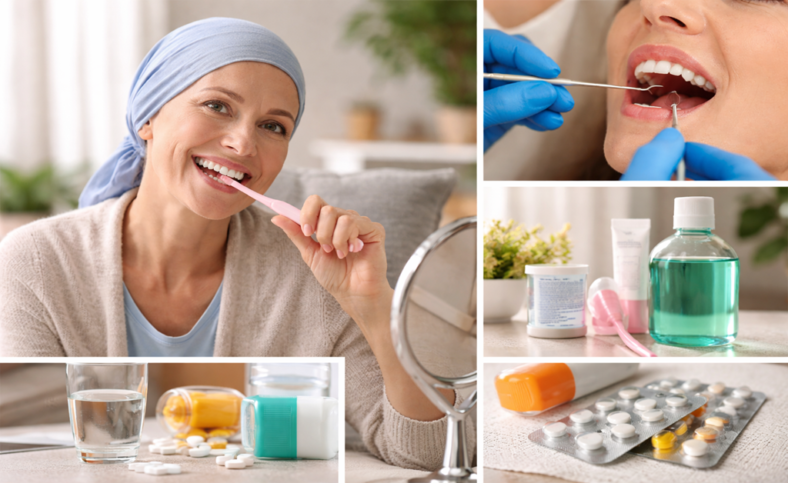
Most cancer patients experience a mental struggle due to fear and body image issues. Chemotherapy is a way to combat cancer cells and extends the lifespan. But, do you know that this treatment can affect your smile’s beauty? Although chemotherapy treats cancer, it often leads to oral health issues.

Drugs used for chemotherapy kill cancer cells, including the normal cells in your mouth. That is why you may have gum and teeth problems during therapy. Only proper care can restore your dental health and prevent side effects.

Chemotherapy And Oral Health – Understand The Relationship

Chemo is a proven cancer treatment that causes a few adverse effects. Medications (such as doxorubicin and methotrexate) lead to oral issues like infections and ulcers.

Chemotherapy drugs weaken your immunity and delay oral cell regeneration. You may experience tooth decay with ongoing cancer treatment. However, these are short-term side effects, which can be managed with oral hygiene maintenance.

Moreover, chemo drugs affect the bacterial balance in your oral cavity. Infections can make your teeth condition worse during chemotherapy. Stains and grooves on your enamel surface affect your teeth’s aesthetics. Problems like cavities will become more complex as you take chemotherapy drugs.

Other oral complications of cancer patients undergoing chemotherapy are:

  • Bleeding gum
  • Sore gum and teeth
  • Numb lips
  • Mucositis
  • Loss of tissues
  • Infections
  • Stiff jaws
  • Difficulty swallowing

Cancer patients with dental aligners during chemo treatment also experience several challenges. They have a risk of experiencing fungal infection, known as candidiasis. It affects their tastes and causes a painful sensation. You need to use an antifungal rinse to soak the dental accessories. It is better to contact a nearby invisible dental aligners dentist to get more advice.

Dry mouth is another side effect of chemo drugs, as the medication reduces saliva. Bad bacteria find a favorable condition to flourish quickly. You should drink more water to moisten the cavity.

Oral Health Management Tips During Chemotherapy

When undergoing cancer treatment, you must care for your dental health. A few tips will help you avoid potential side effects:

  • Gentle flossing – Some cancer patients experience chemotherapy-induced vomiting that causes stomach acids to interact with their teeth. To avoid enamel erosion, floss your mouth properly. You can also use a water flosser, which is safe for your sensitive gums.
  • Rinse your mouth – Your mouth needs to be rinsed multiple times with a saline solution. It gives a soothing sensation to your gum.
  • Manage dry mouth – Reduced saliva production can lead to tooth decay. Dry mouth is, however, manageable by using saliva substitutes.
  • Have nutrient-rich meal – Nutritious food will help you fight against infections and oral mucositis. 

Conclusion

Your gums and teeth are vulnerable to chemo for cancer treatment. That is why they need extra care during their chemotherapy. You can consult a certified dentist and discuss your chemotherapy medicines. The expert will assess your oral health condition and recommend the best care. So, schedule your appointment in a local dental clinic to avoid your dental concerns.

5 Common Pet Stains and How to Remove Them Naturally

Your pets’ companionship creates the most memorable moments in your life. But, how do you feel when cleaning their messes? Although furry creatures look adorable, they cause a mess often. Muddy paw prints and occasional mystery stains are major concerns for pet parents. These stains are not merely about aesthetic issues in your room. They carry bacteria and odour that may persist for several weeks. 

So, you must not delay cleaning the surface to maintain a fresh environment. Let us discuss the ways to remove five stains left by most pets.

Urine Stains

Urine is the main factor causing persistent pet odours and stains on your upholstery. Pets with urinary tract infections and incontinence urinate in the indoor area. Without timely measures, your upholstery fabrics will lose their colours and emit an unpleasant smell. But, how will you get rid of urine stains?

  • Blot a towel for a quick absorption of the liquid.
  • Apply an enzymatic cleaning spray to the affected area.
  • Let the formula work for around 10 minutes.

Faeces

Your dog may poop on your carpet and leave stains. When not clean, the faecal matter also spreads bacteria. As the biological matter contains bacteria, the carpet needs thorough disinfection. Thus, after cleaning the area, apply a disinfecting spray.

Check the steps for removing faecal stains from your floor:

  • Lift away the animal waste using a paper.
  • Apply a cleaning solution.
  • Add hydrogen peroxide to the stained area to find the desired result.

Vomit

The acidic content in your pet’s vomit is high that can cause discolouration on your fabrics. Thus, it is challenging to eliminate stains caused by the vomit. Find a few tips below for managing the mess and preventing stains.

  • Use baking soda to manage the stains caused by the vomit.
  • Clean the stained part with a vinegar solution.

Saliva 

Your pet’s saliva can leave stubborn spots when not removed efficiently. Dogs especially have a habit of drooling that leaves a stain on the floor surface. You can choose the saliva stain remover based on the floor type.

A wooden surface can be treated with a solution of white vinegar. But, an enzymatic cleaner also removes stains from softer surfaces.

For tiled stones on the floor, apply washing soda to the surface.

Blood

In case your pets have become injured, blood drips onto the floor. The exposure of blood to heat causes hardening of the substance, which is not easily removable. There are some ways to manage blood stains on the surface.

  • Take a wet cloth and dab the area gently.
  • A dry washcloth also allows you to dislodge stains when they get dry.

Conclusion

Your pets can leave different stains on the upholstery and floor. Enzymatic cleaners and simple natural solutions remove these unpleasant spots from the surface.

But, always take quick action to avoid challenges in eliminating stains. Make sure you have purchased green cleaners that are safe for pets! 

3 on 6 Dental Implants in Oklahoma City: The Modern Alternative to Dentures

Having a set of dentures can mean experiencing daily issues, such as slipping and a clicking noise. These artificial teeth also need regular maintenance to avoid gum irritation and bad breath. 

So, are you looking for a better alternative to replace your lost teeth? Many dentists now recommend using 3-on-6 implants to restore your teeth and ensure a long-lasting value. These modern implants are more natural-looking and reliable, eliminating the need for frequent adjustments.

Traditional Dentures for Lost Teeth and Their Limitations

The loss of a single or multiple teeth can affect your self-esteem and appearance. Small gaps between teeth lead to aesthetic concerns for most people. This problem also causes a shift in the remaining teeth and increases the risk of misalignment.

Traditionally, dentures are used as removable appliances to replace missing teeth. Although they restore your full smile, dentures have a few limitations. They do not remain stable, especially when you speak or eat. Also, pressure on your gums may cause sore spots and irritation.

Why Are 3-On-6 Implants a Better Choice?

3-on-6 dental implants in Oklahoma City are a modern solution for replacing your full-arch teeth. Thus, if you need full-arch tooth replacement, choose these implants. Implants will hold separate dental bridges, preventing movement and other issues. You will have a better chewing ability if you wear dental implants.

Let us discuss why most people prefer 3-on-6 dental implants over dentures:

Stability and Comfort

Dentures need messy adhesives and rub against gums. On the contrary, 3-on-6 implants are anchored firmly to your jaw, allowing you to eat and talk comfortably.

Natural Look

The bridges that are sustained by dental implants are designed to match your original teeth. No acrylic is used to cover the roof of your mouth.

Better Oral Health

Your dentist will place the implants directly in your jawbone, so there will be no issue with bone growth. On the other hand, continuous use of dentures may lead to bone loss.

Affordability

Although dentures are cheaper, they need frequent replacements. Modern 3-on-6 implants will provide a lasting value and secure your confident smile for years.

Minimal Maintenance

Once your dentist places 3-on-6 dental implants for your missing teeth, they need minimal maintenance. You do not need to remove them daily for cleaning. Thus, there will be no hassle with your oral hygiene routine.

These are the major reasons for choosing 3-on-6 dental implants in Oklahoma City. When you approach your dentist for missing tooth replacement, they will assess your oral health and bone density. They check every detail using 3D imaging techniques and make an informed decision. The dentist will use local anesthesia to place the implants in your jawbone.

All in All 

Traditional dentures are not the only solution for your missing teeth and dental misalignment. 3-on-6 implants are a strong alternative that restores your teeth’s natural beauty. The innovative treatment option will restore your freedom to eat and live without worry.

Schedule your appointment with a dentist and have the best treatment for your missing tooth. Dental implants will transform your smile and improve your confidence! 

Does Healthy Hair Indicate Good Health?

There’s an old tale that suggests our general health is indicated in our hair. Many individuals feel the body below is just as fit when the strands glow with vitality and strength. However, is this idea right? Knowing how general health and hair health are related will enable us to better look after ourselves and remain in top condition. 

The Science Behind Hair Health

The oxygen and nutrients are what sustains hair follicle growth. Iron and zinc minerals and vitamins (A, C, D and E) are highly essential in keeping healthy, strong, and shiny hair. In cases where you lack these nutrients in your body in sufficient quantities, the hair may become dry, brittle, or even fall out. Accordingly, health (your body) is at times visible in hair (the status of your head).

Factors Affecting Hair Beyond Health

Nutrition, health, and external variables affect hair. Irrespective of a man’s inside condition, strong chemicals, heat, or pollution will damage his hair. Individual hormonal balance and stress levels might affect hair density. Thus, healthy hair does not always indicate health, and poor hair does not always indicate illness.

Hair as a Cue to Underlying Conditions

Changes in hair quality can indicate health issues. Patchy baldness may be caused by autoimmune diseases, and thin hair may also be caused by thyroid-related issues. When you experience sudden hair changes, a new texture, or different pattern of growth, it is advised to consult with a medical professional. The prompt identification of such problems through these symptoms might result in quick treatment and better health outcomes.

Caring for Hair and Health Simultaneously

Healthy hair needs a holistic approach. An enriched diet containing the right number of various vitamins and nutrients will prove beneficial to general health and hair. Physical exercise boosts the blood supply to your arterial system, which is a benefit to your hair follicles. Lastly, to have healthy hair, it will be necessary to protect the hair from heat and chemicals. Visiting your go-to barbershop in Scottsdale will ensure that you have the best advice and service for your needs of hair care and grooming.

The Role of Genetics and Aging

Your hair type and lifespan are much influenced by genetics. Some individuals’ hair is thick and strong by nature; others may struggle with their hair, even if they possess an excellent health. Your hair gets thin and changes color in old age. Knowing these things will enable you to underline the importance of being healthy instead of flawless and hence, set realistic expectations accordingly.

Hair Health as Part of a Bigger Picture

Your hair is just one component of your general health. Though it can offer you hints, it shouldn’t be your only indicator of health. A thorough health evaluation, including nutrition, lifestyle, and medical checks can give you a better picture. Improving the quality of your hair naturally comes from firstly dealing with your overall health, which ultimately results in better hair. 

Healthy hair does not come from a process, but comes from good nutrition as well as wellness. Style, care and maintenance can only help with making your hair and body healthy. Vitality depends on hair care, stress management, and a good diet. Own your health right away and let your hair represent strength and vitality that lasts.

Family Healthcare: Nurturing Healthier Lifestyles and Cancer Prevention

When it comes to family, health is a primary concern, and in today’s fast-paced life, family healthcare has taken center stage. Balancing the stresses of work, school, and social life can sometimes result in health taking a backseat. However, it’s key to remember that prevention is better than cure, especially with health matters. Proper attention to family healthcare and conscientious steps toward cancer prevention can significantly boost your family’s overall wellness.

Importance of Family Healthcare

Family healthcare is a comprehensive approach to health that aims to maintain and improve the health of your family members across their lifespan. It involves healthy eating, regular physical activity, timely check-ups and vaccinations, stress management, and ensuring a safe and healthy living environment.

Family healthcare is not just about treating diseases; it also emphasizes prevention, early detection, and managing chronic illnesses effectively. Being familiar with your family’s medical history is an essential part of this, as it can give your healthcare provider valuable context for your family’s health situation.

Healthy Lifestyle and Diet

One of the most basic and important aspects of family healthcare is adopting a healthy lifestyle and diet. Consuming nutrient-rich foods not only provides energy for everyday activities, but can also boost immunity and lower risks of developing chronic diseases, like heart disease, diabetes, and cancer.

The emphasis should be on whole foods like fruits, vegetables, whole grains, lean meats, and dairy, whilst avoiding processed foods high in sugars, unhealthy fats, and sodium. Caloric intake should align with physical activity levels to prevent unhealthy weight gain, and regular exercise is vital.

Physical Activity

The World Health Organization (WHO) recommends at least 150 minutes of moderate-intensity or 75 minutes of vigorous-intensity physical activity per week for adults, and an hour a day for children and adolescents. Physical activity strengthens the heart, improves circulation, and reduces the risk of various diseases, including several types of cancer. Additionally, it can also help manage weight and reduce stress, which further contribute to healthy living and cancer prevention.

Regular Health Check-ups and Vaccinations

Routine check-ups help in early detection of potential health issues and can make a significant difference in the outcome. Vaccinations, meanwhile, are essential for preventing various diseases. Ensure all your family members are up-to-date with their recommended vaccines. Healthcare professionals can provide a vaccination schedule, which aligns with age, overall health, and previous vaccination history.

Stress Management: Emotional and Mental Health

Modern life can be stressful, leading to a variety of health issues including high blood pressure, heart disease, and even cancer. Therefore, part of family healthcare involves proper stress management strategies. Encourage regular downtime for relaxation, and consider techniques like meditation, yoga, or mindfulness practices.

Maintaining emotional health involves nurturing supportive relationships, expressing feelings constructively, and seeking professional help when overwhelmed. Supporting mental and emotional health is a significant step towards achieving overall family healthcare.

Early Detection and Cancer Prevention

Cancer prevention is a critical component of family healthcare. Lifestyle modifications like smoking cessation, a healthy diet, regular exercise, and sun protection can significantly contribute to cancer prevention.

Early detection plays a key role in improving cancer survival rates. Regular screenings and self-examinations can lead to early diagnosis, even before symptoms appear. Regular HPV and Hepatitis B vaccines can prevent certain cancers. Discuss with your doctor about risk factors and screening options.

Conclusion

Adopting prioritized family healthcare routines contributes to a healthier and potentially longer lifetime. Interventions that promote healthy lifestyle adoption, cancer prevention, and regular healthcare engagement can greatly contribute to overall family wellness.

The health of your family depends on your collective lifestyle choices. Make choices today that will benefit you and your loved ones for years to come. Always remember that family healthcare isn’t a one-time decision, but an ongoing commitment to wellbeing and cancer prevention. It’s a proactive, lifelong commitment to your family’s health and happiness.

Empowering Healthier Lives: Making the Most of Family Healthcare and Cancer Prevention

Family healthcare has become an increasingly important topic in recent years, particularly as the ongoing global events have driven communities to place an amplified focus on overall health and well-being. However, it isn’t only during pandemics and global crises that family health should take center stage. Instead, understanding and managing family healthcare and employing proactive measures for diseases like cancer should form a cornerstone of our everyday lives.

In this post, we’ll delve into several aspects of family healthcare, encompassing prevention, health awareness, and lifestyle changes. We’ll explore how these strategies can shape a healthier present and future for your family, particularly in the realm of cancer prevention.

A Deeper Understanding of Family Healthcare

Family healthcare, at its essence, revolves around the comprehensive care and well-being of all family members, from infants to elders. It integrates a broad scope of elements – from proper nutrition and regular exercise to regular medical check-ups, mental health care, and preventive measures against diseases.

The goal of family healthcare is to cultivate a healthy lifestyle that prevents disease, manages existing conditions, and enhances the quality of life for all family members.

The Importance of Prevention in Family Healthcare

Many health issues, including some forms of cancer, are preventable or easier to treat when detected early. Therefore, integrating preventive measures and screenings into your family healthcare plan is critical in multilayered wellness efforts.

1. Regular Medical Check-ups and Screening Tests

Ensuring regular medical visits for all family members is crucial. Regular check-ups often include age and health-specific screening tests, which can catch the early signs of health issues and nip them in the bud.

In terms of cancer prevention, screenings like mammograms, pap smears, colonoscopies, or skin examinations can help detect cancer in its early stages, significantly increasing the effectiveness of treatments and survival rates.

2. Vaccinations

Various types of cancer are linked to viral infections that can be prevented with vaccines. For instance, the Human Papillomavirus (HPV) vaccine can protect against the strain of the virus most often associated with certain types of cancers, such as cervical, anal, and other genital cancers.

Implementing Healthier Lifestyle Habits

Lifestyle habits play a significant role in health, including the risk of developing many types of cancer.

1. Maintaining a Healthy and Balanced Diet

Incorporate a wealth of fruits, vegetables, lean proteins, and whole grains into your family’s diet. Meanwhile, limit the intake of processed foods and those high in sugar, sodium, and bad fats. Consuming a well-balanced diet can lower the risk of certain cancers, such as breast, colon, and lung cancer.

2. Regular Physical Activity

A sedentary lifestyle elevates the risk of numerous health conditions, including certain types of cancer. Encourage regular exercise in your family, whether it’s playing a sport, walking, cycling, or practicing yoga. The key is to stay active and keep moving.

3. Avoid Risk Factors

Certain substances or exposure can increase the risk of developing cancer. Examples include tobacco, excessive alcohol, and prolonged and unprotected exposure to the sun. Educating your family members about these risks and encouraging safe practices can help reduce the risk of cancer.

In Conclusion: Empowerment Through Awareness

Understanding family healthcare and embracing preventive strategies, including those related to cancer, can empower individuals and families to make informed decisions promoting their health. Four major components – preventive measures, screening tests, healthier lifestyle habits, and knowledge of risk factors – can significantly contribute to overall health and greatly reduce your family’s risk of cancer.

However, remember that it’s important to maintain open communication with your healthcare provider. Inform them about your family health history and any current health concerns. By having these discussions, your healthcare provider can help you customize your healthcare strategies and preventive measures, ensuring optimal health and well-being for your family.

The journey toward healthier lives won’t happen overnight. Start making conscious choices today and inspire your family to do the same – because ultimately, your family’s health is an invaluable investment in a brighter, healthier future. Let’s make family healthcare a priority now, for the more secure, healthier tomorrows we all deserve.

Advocating for Family Healthcare and Cancer Prevention: The Path to a Healthier Life

Proper awareness and understanding of family healthcare and cancer prevention are two cornerstones of maintaining overall health in our daily lives. The constant acceleration of technology and the volume of information available to us can often seem overwhelming, but it also presents an opportunity. This resource abundance offers families a chance to grasp, learn, and implement essential health strategies, which can significantly optimize long-term health.

Understanding Family Healthcare: An Overview

Family healthcare revolves around treating and preventing ailments that concern individuals and their entire family. It encompasses all ages, both sexes, each organ system, and every disease entity. The fostering of continued and extensive patient-doctor relationships is a defining attribute of family healthcare. However, such encompassing care is not to be mistaken as a one-stop shop for all medical needs. Rather, it is a system that aims to be the steward of the complete health of your entire family.

The Centrality of Preventive Care

Prevention, in this context, entails measures taken to prevent diseases or injuries rather than curing them or treating their symptoms. The great Chinese general Sun Tzu once said, “The supreme art of war is to subdue the enemy without fighting,” and this wisdom accurately applies to a family’s health strategy. Preventive care allows us to conquer potential health risks without the upheaval that accompanies them.

Preventive care includes activities such as continuous education on health-related issues, vaccination, regular check-ups, and screenings. These measures may seem mundane and not particularly urgent, but they are activities with a far-reaching impact. They empower us to catch potential problems early and manage them effectively.

Emphasizing Cancer Prevention and Early Detection

Cancer can be a frightening topic for many. However, acknowledging the specter of cancer is necessary and can be a critical motivator in following through with preventive healthcare strategies.

Indeed, in many ways, cancer prevention epitomizes the essence of preventive care. Regular health screenings such as mammograms and colonoscopies can detect early signs of cancer. Detection at early stages drastically simplifies treatment processes and massively improves the prognosis. However, aside from medical check-ups, there are precise lifestyle changes families can adopt, which significantly reduces the risk of cancer.

Healthy Lifestyle: Foundation of Cancer Prevention

It might come as a surprise that the lifestyle choices you make, ranging from your dinner plate to your workout regimen, can directly impact your chances of contracting cancer. Here are a few tips that you and your family members can incorporate to reduce the risk of cancer:

  1. Quit Smoking and Limit Alcohol: Tobacco and alcohol are proven carcinogens. Quitting smoking as soon as possible and limiting alcohol can significantly reduce the risk of various types of cancer, including lung, mouth, throat, pancreas, and kidney cancer.

  2. Healthy Eating: Consuming a diet rich in fruits and vegetables while minimizing processed foods can significantly decrease your cancer risk. Also, limiting red meat, particularly processed meats, can help maintain a healthy lifestyle.

  3. Physical Activity: Regular physical activity can help you maintain a healthy weight, which reduces your risk of various types of cancer.

  4. Regular Check-ups and Vaccinations: Regular health check-ups and vaccinations are critical in detecting any potential threats at an early stage, making them easier to manage. Vaccinations, like the HPV and Hepatitis B vaccines, can directly prevent types of cancers related to these viruses.

A Holistic Approach towards a Healthier Life

Health is a comprehensive entity. It’s not just the absence of disease; it’s the overall mental and physical well-being where every aspect of our lives comes into focus. Having clear conversations about mental health, incorporating regular exercise, eating nutritious food, avoiding harmful habits, and following through with immunizations and check-ups are simple acts. But they have a compounding effect, leading to a healthier, more fulfilling life.

Milestones in life, whether it’s our child’s first step or our grandparents’ golden anniversary, are cherished memories. By investing time and effort in preventive care for our families, we are not merely otherworldly pursuing the elixir of eternal life. We are taking concrete, practical steps towards ensuring that we are present for the milestones to come.

Ensuring the health of our loved ones and ourselves is the ultimate act of care. And while we cannot expect to completely eliminate health challenges from our lives, steps taken towards prevention, early detection, and treatment can significantly reduce their impact. So, let’s make a pact – a pact towards family healthcare and cancer prevention, one that will guide our families towards a healthier life.

A Comprehensive Guide to Family Healthcare and Cancer Prevention

Family healthcare can often be an intimidating topic. The vastness of issues it encompasses – from child health to the elderly and the daily wellness of all family members – is exceptional. Health can be our most profound blessing or a stark reminder of our fragility, but knowledge can often be our strongest asset in this fight. In this article, we will dive deep into the world of family healthcare and cancer prevention, arming you with the information and tips to guide your family to leading healthier lives.

Understanding Family Healthcare

Family healthcare is not just about treating illness and injury, but also about preventive care, promoting health, and continually improving the quality of life. It doesn’t merely focus on individual health; instead, it is holistic, considering the health of the entire family unit.

One: Providing a Constant Healthcare Companion

A family healthcare provider will monitor your family’s health as it changes over time. They watch out for patterns or trends that may indicate potential health issues, and they’re usually the first to notice when a family member is exhibiting signs of a health condition.

Two: Promoting Preventive Care and Early Detection

Family healthcare also includes preventive measures such as immunizations, annual check-ups, preventive screenings and tests. Early detection of conditions, including cancer, can drastically improve survival rates and quality of life.

Cancer Prevention in Family Healthcare

An essential aspect of family healthcare is cancer prevention. This isn’t only achieved through regular screenings and awareness of symptoms, but also by leading a healthy lifestyle, which, according to research, can prevent up to half of all cancers.

Three: Adopting Healthy Lifestyle Habits

A significant portion of cancer prevention stems from adopting healthier lifestyle habits. This means maintaining a balanced diet, engaging in regular physical activity, maintaining a healthy weight, limiting alcohol intake, and avoiding tobacco.

Four: Regular Screenings and Genetic Testing

It’s important to remember that some cancers are hereditary, which is why regular screenings and genetic testing become crucial. If someone in your family has had a certain type of cancer, other family members at risk may want to discuss genetic testing with their healthcare providers.

Turning Knowledge into Action

Now that we’ve discussed what family healthcare entails and some primary ways to focus on cancer prevention through healthy living, it’s time to turn this understanding into action.

Five: Choose a Healthcare Provider

Selecting a proper healthcare provider is the first step. Providers should have a solid understanding of family healthcare needs, the ability to monitor health through different life stages, and be capable of providing early detection and prevention services for cancer.

Six: Implement Healthy Lifestyle Choices

Make this knowledge work for you and your family. Start by implementing healthy lifestyle choices. Encourage fitness activities as a family, diversify your diets with fruits, vegetables, and lean proteins, and limit your family’s exposure to tobacco smoke and excessive alcohol.

Seven: Regular Health Check-ups

Prioritize regular health check-ups, including routine vaccinations, screenings, and eye exams. Discuss family health history with your provider and schedule appropriate cancer screenings, such as mammograms or colonoscopies, as advised.

Navigating the Future of Family Healthcare

The vast nature of family healthcare can be overwhelming, but the benefits in longevity and improved quality of life are powerful motivators to guide us in the long run. Health should be a priority in every family. Navigating medical conversations, implementing lifestyle changes, and vigilantly adhering to regular check-ups are necessities that can reap infinite mental and physical rewards.

Cancer prevention is within reach with a compact understanding of its origin and the preventive steps that can be undertaken. Turning knowledge into action is our armor in the relentless fight of living, breathing and thriving. With the roadmap of family healthcare and cancer prevention with us, we journey forth in the dire hope of healthier lives for our families.

Family Healthcare: Top Strategies for a Healthier Family and Cancer Prevention

Introduction

A family that prioritizes its health prospers in many aspects of life. Solidifying a culture of wellness within each member offers a holistic approach to family healthcare. This involves a shift in focus from treating illnesses to fostering a lifestyle of wellness and disease prevention.

In light of World Cancer Day, we are reminded that the fight against this malignant disease begins at home. A healthier lifestyle can be a fortress against most chronic diseases, including cancer. This blog aims to provide you with information on how to foster a health-embracing culture for a healthier family and specifically, on strategies for cancer prevention within the family context.

The Importance of Family Health

Before delving into specifics, it’s essential to understand why family health should be at the forefront of our health objectives. A family forms the fundamental social structure, with each member heavily influenced by one another. Each member’s health affects the overall well-being of the family.

Equally, investing in family health means catching and addressing diseases early. Early detection often maximizes the chances of successful disease treatment and decreases the severity of some conditions. Underpinning all these, however, is the vital role family plays in shaping health behaviors, affecting illness management, and supporting recovery.

Adapting Healthier Lifestyles

When it comes to family healthcare and wellness, commitment and consistency are key. Here are some notable points to consider in making this family health-cultural shift:

Balanced Diet and Regular Exercise

It cannot be overstressed – a well-balanced diet is crucial in maintaining good health. A diet rich in fruits, vegetables, lean protein, fiber, and low in saturated fat, sugar, and sodium contributes significantly to overall health.

Regular exercise is another pillar in supporting healthy living. Aside from keeping you physically fit, exercise also plays a significant role in mental health, providing stress relief and improved sleep quality.

Regular Check-ups and Screenings

Regular medical check-ups are another effective measure to maintain good health. These scheduled visits to the doctor allow early detection of health problems, making treatments more manageable and less intensive. Moreover, regular screenings can identify family health risks, which aids future prevention strategies.

Mental Health

The mental health of all family members is a vital component of family healthcare. Encouraging open discussions around how everyone feels and coping strategies for stress reduces the onset of mental health disorders and strengthens familial bonds.

Regarding cancer prevention, timely and regular mental health check-ups can help manage the stress and anxiety associated with the disease and its risk factors.

Limit Alcohol, Avoid Tobacco

Regular alcohol consumption and tobacco use are heavy contributors to various cancers, among other health issues. Reducing alcohol consumption, coupled with complete abstinence from tobacco, significantly reduces your family’s risk of contracting various forms of cancer.

Towards Cancer Prevention

Cancer prevention isn’t just about proxy war via adopting healthier lifestyles; some direct strategies and individual responsibilities specific to cancer prevention include:

Cancer Awareness and Education

Understanding different types of cancer, their early symptoms, and risk factors, is essential in cancer prevention. Knowledge is the first step towards action, especially when it comes to adapting to behaviors that minimize the likelihood of cancer.

Vaccination

Certain types of cancer, such as cervical cancer and liver cancer, can be prevented through vaccination. Hepatitis B vaccine and Human Papilloma Virus (HPV) vaccine are examples respectively. Vaccination is a practical and safe way to provide immunity against certain cancers.

Sun Protection

Too much sun exposure is a known factor for skin cancer, including melanoma. Appropriate clothing, sunscreen, and limited sun exposure – especially in peak times – can keep harmful rays at bay.

Conclusion

Every family’s goal should be to cultivate an environment where healthy habits become the norm and adopting healthier choices becomes effortless. Investing time and effort into family healthcare – with an emphasis on cancer prevention – will yield fruitful results for everyone in the family.

Family healthcare isn’t just about illness and recovery; it’s about bonding, educating, and growing together as a family unit. A healthier family is indeed a happier family, and as the saying goes – health is indeed wealth. Take the lead today and steer your family on the path to a healthier and vibrant lifestyle.