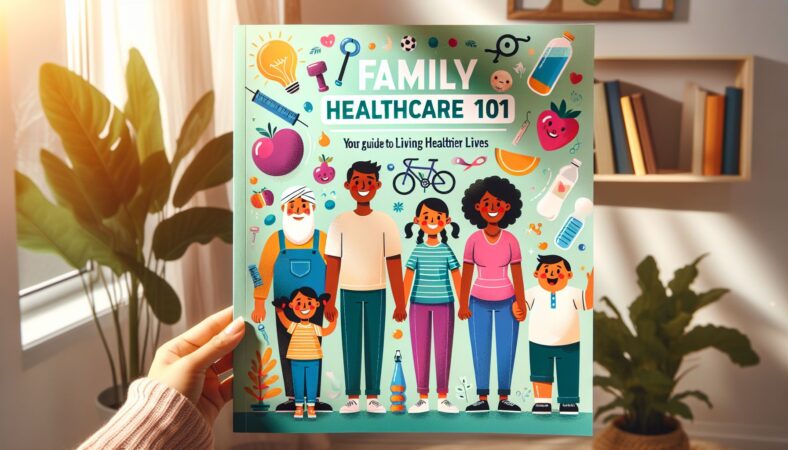
The journey to good health starts at home. As a family, our shared meals, activities, and habits significantly impact our well-being. Making smarter decisions can aid us in leading healthier lives and reducing the risk of illnesses like cardiovascular diseases and cancer. Today we steer you through family healthcare basics and offer practical advice on embracing a wholesome lifestyle conducive to preventative care.
Understanding Family Healthcare
Family healthcare, in its essence, focuses on the wholesome health of every family member, irrespective of their age. It encompasses everything from prenatal care to geriatric health. This holistic approach enables healthcare providers to acknowledge family history, lifestyle choices, and environmental elements that can influence an individual’s well-being.
Healthcare providers view the family unit as not just a group of individuals but as an interconnected system. Family health assessments are a common part of regular checkups and forms the groundwork for personalized preventive care plans. Effective family healthcare requires a proactive approach that emphasizes prevention over cure, focusing on healthy living, balanced nutrition, and regular activity.
Steps Towards a Healthier Family Lifestyle
Adapting to healthier habits doesn’t have to be an uphill struggle. Little changes, when accumulated, can lead to significant improvements.
Balanced Diet and Nutrition
The first step towards a healthier family is emphasizing a well-balanced diet. Ensure that your family’s meals are rich in fruits, vegetables, lean meats, low-fat dairy, and whole grains. Besides providing vital nutrients, a balanced diet reduces the risk of chronic diseases, such as heart disease and cancer.
Regular Physical Activity
Regular activity is critical to supporting a healthy lifestyle. Whether through sports, jogging, or even brisk walks, daily exercise helps maintain body weight and blood pressure, ensuring overall health. Try to incorporate at least 30 minutes of moderate activity for adults and 60 minutes for children each day.
Adequate Rest
Adequate sleep and rest are as vital as nutrition and exercise. Poor sleep patterns can lead to an array of health issues, like diabetes, obesity, and even cancer. Encouraging proper sleep routines for children and adults alike is crucial to a healthy lifestyle.
Regular Medical Check-ups
Regular health check-ups are a cornerstone of family healthcare. These appointments allow your healthcare provider to detect any potential health issues while they’re still manageable and before they develop into severe problems.
Cancer Prevention: A Proactive Approach
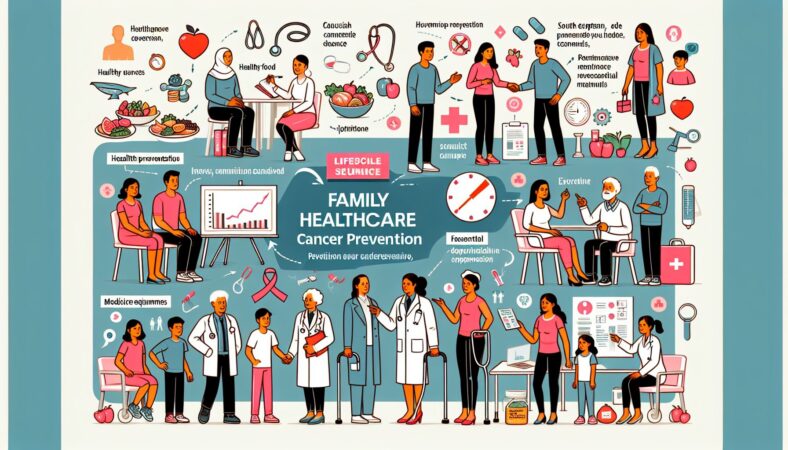
Cancer, a leading cause of death worldwide, warrants a special focus. Many cancer types can be prevented or detected early through lifestyle modifications and regular screenings. While family healthcare is key to overall well-being, embedding cancer prevention strategies can significantly reduce risk factors.
Tobacco and Alcohol: Quit Now
Tobacco and alcohol are among the top contributors to cancer. Quitting tobacco, limiting alcohol, and avoiding second-hand smoke are critical cancer prevention strategies that you should adopt for your family’s well-being.
Sun and Carcinogens: Be Aware
The threat of carcinogens is not limited to tobacco and alcohol. Protecting your family from harmful UV rays and other environmental carcinogens can also significantly reduce cancer risks.
Cancer Screening: Catch it Early
Regular cancer screenings can detect early signs, often before symptoms arise, and when treatment is likely to be most effective. Speak to your healthcare provider about appropriate screenings based on your family’s medical history.
Conclusion
Family healthcare, with its broad and preventive approach, offers a pathway to a healthier, more fulfilling life. Embrace a balanced lifestyle incorporating nutritious eating, regular exercise, adequate sleep, and medical check-ups. Practice these strategies diligently, and remember, the path to good health is a marathon, not a sprint. By incorporating preventive strategies like cancer screenings and avoiding harmful substances, you can establish a robust shield against cancer.
Family healthcare is not a standalone task but a collective effort. In making these healthy choices today, you are not only safeguarding your well-being but also setting an example for future generations to keep the family tree flourishing.