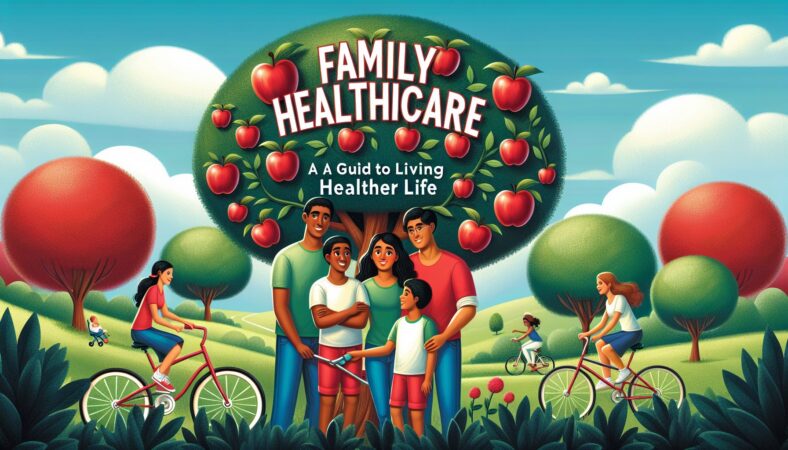
As families grow and evolve, it becomes increasingly important to prioritize health and well-being. By adopting healthy habits and making informed choices, families can work together to prevent illness and promote overall wellness. In this article, we will explore the importance of family healthcare and provide tips on how families can live healthier lives.
The Importance of Family Healthcare
Family healthcare is essential for promoting the well-being of all family members. By incorporating healthy habits into daily routines, families can reduce the risk of developing chronic diseases and improve overall quality of life. Additionally, family healthcare can help to strengthen bonds between family members and create a supportive environment for each individual’s health journey.
Tips for Living a Healthier Life
-
Eat a Balanced Diet: A healthy diet is crucial for maintaining overall health and preventing illness. Encourage your family to eat a variety of fruits, vegetables, whole grains, and lean proteins. Limit the intake of processed foods, sugary drinks, and high-fat foods to reduce the risk of obesity, heart disease, and other chronic conditions.
-
Exercise Regularly: Physical activity is an important component of a healthy lifestyle. Encourage your family to engage in regular exercise, such as walking, cycling, swimming, or playing sports. Aim for at least 30 minutes of moderate-intensity exercise each day to promote cardiovascular health, maintain a healthy weight, and reduce the risk of chronic diseases.
-
Get Regular Check-Ups: Routine check-ups with a healthcare provider are essential for monitoring your family’s health and identifying any potential issues early on. Schedule annual physical exams, vaccinations, and screenings as recommended by your healthcare provider to ensure that everyone is in optimal health.
-
Practice Good Hygiene: Maintaining good hygiene habits is crucial for preventing the spread of illness and infections. Encourage your family to wash their hands regularly, cover their mouths when coughing or sneezing, and avoid sharing personal items like towels and utensils. These simple habits can help to protect your family’s health and well-being.
-
Promote Mental Health: Mental health is just as important as physical health. Encourage open communication within your family and create a supportive environment where everyone feels comfortable discussing their emotions and seeking help if needed. Practice stress-reducing activities, such as mindfulness, meditation, or yoga, to promote mental well-being for the entire family.
Cancer Prevention
Cancer is a significant health concern that affects millions of families worldwide. While some risk factors for cancer are beyond our control, there are steps that families can take to reduce the risk of developing certain types of cancer. By adopting healthy habits and making informed choices, families can work together to prevent cancer and promote overall wellness.
-
Quit Smoking: Tobacco use is the leading cause of preventable cancer worldwide. Encourage family members who smoke to quit, and create a smoke-free environment for everyone’s health. If necessary, seek support from healthcare providers or smoking cessation programs to successfully quit smoking.
-
Maintain a Healthy Weight: Obesity is a significant risk factor for many types of cancer, including breast, colorectal, and pancreatic cancer. Encourage your family to eat a balanced diet and engage in regular physical activity to maintain a healthy weight and reduce the risk of developing cancer.
-
Protect Against UV Radiation: Skin cancer is one of the most common types of cancer, but it is also highly preventable. Encourage your family to protect their skin from the sun’s harmful UV rays by wearing sunscreen, protective clothing, and seeking shade when outdoors. Avoid indoor tanning beds, which increase the risk of skin cancer.
-
Get Screened Regularly: Early detection is key to successful cancer treatment. Encourage family members to undergo regular cancer screenings, such as mammograms, Pap smears, colonoscopies, and skin checks, as recommended by healthcare providers. These screenings can help to detect cancer at an early stage when it is most treatable.
Conclusion
Family healthcare is essential for promoting the well-being of all family members. By adopting healthy habits, making informed choices, and prioritizing cancer prevention, families can work together to live healthier lives and reduce the risk of developing chronic diseases. By following the tips outlined in this article, families can create a supportive environment for each individual’s health journey and establish a strong foundation for overall wellness. Remember, when it comes to health, prevention is always better than cure.