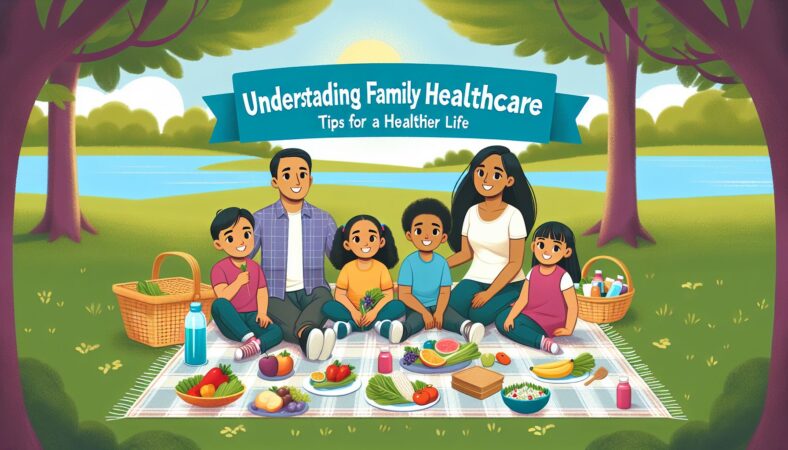
Health is wealth, as the saying goes. And as parents, it’s our responsibility to ensure the health and well-being of our entire family. While genetics play a role in our overall health, lifestyle choices can have a significant impact on our health and the health of our loved ones. In this article, we will explore some tips for living a healthier life as a family, with a focus on preventive healthcare and cancer prevention.
Importance of Family Healthcare
Family healthcare is about more than just scheduling annual check-ups and visiting the doctor when we are sick. It encompasses a holistic approach to health that considers the physical, mental, and emotional well-being of each family member. By prioritizing family healthcare, we can prevent illness, detect health issues early, and improve overall quality of life.
One of the most important aspects of family healthcare is preventive care. Preventive healthcare involves taking steps to prevent illness before it occurs. This can include things like eating a healthy diet, getting regular exercise, practicing good hygiene, and avoiding harmful substances like tobacco and excessive alcohol. Preventive care also includes getting recommended screenings and vaccinations to detect and prevent diseases early.
Tips for Living a Healthier Life
-
Eat a Healthy Diet: A healthy diet is the foundation of good health. Encourage your family to eat a balanced diet rich in fruits, vegetables, whole grains, lean protein, and healthy fats. Limit processed foods, sugary drinks, and foods high in saturated fats and added sugars.
-
Get Regular Exercise: Physical activity is essential for good health. Make exercise a family affair by going for walks or bike rides together, playing sports, or taking a dance class. Aim for at least 30 minutes of moderate-intensity exercise most days of the week.
-
Practice Good Hygiene: Good hygiene practices, such as washing hands frequently, brushing and flossing teeth regularly, and getting recommended vaccinations, can help prevent the spread of illness and keep your family healthy.
-
Avoid Harmful Substances: Tobacco use, excessive alcohol consumption, and illicit drug use can all have serious health consequences. Encourage your family to avoid these harmful substances and seek help if needed.
-
Stay Connected: Strong family relationships and social connections can have a positive impact on health. Make time to connect with your family members regularly, whether it’s through family meals, game nights, or other shared activities.
Cancer Prevention
Cancer is a leading cause of death worldwide, but many cancers can be prevented through lifestyle choices and early detection. Here are some tips for reducing your family’s risk of cancer:
-
Eat a Healthy Diet: A diet high in fruits, vegetables, whole grains, and lean protein can help reduce the risk of certain types of cancer. Limit red and processed meats, sugary drinks, and foods high in fat and added sugars.
-
Maintain a Healthy Weight: Being overweight or obese is a risk factor for many types of cancer. Encourage your family to maintain a healthy weight through a combination of healthy eating and regular exercise.
-
Get Regular Screenings: Regular screenings, such as mammograms for breast cancer and colonoscopies for colorectal cancer, can help detect cancer early when it is most treatable. Talk to your healthcare provider about recommended screenings for your family’s age and risk factors.
-
Avoid Tobacco: Tobacco use is a leading cause of cancer, including lung, throat, and pancreatic cancer. If you or a family member smokes, seek help to quit.
-
Limit Sun Exposure: Skin cancer is one of the most common types of cancer, but it is also one of the most preventable. Encourage your family to use sunscreen, wear protective clothing, and seek shade when outdoors to reduce the risk of skin cancer.
Conclusion
Family healthcare is an essential aspect of living a healthier life. By prioritizing preventive care, making healthy lifestyle choices, and staying informed about cancer prevention, we can protect the health and well-being of our loved ones for years to come. Remember, it’s never too early or too late to start making positive changes for your family’s health. Make family healthcare a priority today!