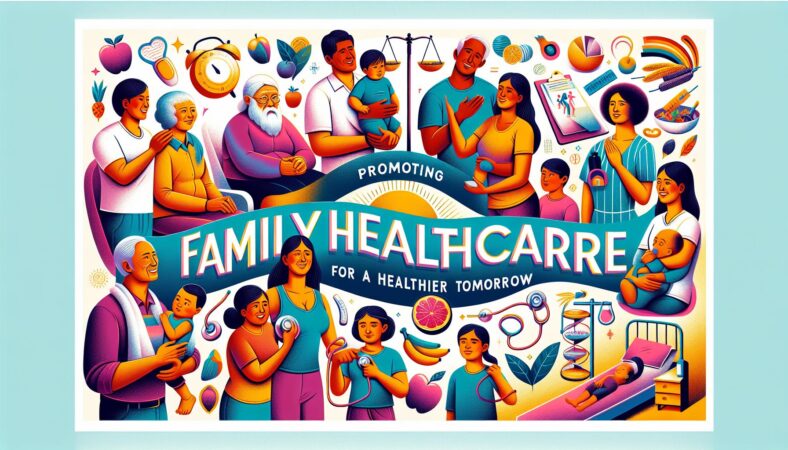
In today’s fast-paced world, it can be challenging to prioritize our health and well-being. However, taking care of our health is crucial not only for ourselves but also for our families. Family healthcare plays a vital role in ensuring that every member of your family leads a healthy and fulfilling life. By taking proactive steps to prevent illness and promote wellness, you can create a strong foundation for a healthier tomorrow.
One of the key components of family healthcare is cancer prevention. Cancer is a pervasive disease that affects millions of individuals each year. However, there are steps that you can take to reduce your risk of developing cancer and protect your family’s health. By incorporating healthy habits into your daily routine, you can minimize your risk of cancer and other chronic diseases.
One of the most effective ways to prevent cancer is by maintaining a healthy lifestyle. This includes eating a balanced diet rich in fruits, vegetables, whole grains, and lean proteins. By fueling your body with nutrient-dense foods, you can boost your immune system and reduce inflammation, which are essential for cancer prevention. Additionally, staying active through regular exercise can help you maintain a healthy weight and reduce your risk of cancer.
Another important aspect of cancer prevention is avoiding harmful substances such as tobacco and excessive alcohol consumption. Tobacco use is a leading cause of cancer and other chronic diseases, so quitting smoking and avoiding secondhand smoke are crucial steps for cancer prevention. Similarly, limiting your alcohol intake can reduce your risk of developing certain types of cancer, such as liver and breast cancer.
In addition to healthy lifestyle habits, it is essential to stay up-to-date with recommended cancer screenings. Regular screenings can help detect cancer at an early stage when treatment is most effective. Depending on your age, gender, and family history, your healthcare provider may recommend screenings such as mammograms, colonoscopies, and skin checks. By scheduling these screenings as recommended, you can take proactive steps to protect your health and prevent cancer.
Beyond cancer prevention, family healthcare involves taking a holistic approach to wellness. This includes addressing both physical and mental health needs for every member of your family. By prioritizing annual check-ups and preventive care, you can catch any potential health issues early and address them before they become more serious.
Mental health is also a crucial component of family healthcare. The demands of everyday life can take a toll on our mental well-being, so it is essential to prioritize self-care and seek help if needed. By destigmatizing mental health issues and promoting open communication within your family, you can create a supportive environment where everyone feels comfortable seeking help when needed.
Family healthcare also involves fostering healthy habits and behaviors in your children from a young age. By modeling healthy eating, exercise, and self-care practices, you can set a positive example for your children to follow. Encouraging your children to get involved in sports, outdoor activities, and other forms of physical exercise can help them develop a lifelong habit of staying active and healthy.
In conclusion, prioritizing family healthcare is essential for promoting a healthier tomorrow for you and your loved ones. By focusing on cancer prevention strategies, maintaining a healthy lifestyle, staying up-to-date with screenings, and addressing both physical and mental health needs, you can create a strong foundation for a lifetime of wellness. By working together as a family to prioritize health and well-being, you can lead by example and inspire each other to live healthier lives. Remember, a healthy family is a happy family!