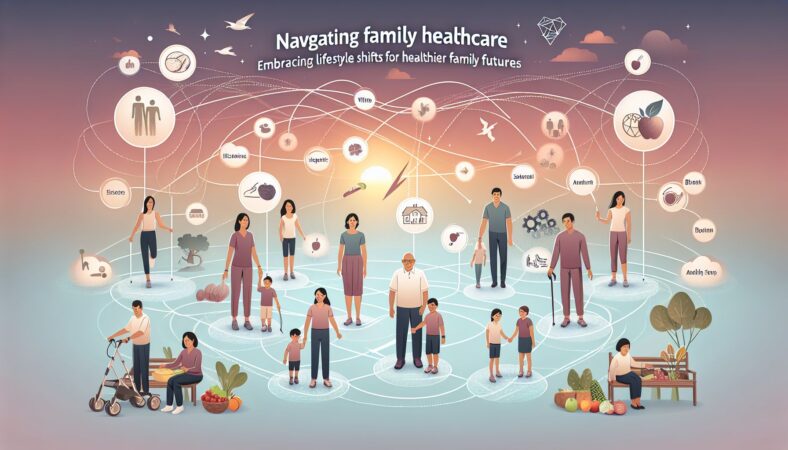
In an age where health is at the forefront of societal consciousness, the importance of understanding and implementing sound family healthcare personally, is greater than ever. However, optimum family health involves more than just yearly check-ups and an occasional visit to the gym. It requires a comprehensive, dedicated approach toward all aspects of well-being. This article illuminates vital strategies for maximizing family health and preventing illnesses, especially cancer, by implementing proactive and preventive healthcare measures.
The Cornerstones of Family Healthcare
Family healthcare functions best when built on strong pillars of preventive care, regular monitoring, healthier lifestyle choices, and early disease detection. Equipping oneself with these principles will not only lead to overall improved health but could aid in preventing or early detecting life-threatening diseases like cancer.
Preventive Care
Preventive care revolves around taking steps to prevent diseases before they manifest or progress. Examples of preventive measures include vaccinations, regular screenings for blood pressure and cholesterol, and mammograms for women of a certain age.
The application of preventive care is also significant in reducing the probability of encountering cancer. On preventive cancer care, the American Cancer Society recommends regular screenings for breast, colon, and cervical cancer, among others. The aim is to detect any cancerous changes as early as possible, increasing the chances of effective treatment.
Regular Monitoring and Annual Check-ups
Monitoring one’s health and booking regular check-ups with medical professionals aid in managing potential health issues. For instance, keeping a close eye on body weight and maintaining it within a healthy range can thwart obesity-related complications.
Annual health checks and regular screenings are important instruments in the early detection of diseases, including cancer. These checks can uncover health issues that might not have shown apparent symptoms and give the advantage of time to respond promptly.
Adopting Better Lifestyle Choices
Lifestyle choices significantly influence health outcomes. Decisions around diet, physical activity, stress management, and avoiding harmful habits like smoking and excessive alcohol consumption, play integral roles in overall health and cancer prevention.
Healthy, balanced diets rich in fruits, vegetables, lean proteins, and whole grains enhance overall health, while physical exercise boosts body strength and mental well-being. At the same time, managing and mitigating stress through methods like yoga, meditation, or counseling sessions leads to better mental health.
Preventing Cancer through Healthy Living
Many types of cancers are caused by factors we can control. Smoking, a sedentary lifestyle, a poor diet, obesity, and excessive alcohol intake often contribute toward developing cancer. Therefore, modifications in lifestyle habits can decrease the risk of cancer substantially.
Dietary Modifications
A balanced diet is instrumental in preventing various illnesses including cancer. Incorporating antioxidant-rich fruits and vegetables, lean proteins, and fiber into daily meals can help ward off numerous diseases. Furthermore, limiting consumption of processed and red meats, reducing salt intake, and regulating the amount of fat in the diet can companion obesity and can significantly lower cancer risks.
Regular Exercise
The World Health Organization recommends at least 150 minutes of moderate-intensity or 75 minutes of vigorous-intensity physical activity each week for adults. Regular exercise helps maintain a healthy weight and can decrease the risk of several types of cancer including breast, colon, uterine, and lung cancers.
Regular Health Check-ups and Screenings
It’s essential to stick to the recommended schedule for medical check-ups and screenings. They are invaluable tools for early cancer detection as most forms of cancer are treatable if detected early. Early detection programs can significantly reduce the mortality rate from cancers such as breast and colorectal cancer.
Conclusion
The journey toward a healthier life often requires a reevaluation of daily habits and lifestyle choices. While it might seem challenging initially, the long-term benefits of adopting a healthier lifestyle far outweigh the momentary discomforts. Integrating the cornerstones of family healthcare – preventive care, regular monitoring, healthier lifestyle choices, and early disease detection – into your daily routine is an excellent strategy for promoting longevity and vitality, while significantly reducing the risks associated with life-threatening diseases like cancer.