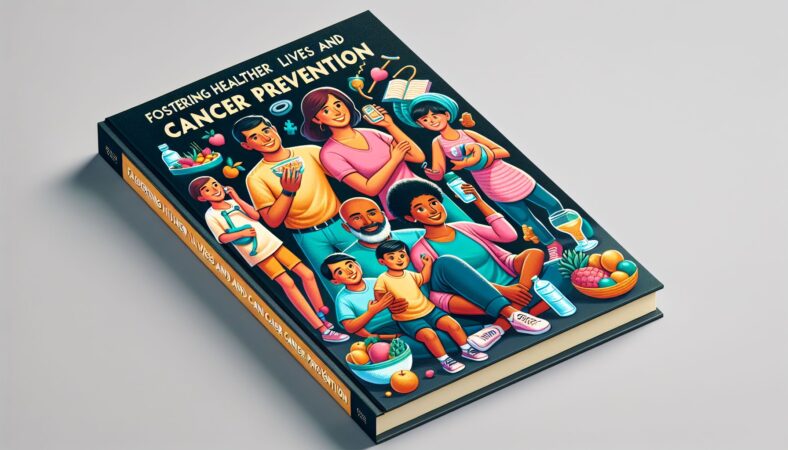
The pride and joy of every family stem from the overall health and wellbeing of its members. Adopting healthy lifestyle habits as individuals and as a family is an integral aspect of family healthcare that often goes overlooked. We’ll explain how to foster healthier lives and how to incorporate elements of cancer prevention in your family wellness plan.
Understanding Family Healthcare
Family healthcare focuses on ensuring that every member of the family, regardless of age, enjoys optimal health. It entails annual check-ups, preventive health services, vaccination, advising on lifestyle modifications, and management of chronic conditions like diabetes and hypertension. It places emphasis on creating a nurturing environment where everyone understands the value of health and is motivated to make healthy choices.
But how can we make active steps towards healthier living? And more importantly, how can we involve young children and the elderly who might not understand the gravity of adopting a healthy lifestyle?
Implementing Healthy Living
Talk is cheap. The real challenge lies in implementing these lifestyle modifications. Here is where the idea of structural change comes in. To promote healthier living, structure your home environment to make healthy choices easy and inevitable.
Diet
One vital sphere that requires attention is diet. Gradually replace high-calorie, processed snacks with fruits and make sure your fridge is always stocked with veggies. Limit soda intake and encourage consumption of plain water, home-made juices, or smoothies. Try to incorporate home-cooked meals in your family routine as much as possible.
Physical Exercise
Another essential element is physical exercise. Family walks, cycling, weekend hikes, or any activity that gets everyone moving and is enjoyable at the same time is a fantastic way to keep everyone active. It is recommended that school-aged children get at least one hour of moderate to vigorous exercise every day. The adults should aim for a minimum of 150 minutes of moderate-intensity or 75 minutes of high-intensity exercise per week.
Tobacco and Alcohol
Tobacco and alcohol use is a leading cause of preventable diseases worldwide. Make your home a no-smoking zone, and limit alcohol use. For the adults who drink, a maximum of two standard drinks per day for men and one for women is recommended to prevent malignancies related to alcohol.
Cancer Prevention
Cancer is a major global health problem and a leading cause of death. The integration of cancer prevention into your family healthcare plan is quasi-inevitable. And the earlier we start, the better.
It is important to remember that cancer is not only the luck of the draw. Many types of cancer are lifestyle-related, which means that the power to prevent it is in our hands. Encourage regular cancer screenings like mammograms, Pap smears, and colonoscopies, per the recommended guidelines. Avoid exposure to sun as much as possible to prevent skin cancer. When in the sun, using a broad-spectrum sunscreen, wearing sunglasses, and choosing clothing that ensures maximum coverage is key to prevent harmful UV exposure.
Maintain a healthy weight, as many cancers are related to obesity. Regular physical activity and limiting sedentary behavior help control weight and decrease the risk of many types of cancer, including breast and ever-dreadful colon cancer.
Conclusion
Family healthcare is not just the absence of disease; it is a state of complete physical, mental, and social well-being. It is a holistic approach to health that stresses prevention as much as it does cure. Adopting healthy living habits and consciously incorporating elements of cancer prevention would not only improve the quality of life but also ensure longevity. It might seem like an uphill task, but with slight structural changes in our environment and supportive reinforcement, it can become enjoyable. Remember, we are not striving for perfection but progress. One step at a time, and we’ll get there. Healthy families build healthy communities, which will, in turn, build a healthy nation. It all starts with you and your family. Are you ready to make the change?