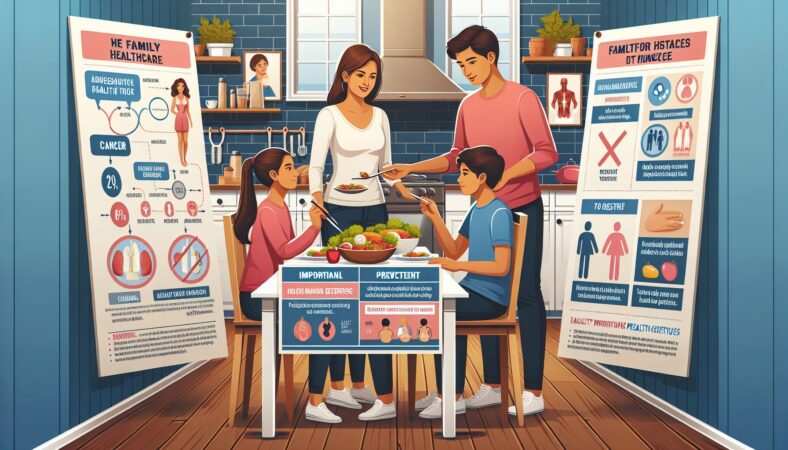
Family healthcare begins long before a visit to the doctor’s office. In fact, it starts at home, with the lifestyle choices made every day by each family member. Healthy behaviors, such as maintaining a balanced diet, engaging in regular physical activity, and avoiding harmful habits, can significantly contribute to the well-being of your family. More than just about strategy to tackle the common cold and pesky flu, family healthcare is fundamental to warding off serious diseases like cancer. Through this post, we will take an insightful journey into embracing healthier lives from a family healthcare perspective.
The Importance of Family Healthcare, Beyond the Surface
Family healthcare is much more than clinical visits and occasional lab tests. It entails a comprehensive approach towards promoting, maintaining, and restoring health, while preventing disease at every level of life. Physical, mental, and social well-being play an equal part in this grand scheme of things.
A family practitioner who knows and understands your family history and dynamics helps manage health issues in a more holistic and personalized manner. They can spot patterns, identify risks, and proactively guide your family in implementing preventive measures. Furthermore, through comprehensive family healthcare, members get educated about maintaining good health and preventing medical problems before they even begin to threaten well-being.
Family healthcare also plays a pivotal role in promoting and strengthening behavioral and lifestyle changes that contribute to a healthy living environment. Indeed, family healthcare acts as the first line of defense against health conditions, including the ever-daunting cancer.
Cancer Prevention Starts at Home
While not all forms of cancer can be prevented, there are strategies you can adopt within your family healthcare routine that significantly reduce the risk. Remember, prevention starts at home, and with good reason.
Making a Lifestyle Difference
-
Healthy Eating: Maintaining a balanced diet high in fruits, vegetables, lean proteins, whole grains, and low-fat dairy is vital. These foods are rich in nutrients that strengthen our immune system and prevent cancers. Try to limit foods high in sugar, salt, and unhealthy fats.
-
Being Physically Active: Regular physical activity not only helps maintain a healthy weight, but also reduces the risk for several types of cancer. Strive for at least 30 minutes of moderate to vigorous activity on most days of the week.
-
Limiting Alcohol and Avoiding Tobacco: Excessive alcohol and any form of tobacco are significant risk factors for several types of cancer. Hence, it is crucial to limit alcohol consumption and avoid smoking or the usage of other tobacco products.
-
Using Sun Safety: Excessive exposure to sun increases the risk of skin cancer. Make use of broad-spectrum sunscreens, wear protective clothing, and avoid staying out in the sun during peak hours.
Regular Screenings
Regular health screenings, such as mammograms, Pap tests, colonoscopies, and skin exams, can help detect cancer at an early stage when treatment is more likely to be successful. Your family healthcare provider can guide regarding the appropriate screenings for your family members based on your history and risk factors.
The Ripple Effect: Paving Way for a Healthier Future
A focus on family healthcare not only ensures the present well-being of your family members but creates a healthier future for the generations to come. By instilling good lifestyle habits early and keeping a regular check on potential health risks, we arm our future generations with knowledge and habits that will protect them even when we are not around.
Wrapping it Up
Your family’s healthcare is an integral aspect of not just your lives, but your future. It is more than just medicine; it is about fostering healthy habits, nurturing awareness, and embracing a lifestyle that puts health first. Remember, a little adjustment today can create a significant impact tomorrow. Notably, as we’ve seen, with the right tools and practices, we hold the power to outsmart even something as formidable as cancer.
In essence, enacting a comprehensive family healthcare routine is not merely a science, but an art – an art that passionately weaves together various facets of lifestyle, habits, choices, preventive tactics, and timely healthcare interventions to ensure the best possible canvas of health for your family.