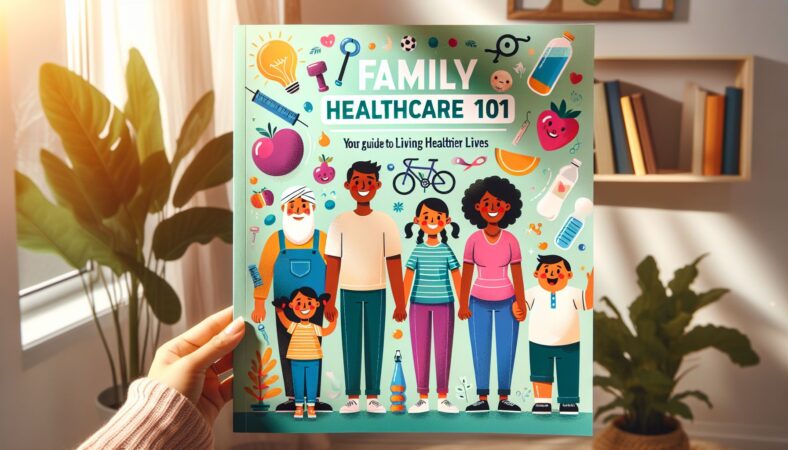
Health is wealth, as the old saying goes. This is even more applicable to the modern family, especially considering the range of health-related concerns today’s families face. Among the myriad of health issues, cancer is one of the most prevalent. In this article, we will look into the concept of family healthcare and how it plays a significant role in both preventive and proactive measures towards healthy living and cancer prevention.
Understanding Family Healthcare
Family healthcare refers to a holistic approach towards maintaining the health of the entire family. It incorporates prevention, education, early detection, and treatment of health conditions. By focusing on the health of the family as a single unit, rather than individual members, this approach can provide a comprehensive understanding of the health dynamics within the family and create a more efficient healthcare strategy.
Advantages of Family Healthcare
The primary advantage of family healthcare is its all-encompassing approach. It aims to understand the health needs of the family as a whole, considering factors such as age, genetics, lifestyle, and environment. This understanding leads to better diagnosis, treatment, and preventative measures that are tailored to the individual dynamics of each family.
Family healthcare also cultivates a sense of responsibility among members towards each other’s health. It encourages open communication regarding health issues and fosters a supportive environment where everyone’s health is considered important.
Family Healthcare and Cancer Prevention
One significant area where family healthcare can make a massive difference is in the domain of cancer prevention. By monitoring the health of all family members, identifying potential high-risk factors, and providing the right preventive measures, family healthcare can play a critical role in reducing the risk of cancer.
The Role of Family History
Family history is an important component of family healthcare. If a type of cancer is common in a family, a genetic predisposition may exist. Early detection and active surveillance become key aspects of healthcare for such families. Up-to-date knowledge and understanding about a family’s medical history can give healthcare professionals valuable insights, enabling them to set up appropriate early detection and prevention strategies.
The Importance of Healthy Lifestyle Choices
Lifestyle habits play a significant role in cancer prevention. A large number of cancer cases could be prevented by making healthier lifestyle choices. Activities such as smoking, alcohol consumption, unhealthy eating habits, and lack of regular exercise can significantly increase the risk of developing cancer.
Proper guidance from family healthcare providers can help families understand the consequences of unhealthy lifestyle habits, and also provide strategies for their modification. Educating families on the importance of balanced diets, regular physical activity, and avoiding harmful substances is an essential pillar of family healthcare cancer prevention strategies.
Proactive Health Checks and Screenings
Family healthcare promotes routine health check-ups and screenings for early detection of potential health issues, including cancer. Regular screenings for breast, cervical, colorectal, prostate, and lung cancers can help identify these diseases at an early stage when treatment is more effective.
A Family that Cares Together Stays Together
Indeed, family healthcare’s holistic approach could be one of our strongest allies in our fight against cancer and other health issues. This comprehensive approach allows us to create a healthy home environment, fostering a culture of health awareness, mutual care, and supportive communication.
Family healthcare does not only focus on medical treatments; it also emphasizes prevention and health education. By focusing on such areas, we are working to ensure that everyone, regardless of age or health status, feels not just taken care of, but also actively involved in maintaining the family’s overall health.
Through the collective effort of all family members and healthcare professionals, family healthcare can be an effective strategy for creating a healthier future for all families. Because indeed, when it comes to our health, every member of the family counts, and every action matters.