Author: Shane Miller

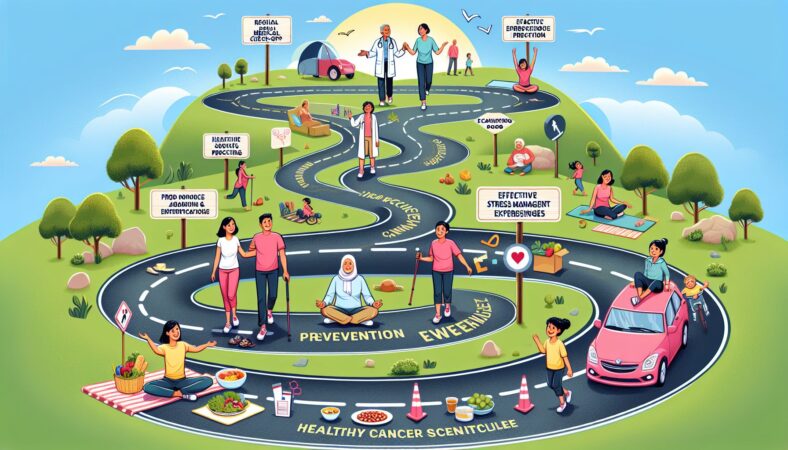
Understanding Family Healthcare: A Roadmap to Healthier Living and Cancer Prevention

In an age where health is at the forefront of societal consciousness, the importance of understanding and implementing sound family healthcare personally, is greater than ever. However, optimum family health involves more than just yearly check-ups and an occasional visit to the gym. It requires a comprehensive, dedicated approach toward all aspects of well-being. This article illuminates vital strategies for maximizing family health and preventing illnesses, especially cancer, by implementing proactive and preventive healthcare measures.

The Cornerstones of Family Healthcare

Family healthcare functions best when built on strong pillars of preventive care, regular monitoring, healthier lifestyle choices, and early disease detection. Equipping oneself with these principles will not only lead to overall improved health but could aid in preventing or early detecting life-threatening diseases like cancer.

Preventive Care

Preventive care revolves around taking steps to prevent diseases before they manifest or progress. Examples of preventive measures include vaccinations, regular screenings for blood pressure and cholesterol, and mammograms for women of a certain age.

The application of preventive care is also significant in reducing the probability of encountering cancer. On preventive cancer care, the American Cancer Society recommends regular screenings for breast, colon, and cervical cancer, among others. The aim is to detect any cancerous changes as early as possible, increasing the chances of effective treatment.

Regular Monitoring and Annual Check-ups

Monitoring one’s health and booking regular check-ups with medical professionals aid in managing potential health issues. For instance, keeping a close eye on body weight and maintaining it within a healthy range can thwart obesity-related complications.

Annual health checks and regular screenings are important instruments in the early detection of diseases, including cancer. These checks can uncover health issues that might not have shown apparent symptoms and give the advantage of time to respond promptly.

Adopting Better Lifestyle Choices

Lifestyle choices significantly influence health outcomes. Decisions around diet, physical activity, stress management, and avoiding harmful habits like smoking and excessive alcohol consumption, play integral roles in overall health and cancer prevention.

Healthy, balanced diets rich in fruits, vegetables, lean proteins, and whole grains enhance overall health, while physical exercise boosts body strength and mental well-being. At the same time, managing and mitigating stress through methods like yoga, meditation, or counseling sessions leads to better mental health.

Preventing Cancer through Healthy Living

Many types of cancers are caused by factors we can control. Smoking, a sedentary lifestyle, a poor diet, obesity, and excessive alcohol intake often contribute toward developing cancer. Therefore, modifications in lifestyle habits can decrease the risk of cancer substantially.

Dietary Modifications

A balanced diet is instrumental in preventing various illnesses including cancer. Incorporating antioxidant-rich fruits and vegetables, lean proteins, and fiber into daily meals can help ward off numerous diseases. Furthermore, limiting consumption of processed and red meats, reducing salt intake, and regulating the amount of fat in the diet can companion obesity and can significantly lower cancer risks.

Regular Exercise

The World Health Organization recommends at least 150 minutes of moderate-intensity or 75 minutes of vigorous-intensity physical activity each week for adults. Regular exercise helps maintain a healthy weight and can decrease the risk of several types of cancer including breast, colon, uterine, and lung cancers.

Regular Health Check-ups and Screenings

It’s essential to stick to the recommended schedule for medical check-ups and screenings. They are invaluable tools for early cancer detection as most forms of cancer are treatable if detected early. Early detection programs can significantly reduce the mortality rate from cancers such as breast and colorectal cancer.

Conclusion

The journey toward a healthier life often requires a reevaluation of daily habits and lifestyle choices. While it might seem challenging initially, the long-term benefits of adopting a healthier lifestyle far outweigh the momentary discomforts. Integrating the cornerstones of family healthcare – preventive care, regular monitoring, healthier lifestyle choices, and early disease detection – into your daily routine is an excellent strategy for promoting longevity and vitality, while significantly reducing the risks associated with life-threatening diseases like cancer.

A Comprehensive Guide to Family Healthcare: Fostering Healthier Lives and Cancer Prevention

The pride and joy of every family stem from the overall health and wellbeing of its members. Adopting healthy lifestyle habits as individuals and as a family is an integral aspect of family healthcare that often goes overlooked. We’ll explain how to foster healthier lives and how to incorporate elements of cancer prevention in your family wellness plan.

Understanding Family Healthcare

Family healthcare focuses on ensuring that every member of the family, regardless of age, enjoys optimal health. It entails annual check-ups, preventive health services, vaccination, advising on lifestyle modifications, and management of chronic conditions like diabetes and hypertension. It places emphasis on creating a nurturing environment where everyone understands the value of health and is motivated to make healthy choices.

But how can we make active steps towards healthier living? And more importantly, how can we involve young children and the elderly who might not understand the gravity of adopting a healthy lifestyle?

Implementing Healthy Living

Talk is cheap. The real challenge lies in implementing these lifestyle modifications. Here is where the idea of structural change comes in. To promote healthier living, structure your home environment to make healthy choices easy and inevitable.

Diet

One vital sphere that requires attention is diet. Gradually replace high-calorie, processed snacks with fruits and make sure your fridge is always stocked with veggies. Limit soda intake and encourage consumption of plain water, home-made juices, or smoothies. Try to incorporate home-cooked meals in your family routine as much as possible.

Physical Exercise

Another essential element is physical exercise. Family walks, cycling, weekend hikes, or any activity that gets everyone moving and is enjoyable at the same time is a fantastic way to keep everyone active. It is recommended that school-aged children get at least one hour of moderate to vigorous exercise every day. The adults should aim for a minimum of 150 minutes of moderate-intensity or 75 minutes of high-intensity exercise per week.

Tobacco and Alcohol

Tobacco and alcohol use is a leading cause of preventable diseases worldwide. Make your home a no-smoking zone, and limit alcohol use. For the adults who drink, a maximum of two standard drinks per day for men and one for women is recommended to prevent malignancies related to alcohol.

Cancer Prevention

Cancer is a major global health problem and a leading cause of death. The integration of cancer prevention into your family healthcare plan is quasi-inevitable. And the earlier we start, the better.

It is important to remember that cancer is not only the luck of the draw. Many types of cancer are lifestyle-related, which means that the power to prevent it is in our hands. Encourage regular cancer screenings like mammograms, Pap smears, and colonoscopies, per the recommended guidelines. Avoid exposure to sun as much as possible to prevent skin cancer. When in the sun, using a broad-spectrum sunscreen, wearing sunglasses, and choosing clothing that ensures maximum coverage is key to prevent harmful UV exposure.

Maintain a healthy weight, as many cancers are related to obesity. Regular physical activity and limiting sedentary behavior help control weight and decrease the risk of many types of cancer, including breast and ever-dreadful colon cancer.

Conclusion

Family healthcare is not just the absence of disease; it is a state of complete physical, mental, and social well-being. It is a holistic approach to health that stresses prevention as much as it does cure. Adopting healthy living habits and consciously incorporating elements of cancer prevention would not only improve the quality of life but also ensure longevity. It might seem like an uphill task, but with slight structural changes in our environment and supportive reinforcement, it can become enjoyable. Remember, we are not striving for perfection but progress. One step at a time, and we’ll get there. Healthy families build healthy communities, which will, in turn, build a healthy nation. It all starts with you and your family. Are you ready to make the change?

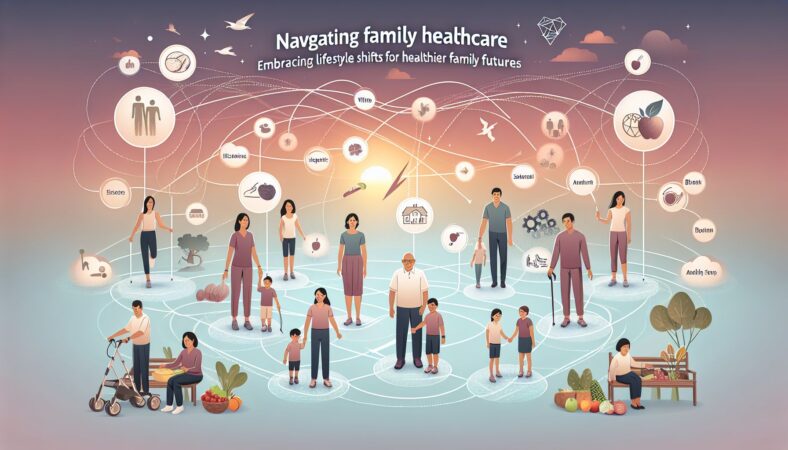
#Navigating Family Healthcare: Embracing Lifestyle Shifts for Healthier Family Futures

Family healthcare is one of the pillars of any thriving family unit. Living a healthier lifestyle is the best chance your family has at not just surviving, but thriving and enjoying the highest quality of life possible. It is often said that “prevention is the best cure”, and this adage holds true for the broad range of health conditions, including life-threatening illnesses such as cancer.

Exploring the complex landscape of family healthcare, let’s discuss how you can navigate this journey with your family, understanding how you can seize control of your health destiny.

Wellness in the Family Space: The Essence of Family Healthcare

Family healthcare pertains to the overall health and wellness of each family member. It is based on the idea that health management should be family-centered, recognizing the influence of family relationships on an individual’s health and the collective health of the family. The aim is to curtail chronic diseases, prevent prospective ailments, including cancer, and maintain robust health statuses.

It is a proactive measure that values preventative and affordable care, focused on the family, rather than solely individual-centric medical decisions. A family with a well-structured healthcare regimen is not only equipped to prevent diseases, but also attains the knowledge, tools, and resources needed to navigate potential health crises.

Understanding the Risk Factors

The first step to family healthcare is gaining insight into your family’s medical history. An individual’s health risk is influenced by the family’s health history, genetic predispositions, and shared environments. You should obtain as much information as possible about the diseases or health conditions that may run in your family. Talk to your relatives and collect information going back at least two generations.

Once you have a comprehensive family health history, share it with your healthcare providers. They can assess the probability of conditions recurring in later generations and may offer early detection screenings, proactive measures to manage potential risks, or predictive genetic testing if applicable.

Embracing Healthful Habits: The Framework of Prevention

Prevention is foremost a lifestyle—a commitment to nurturing body, mind, and spirit holistically. The path towards building a preventive framework is primarily through embracing healthier habits. Here are a few everyday checks that you can start incorporating into your family healthcare routine:

Nourishing Diet

Emphasize the importance of a balanced, nutritious diet. Encourage family meals with plenty of fresh vegetables, fruits, lean proteins, and whole grains. Limit intake of processed foods high in sodium and sugar. Proper nutrition is critical and a key factor both in the prevention of various diseases, including cancer, and for general well-being.

Physical Activity

Regular physical activity can reduce the risk of numerous diseases, including cardiovascular diseases, type 2 diabetes, and certain cancers. Try to include exercising as part of your family routine, and make sure it’s a fun activity to maintain enthusiasm and consistency.

No to Tobacco

The harmful effects of tobacco are well documented. Simply put, avoid smoking entirely—it significantly increases the risk for multiple cancers and other health issues.

Limiting Alcohol

Over-consumption of alcohol has been linked with several types of cancer. If you drink alcohol, do so in moderation.

Weight Management

Maintaining a healthy weight is a critical component for family health. Obesity is associated with a higher risk for multiple health complications, including cancer, diabetes, and heart disease.

Regular Check-ups

Regular health check-ups facilitate early detection and treatment of potential health issues. It’s crucial to have regular screenings and prevention checks applicable to your family health history and individual risk factors.

The Future of Family Healthcare

The future of family healthcare lies in personalized medical care—where doctors will be able to assess an individual’s risk of developing certain diseases, and offer personalized prevention strategies based on the individual’s genetic makeup, lifestyle habits, and environment. From a broader perspective, taking advantage of genetic advancements and technologies can be a crucial tool in cancer prevention.

Concluding Thoughts

Family healthcare isn’t a destination, but an ongoing journey. It’s about fostering an environment of awareness, preventive measures, and wellness habits, fortified by the knowledge and understanding of your family’s medical history.

By embracing a healthier lifestyle, you are laying the groundwork for a robust future for your family. Adopting preventive measures, taking control of your health, and placing priority on your family’s health are among life’s most transformative decisions. Remember – every step towards healthier living is a stride away from a potential health crisis.

Healthier families build healthier societies. Embrace family healthcare and join the stride towards a healthier world for all.

Tuning into Optimal Family Healthcare: Steps Toward Healthier Living and Cancer Prevention

A family that invests in good health reaps rewards beyond the immediate timeframe. Adapting healthier habits, meticulously paying attention to potential health red flags, and incorporating regular health checks become the vanguards in leading healthier lives and also in cancer prevention. In this blog post, we will delve into how families can invest their time and resources in family healthcare and take the necessary steps towards healthier living and cancer prevention.

Understanding Family Healthcare

When we think about family healthcare, it’s essential to view it through the lens of holistic health: physical, mental, and emotional well-being. Family healthcare is built on the foundation of preventive care, which not only involves managing existing health issues but also taking proactive steps to prevent certain diseases, particularly chronic conditions like diabetes, heart disease, and cancer.

Importance of Regular Check-ups

The adage ‘Prevention is better than cure’ stands unequivocally true in healthcare. Regular health check-ups can help detect potential health issues before they become a problem. Early detection gives you the best chance for getting the right treatment quickly, avoiding any complications.

For instance, some cancers can be found early, before they had a chance to grow and spread. Regular screenings, such as mammograms for breast cancer and Pap tests for cervical cancer, have reduced the mortality of these diseases by allowing for early treatment.

Creating Healthier Lifestyles

Taking care of your family’s health also includes encouraging healthy behaviors. The World Health Organization (WHO) estimates that at least one-third of all cancer cases are preventable. Lifestyle changes can significantly reduce the probability of developing not only cancer but numerous other health issues.

Healthy eating habits, regular physical exercise, getting proper sleep, maintaining optimal weight, no tobacco usage, and minimal alcohol intake are some of the lifestyle choices that can contribute to overall family health and prevention of diseases, including cancer.

Steps to Family Healthcare and Cancer Prevention

Eating Healthily Together

Nutrition plays a crucial factor in leading healthier lives and preventing illnesses. Eating a balanced diet rich in fruits, vegetables, lean proteins, and whole grains will provide your family with a wide range of vital nutrients. Regularly consuming processed foods high in sugars, unhealthy fats, and sodium can lead to varied health issues, including different types of cancer.

Family meals are an excellent opportunity to introduce and establish healthy eating habits. They not only foster family bonding but also provide the perfect setting to promote a healthy relationship with food.

Staying Active as a Family

Promoting physical activity and reducing sedentary time contributes significantly to prevention against various diseases, including cancer. Incorporating physical exercise as a family, such as regular walks, cycling, or playing a sport together, creates a culture of physical wellness. Active parents can function as role models for children, cultivating lifelong habits for maintaining healthy weights and protecting against disease.

Regular Cancer Screenings

Regular cancer screenings are a pivotal part of family healthcare. Depending on your family’s medical history, your family GP can recommend various early-detection tests. These could include tests for breast, colorectal, prostate, and cervical cancer. Being aware of your family’s medical history and communicating this information to your healthcare provider will enable them to provide personalized health check-ups and cater to potential needs urgently.

In Conclusion

Adopting a healthy lifestyle is fundamental to ensuring better health outcomes for our families and ourselves. The focus on health needs to shift from treatment-oriented to prevention-driven. Regardless of age, venturing into healthier lifestyle choices in every aspect of our lives is the absolute need of the hour, more so because this can lead to increased longevity and improved quality of life.

In taking these steps, not only are we fostering a healthier lifestyle for our families, but also taking proactive measures in preventing serious health issues such as cancer. A collective focus on family healthcare means taking small, conscious, and consistent steps towards a healthier, better future. When families work together towards a healthier lifestyle, then truly, a family that stays healthy, stays together happier.

“Good health and good sense are two of life’s greatest blessings.” – Publilius Syrus. Let’s value and cherish these blessings with the utmost care.

Family Healthcare: Ensuring Healthy Living and Cancer Prevention for Your Loved Ones

The health of your family is an essential aspect that can significantly affect the quality of life you lead. Therefore, it’s important to prioritize family healthcare—a comprehensive approach toward achieving a healthier family lifestyle, incorporating aspects like nutrition, physical activity, mental well-being, preventive measures, and regular check-ups, with ample emphasis on cancer prevention.

In this post, we will unravel how you can nurture a healthier lifestyle for your loved ones and effective ways you can employ in preventing cancer within your household.

Understanding Family Healthcare

Family healthcare is an integrated approach aimed at promoting the health and well-being of your family. This holistic care system is constructed around the belief that the well-being of one family member correlates to the well-being of the whole family. A healthier family environment leads to flourishing family bonds, reduced health risks, and overall quality living.

By understanding your family healthcare dynamics, you can develop an effective health plan that meets each family member’s unique needs and ensures a healthier, happier home environment.

Incorporating Healthy Eating Habits

The cornerstone of good health is nutrition. A balanced, nutritious diet fosters proper growth, fortifies the immune system, and slam the doors on lifestyle diseases like obesity, diabetes, and cardiovascular diseases.

To develop healthier eating habits, you need to:

  • Cook at home more often: Home-cooked meals give you control over the ingredients and portions you consume, facilitating healthier choices.
  • Incorporate fruits and vegetables into your diets: They’re packed with essential vitamins, minerals, and fiber, which boosts immunity and helps in cancer prevention.
  • Limit intake of processed foods and sugars: These can contribute to obesity and other health conditions.

Encouraging Regular Physical Activity

Physical activity plays a pivotal role in preserving good health. Encouraging regular physical activity among family members can significantly reduce health risks and boost vitality.

Create a routine that accommodates leisurely family activities like hiking, dancing, or cycling that everyone can enjoy. This nurtures not only physical health but also emotional and psychological well-being — reducing stress and anxiety levels while bolstering family bonds.

Promoting Mental Well-being

There is a paramount need to emphasize mental health as much as physical health within homes. This can be achieved by encouraging open discussions on mental health issues, offering emotional support, maintaining a positive atmosphere, and seeking professional help when necessary.

Family Healthcare and Cancer Prevention

Cancer has continually posed a significant health challenge worldwide. The key to combatting cancer lies in early detection and prevention. As part of the family healthcare plan, prioritizing cancer prevention measures is a significant stride toward safeguarding your family’s health.

Regular Health Check-ups

Regular health screenings can help identify any health anomalies early enough for effective treatment. Depending on your family’s health history, age, and lifestyle, different members will require different screenings. These may include mammograms, pap smears, prostate exams, colonoscopies, skin checks, among others.

Healthy Lifestyle Practices

Certain lifestyle practices are likely to escalate cancer risks among family members. By making wholesome lifestyle adjustments, like quitting smoking, reducing alcohol intake, protecting the skin from extreme sun exposure, you can dramatically lower the risk of cancer within your family.

Education and Awareness

Raising awareness about the signs and symptoms of cancer and disseminating relevant information about cancer prevention measures can also go a long way in cancer protection. Provide factual information and dispel myths to empower your family members in taking charge of their health.

Optimizing Family Healthcare for a Healthier Family

Regardless of your family setup, the ultimate goal is to create an environment that’s conducive to nurturing and maintaining healthier habits. But, it’s important to remember that it doesn’t have to be an overnight transformation.

Small, consistent steps towards healthier lifestyles gradually create a compounding effect leading to significant changes in your family’s health and well-being. It’s about making an enduring commitment to love, care, and protect your family by prioritizing their health, with an extra layer of security through cancer prevention measures.

Conclusion

By comprehensively addressing family healthcare—including aspects of nutrition, physical activity, mental health, regular check-ups, and cancer prevention—we can foster healthier families and consequently, healthier communities. Remember, the path to a healthier family life isn’t a sprint, but a journey that involves incremental steps, patience, and enduring commitment. Together, we can steer our families toward a path of optimal health and longevity.

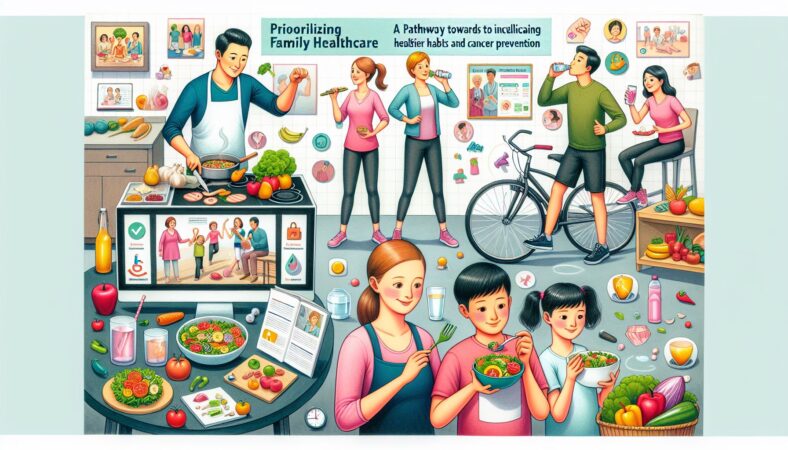
#Prioritizing Family Healthcare: A Pathway Towards Inculcating Healthier Habits and Cancer Prevention

Health is the best wealth one can possess. Never has the adage, “Health is Wealth,” rung truer than in contemporary times. In the realm of family healthcare, there is an immediate need for enlightening families on the importance of living healthier lives and adopting habits that can contribute to cancer prevention.

In an era marked by a plethora of lifestyle-induced diseases and health issues, cultivating a health-conscious rhythm in our day-to-day lives can bring about an unprecedented change, especially within our families. This article aims to provide a comprehensive overview of family healthcare, vital facets to keep in mind, and minor lifestyle tweaks to facilitate healthier living and prevent grave illnesses like cancer.

The Importance of Family Healthcare

Family healthcare is an umbrella term that incorporates myriad health aspects, starting from preventive health check-ups to daily nutrition and physical activities. It focuses on providing health support to all family members according to their specific health needs. Understanding the intricacies of family healthcare can become a foundation stone for building a health-conscious lifestyle that will nourish not only your current health status but also your future well-being.

Eyes on Nutrition: The First Step Towards Healthier Living

Our nutritional intake significantly dictates our general health status. A well-balanced diet imbued with all the necessary nutrients suffices to fuel the body’s vital functions effectively. Incorporating fruits, vegetables, whole grains, lean proteins, and healthy fats in your daily meals can considerably lower the risk of chronic diseases, aiding cancer prevention indirectly.

Limiting the consumption of processed foods and sugary drinks can further enhance your family’s health quotient. Moreover, teaching your kids about the importance of balanced nutrition from a young age would invariably lead them to make healthy food choices in the future.

Regular Exercise: An Indispensable Part of Family Healthcare

Stay active – If there’s one thing that could significantly contribute to enhancing your family’s health, it’s regular physical activity. Regular exercise not only ensures the optimal functioning of your body but also reduces the risk factors associated with various chronic diseases including heart disease and high blood pressure, thereby playing a critical role in cancer prevention.

Physical activities such as running, cycling, or even a leisurely walk can indeed work wonders in maintaining your family’s overall health. Allocating a set time for exercise creates a routine that your family can follow, inculcating a healthier lifestyle over time.

Staying Up-to-date with Regular Health Check-ups

Routine health check-ups can provide a window into your family’s health status. Through these check-ups, doctors can identify any potential health risks and provide immediate medical assistance. Furthermore, frequent check-ups can ensure early detection of serious illnesses, such as cancer, thus increasing chances of successful treatment and full recovery.

Mindfulness and Mental Health: Often Overlooked Aspects of Family Healthcare

The significance of mental health in ensuring overall well-being cannot be overstated. When speaking of family healthcare, mindfulness and mental well-being form essential components. Encouraging open discussions about emotional health, fostering a supportive environment, and assisting family members in managing stress can significantly improve your family’s mental health and, in turn, their physical health.

The Role of Healthcare Professionals in Cancer Prevention

The guidance from healthcare professionals is pivotal in the journey towards healthier living and cancer prevention. Regular communication with your family doctor can lend valuable insights into preventive care, lifestyle changes required for better health and crucial screenings for early detection of cancer.

These professionals become trusted advisors for your family health, aiding in formulating personalized health plans for each family member considering their unique health needs and challenges.

In conclusion, prioritizing family healthcare is unquestionably a step in the right direction towards fostering a healthier lifestyle and ensuring cancer prevention. With the correct balance of appropriate nutrition, regular exercise, mental health mindfulness, routine health check-ups, and guidance from healthcare professionals, families can lay down a sturdy foundation for healthier lives. Remember, the decisions we make today concerning our health will shape our tomorrow. Hence, let’s resolve to make wise choices and safeguard our family’s health.

Empowering Families Towards Healthier Lifestyles: A Closer Look at Family Healthcare for Cancer Prevention

Cancer is a life-altering disease that affects millions of people globally. Without a doubt, this disease necessitates a lot of focus on prevention, and it starts at home with family healthcare. By strengthening family healthcare practices, we empower everyone within the family unit to lead healthier lives and reduce their risk of developing various types of cancers. This post will delve into the importance of family healthcare and how it ties into leading a healthier lifestyle for cancer prevention.

Understanding Family Healthcare

Family healthcare is a paradigm that encourages a comprehensive approach to managing health within a family, taking into account the diverse health needs of each member. It’s a holistic way of maintaining wellness as it prioritizes understanding family health history, promoting a healthy lifestyle, and getting regular check-ups to detect any potential health issues early.

As the saying goes, “An ounce of prevention is worth a pound of cure,” and this is especially true when it comes to family healthcare.

Connection Between Family Healthcare and Cancer Prevention

Family healthcare can be a crucial element in cancer prevention strategy. Having a clear understanding and grasp of your family’s health history can provide important insights into your potential risks. Certain types of cancer, such as breast, colon, and ovarian cancers, have been linked to inherited genetic mutations. By knowing your family’s health history, you can inform your healthcare provider about any potential risks, allowing them to suggest appropriate preventive measures.

While genetic risks factor considerably into the overall risk of developing cancer, lifestyle factors such as diet, activity level, tobacco and alcohol use, and exposure to environmental carcinogens are also significant. Here’s where the central role of family healthcare in promoting and enabling healthier lifestyle habits comes in.

Building a Healthier Lifestyle for Cancer Prevention

Family healthcare does not stop at knowing your genetic risks – it goes beyond that by facilitating healthier lifestyles. Here are some ways to start incorporating healthier practices into your family’s daily routine.

Adopt a Nutritious, Balanced Diet

One of the most straightforward practices of reducing cancer risk is through nutrition. A diet high in fruits, vegetables, whole grains, and lean proteins can strengthen the immune system and protect the body from cancer. Encourage family meals and make cooking a shared activity, making sure you incorporate a variety of foods in your meals.

Regular Physical Activity

Regular physical activity helps maintain a healthy weight and reduces the risk of several types of cancer, including breast and colon cancer. As a family, aim for at least 30 minutes of moderate to vigorous activity each day. It could be as simple as walking the dog, biking, or doing some light stretching exercises.

Regular Check-ups and Screenings

Regular health checks and screenings play a vital role in detecting any health concerns early. Depending on your family health history and lifestyle factors, your healthcare provider may recommend specific screenings to help detect cancer at an early and more treatable stage.

Implementing Family Healthcare for Cancer Prevention: A Team Effort

Adopting family healthcare is a collaborative endeavor. It involves open communication and mutual support among family members. Take charge of your family’s health today by promoting this comprehensive, preventive approach to wellness.

Remember, when it comes to optimizing family healthcare for cancer prevention, consistency is key. Establish routines that facilitate a healthy lifestyle – regular physical activity, a balanced diet, and adequate rest. As a family, continue learning about health and wellness, stay informed, and take control of your health destiny.

Moreover, optimizing family healthcare aims not just to prevent cancer but also to improve overall quality of life. By taking a proactive approach to health, families can boost their longevity, reduce the risks of other diseases, and nurture a healthier future.

Conclusion: Family Healthcare Empowers Healthier Lives

Family healthcare positively contributes to establishing healthier lifestyles and reducing the risk of cancer. It’s a holistic approach that merges understanding of family health histories, cultivating healthier habits, and regular medical check-ups. Each family member’s effort plays a critical part in this proactive move towards wellness.

Remember that family healthcare isn’t a one-time deal but a reliable and consistent way of life. We hope this article has provided you with the necessary insight and inspiration to optimize family healthcare for cancer prevention in your home. By doing so, you’re not just preventing diseases, you’re fostering happier, healthier lives for you and your family.

Championing Family Healthcare: Your Guide to Healthy Living and Cancer Prevention

The healthcare paradigm is rapidly shifting towards a more holistic model, centered not only on treating diseases but, more importantly, preventing them. At the heart of this change lies family healthcare – a medical approach guided by the recognition that our health is significantly shaped by our daily activities, lifestyles, diet and our relationships.

In this blog post, we delve into key aspects of family healthcare with a special focus on cancer prevention. We aim to provide families with a greater understanding of how to live healthier lives and decrease their risk of developing cancer.

Understanding Family Healthcare

Family healthcare involves taking a comprehensive and preventative approach to health, considering all family members and their interconnected lifestyles, habits, and risk factors. It represents more than just periodic doctor visits – it’s about making health and wellness an integral part of daily life. From regular check-ups, vaccinations, lifestyle changes to health education, family healthcare is about providing personalized, continual care that suits your family specifically.

In addition to general health maintenance, family healthcare can play an important role in even more critical areas, such as cancer prevention.

The Link Between Family Healthcare and Cancer Prevention

Why should our focus on health turn towards prevention rather than strictly medical treatment? One word—cancer. Certain types of cancers are potentially preventable, and early detection significantly improves the prognosis. According to the World Health Organization, a third of cancer cases are preventable through a healthier lifestyle and regular screening.

There is where family healthcare becomes essential. Regular health check-ups and constant health supervision offer the best chances for detecting any abnormalities early, providing a head start in treating the disease.

This early detection is of utmost importance. For example, in the case of breast cancer, if detected in its earliest stage (stage 0 or stage 1), the 5-year relative survival rate is nearly 100%. Similarly, when colorectal cancer is found at an early stage, the 5-year survival rate is about 90%.

Family Healthcare: A Lifestyle Approach

Adopting a family healthcare approach signifies a commitment towards healthier lifelong habits for the entire family. These habits not only contribute to overall well-being, but they also play a crucial role in cancer prevention. Here’s how you can begin:

  1. Regular Medical Check-ups and Screenings: These are integral to early detection and prevention of cancer. Incorporate regular health check-ups, comprised of blood work, examination of family medical history, diet, activity levels, and scheduled screenings into your family healthcare routine.

  2. Healthy Diet: A diet rich in fruits, vegetables, lean protein and low on red and processed meats is linked to a lower risk of certain cancers. Encourage family meals and take this as an opportunity to inculcate healthy eating habits.

  3. Active Lifestyle: Regular physical activity can help lower the risk of different cancers. Encourage activities that the entire family can participate in, like family walks, cycling, or yard games

  4. Tobacco and Alcohol: Refrain or limit the use of tobacco and alcohol. Both have been linked to various kinds of cancers.

  5. Psychological Well-being: Mental well-being is an equally important aspect of family healthcare. Encourage open communication within the family and seek professional help when necessary.

Conclusion: Family Healthcare as a Lifelong Commitment

Inculcating a family healthcare approach is not about drastic changes but gradual, sustainable modifications to the family’s lifestyle. It is about understanding that every small step your family takes towards healthier habits contributes significantly to your overall well-being and cancer prevention.

Remember, family healthcare demands a constant commitment and sometimes professional guidance. Consult registered health professionals to discuss your family’s medical histories, risks, lifestyles and to devise a comprehensive family healthcare plan.

Health is indeed wealth, and by prioritizing family healthcare, we stockpile this wealth for ourselves and our future generations. Let’s champion the cause of health in our homes, making each family its own primary health unit!

Ensuring Vitality through Family Healthcare: A Comprehensive Guide to Live Healthier Lives

Family healthcare is a critical aspect of preserving the well-being and strength of our families. It prioritizes constant vigilance, frequent check-ups, and maintaining a healthy lifestyle to circumvent general health problems and severe conditions like cancer. This guide will help you understand and implement effective strategies to enhance your family’s health and aid in cancer prevention.

Importance of Family Healthcare

Your family’s healthcare plan is as vital as your home’s foundation. It provides a baseline of health that each family member can rely on when confronted with health concerns. Implementing regular health check-ups, a balanced diet, and physical activity into your family’s routine can help deter developing diseases, detect any potential risks early, and direct treatment more effectively.

Effective family healthcare also plays a significant role in cancer prevention. By promoting regular screenings, you’re taking the crucial first step in combating this deadly disease. Early detection of cancer often results in better prognoses and treatment outcomes due to the increased likelihood of successful treatment intervention.

Balancing Nutrition

Nutrition is an integral part of maintaining good health. Adopting a balanced diet reduces the risk of obesity, heart diseases, stroke, diabetes, and certain types of cancer. Focus on consuming a variety of fruits and vegetables, complex carbohydrates, lean proteins, and healthy fats to ensure your family is getting all essential vitamins and nutrients.

It’s also critical to monitor your consumption of unhealthy foods and drinks. It’s suggested to limit intake of processed food, high sugar drinks, and those high in unhealthy fats and oils. Additionally, moderating alcohol consumption is necessary for a healthy lifestyle – particularly in cancer prevention.

Keeping Active

Regular physical activity helps prevent chronic diseases, improves cardiovascular health, fosters strong bones, and boosts mental health. From a family-oriented perspective, it creates opportunities for family bonding through group activities like hiking, biking, or playing a sport together. Also, being active isn’t limited to strenuous activities. Even light exercises, such as walks around the neighborhood, benefit overall health greatly.

Aside from maintaining a healthy weight, physical activity is also linked with lower cancer risk. Particularly, colon, breast, and endometrial cancers are significantly less common in individuals who lead an physically active lifestyle.

Scheduling Regular Health Check-ups

Health check-ups are the cornerstone of preventive healthcare. These examinations can detect potential health scares early, making it easier to manage and control. Regular check-ups also create a health record over time, which could be beneficial in perceiving trends or hereditary health issues.

These visits can appear redundant, especially when there’s an absence of apparent health issues. However, think of them as your insurance policy against future health problems. They provide reassurance and can later prevent more severe health consequences.

Check-ups are integral in cancer prevention as family physicians are often the first to detect early symptoms. By diagnosing cancer at an earlier stage, there’s generally a higher chance of successful treatment.

Advocacy of Mental Health

Often overshadowed by physical health, mental health is an equally important facet of family healthcare. Sessions with trusted therapists or psychologists could provide immense benefits to those struggling with stress, depression, anxiety, or other mental health issues. Advocating for mental health within the family ensures everyone gets support and avoids feelings of isolation.

Conclusion

In essence, family healthcare is a way to ensure that every family member is taken care of and maintains good health. Its multi-faceted approach seeks to address physical and mental health through various preventive measures like maintaining an active lifestyle, healthy diet and regular health check-ups.

By implementing family healthcare strategies, you’re not only ensuring a healthier present for your family, but also a brighter future. You’re creating an environment where your family’s health is prioritized, leading to longer and more fulfilling lives. Furthermore, you’re developing a proactive approach in preventing severe diseases, such as cancer.

Begin by addressing one area at a time until you create an entirely healthier lifestyle for you and your family; a life that holds health concerns at bay, essentially aiding in cancer prevention. So, think of this as an important family project – one that provides the priceless rewards of health, peace of mind, and longevity.

Family Healthcare: How your Family can Lead Healthy Lives and Prevent Cancer

With the rising awareness of maintaining a healthy lifestyle, an emphasis on family healthcare has taken center stage. The prevalent health issues, such as cardiovascular diseases and cancer, have made people conscious of their overall health and, most importantly, have emphasized preventive behaviors. For families, this trend translates into a focus on family healthcare. In this blog post, I will explore how your family can live a healthier life and an overview of cancer prevention.

Understanding Family Healthcare

Family healthcare encompasses all the practices, changes, or habits a family adopts to maintain the well-being of all its members. It’s an approach that views the family as a unit, addressing their health collectively rather than individually. Family healthcare takes into account the dynamics, lifestyle, nutrition, exercise, and more within a family setup.

As such, health promotion and disease prevention are at the core of family healthcare. Checkups, timely vaccinations, eating balanced meals, maintaining mental health, and exercising regularly count as preventive measures under family healthcare. Furthermore, it also involves educating family members about harmful practices like smoking or sedentary behaviours, the risks they pose and how to quit or avoid them.

The Function of Nutritious Eating

Just as fuel is crucial for a car to run properly, nutrition significantly impacts a family’s state of health. Balanced and nutritious meals provide the energy needed for various bodily functions and combat various diseases.

Eating a diet rich in fruits, vegetables and low fat diary products while limiting the intake of unhealthy fats and sugar can help maintain a healthy weight, prevent hypertension and reduces risk of heart disease. Regular family meals also encourage healthier eating habits, underscore the importance of nutrition and foster stronger family bonds.

Regular Exercises: A Family Affair

Exercising together as a family brings along a host of benefits. Beyond individual physical transformation and boosted overall health, family workouts can also inspire children to appreciate and understand the value of an active lifestyle. Mix in some fun activities, such as biking, hikes, or swimming with vigorous workouts for maximum benefits.

Mental Health Matters Too

Family healthcare is not restricted to physical health alone. Mental health is equally significant. Open communication, emotional support, regular outings, joint activities, and delegation of house responsibilities are some of the ways to foster good mental health.

Smoke-Free Homes

Smoking, both active and passive, significantly contributes to a variety of health problems, including several types of cancers. Thus, a crucial step to maintaining a healthy family and preventing cancer is ensuring a smoke free environment at home. It is equally important to teach children about the harmful effects of tobacco usage.

Cancer Prevention Measures

According to the World Health Organization, one-third of cancer deaths could be prevented by modifying or avoiding key risk factors. These include maintaining a healthy diet, being physically active, and avoiding tobacco and alcohol use. Regular screening and immunization against cancer-causing infections like Hepatitis B and HPV also forms a critical part of cancer prevention strategies.

Vaccinations and Regular Checkups: Don’t Skip them!

Regular checkups can provide a detailed analysis of your family members’ health and catch any potential health problems at early stages. Similarly, staying up-to-date with vaccinations helps your family build immunity against several deadly diseases, including certain types of cancers.

Conclusion: Your Family Health, Your Responsibility

In conclusion, family healthcare largely involves a combination of preventive measures and healthy lifestyle changes that collectively contribute to overall family health and cancer prevention. It is crucial to understand each member’s individual health requirements and work towards a setup that accommodatively imparts healthy behaviors in each member.

Adopting a healthy lifestyle as a family does not only help in disease prevention, but it also strengthens family bonds. The journey of health is smoother and more fulfilling when embarked upon together as a family. Therefore, take charge of your family’s health, because health is indeed wealth.