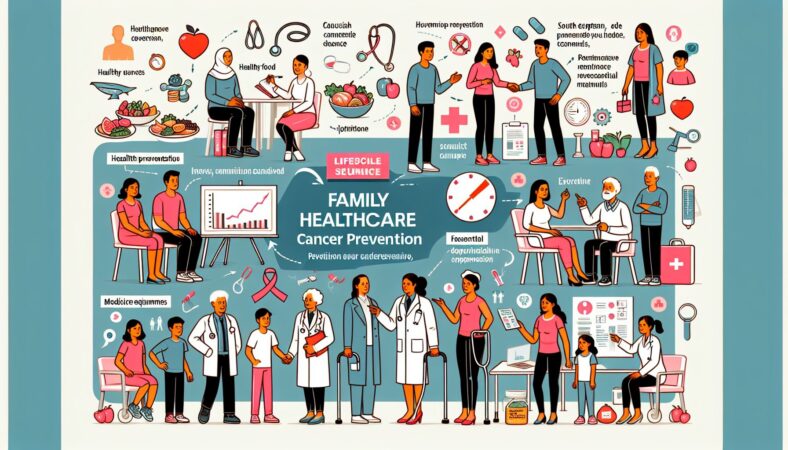
Author: Shane Miller

Healthy Lives, Healthy Families: All You Need to Know About Family Healthcare

The journey to good health starts at home. As a family, our shared meals, activities, and habits significantly impact our well-being. Making smarter decisions can aid us in leading healthier lives and reducing the risk of illnesses like cardiovascular diseases and cancer. Today we steer you through family healthcare basics and offer practical advice on embracing a wholesome lifestyle conducive to preventative care.

Understanding Family Healthcare

Family healthcare, in its essence, focuses on the wholesome health of every family member, irrespective of their age. It encompasses everything from prenatal care to geriatric health. This holistic approach enables healthcare providers to acknowledge family history, lifestyle choices, and environmental elements that can influence an individual’s well-being.

Healthcare providers view the family unit as not just a group of individuals but as an interconnected system. Family health assessments are a common part of regular checkups and forms the groundwork for personalized preventive care plans. Effective family healthcare requires a proactive approach that emphasizes prevention over cure, focusing on healthy living, balanced nutrition, and regular activity.

Steps Towards a Healthier Family Lifestyle

Adapting to healthier habits doesn’t have to be an uphill struggle. Little changes, when accumulated, can lead to significant improvements.

Balanced Diet and Nutrition

The first step towards a healthier family is emphasizing a well-balanced diet. Ensure that your family’s meals are rich in fruits, vegetables, lean meats, low-fat dairy, and whole grains. Besides providing vital nutrients, a balanced diet reduces the risk of chronic diseases, such as heart disease and cancer.

Regular Physical Activity

Regular activity is critical to supporting a healthy lifestyle. Whether through sports, jogging, or even brisk walks, daily exercise helps maintain body weight and blood pressure, ensuring overall health. Try to incorporate at least 30 minutes of moderate activity for adults and 60 minutes for children each day.

Adequate Rest

Adequate sleep and rest are as vital as nutrition and exercise. Poor sleep patterns can lead to an array of health issues, like diabetes, obesity, and even cancer. Encouraging proper sleep routines for children and adults alike is crucial to a healthy lifestyle.

Regular Medical Check-ups

Regular health check-ups are a cornerstone of family healthcare. These appointments allow your healthcare provider to detect any potential health issues while they’re still manageable and before they develop into severe problems.

Cancer Prevention: A Proactive Approach

Cancer, a leading cause of death worldwide, warrants a special focus. Many cancer types can be prevented or detected early through lifestyle modifications and regular screenings. While family healthcare is key to overall well-being, embedding cancer prevention strategies can significantly reduce risk factors.

Tobacco and Alcohol: Quit Now

Tobacco and alcohol are among the top contributors to cancer. Quitting tobacco, limiting alcohol, and avoiding second-hand smoke are critical cancer prevention strategies that you should adopt for your family’s well-being.

Sun and Carcinogens: Be Aware

The threat of carcinogens is not limited to tobacco and alcohol. Protecting your family from harmful UV rays and other environmental carcinogens can also significantly reduce cancer risks.

Cancer Screening: Catch it Early

Regular cancer screenings can detect early signs, often before symptoms arise, and when treatment is likely to be most effective. Speak to your healthcare provider about appropriate screenings based on your family’s medical history.

Conclusion

Family healthcare, with its broad and preventive approach, offers a pathway to a healthier, more fulfilling life. Embrace a balanced lifestyle incorporating nutritious eating, regular exercise, adequate sleep, and medical check-ups. Practice these strategies diligently, and remember, the path to good health is a marathon, not a sprint. By incorporating preventive strategies like cancer screenings and avoiding harmful substances, you can establish a robust shield against cancer.

Family healthcare is not a standalone task but a collective effort. In making these healthy choices today, you are not only safeguarding your well-being but also setting an example for future generations to keep the family tree flourishing.

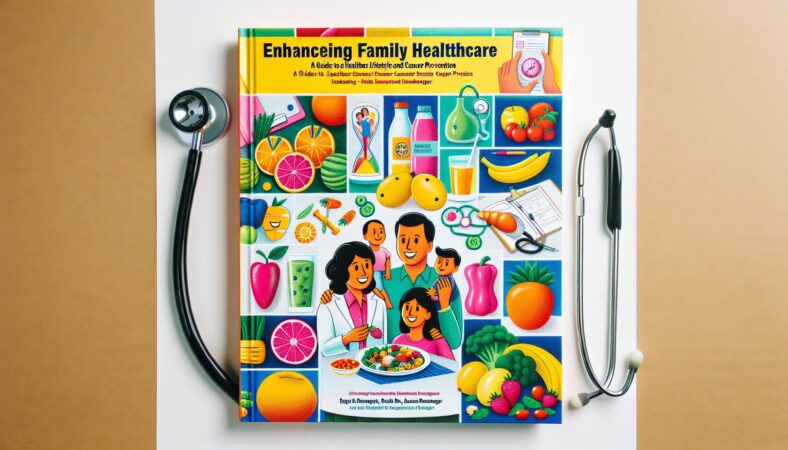
Paving The Way For Improved Family Healthcare and Cancer Prevention

The idea of family healthcare is not new. It’s a comprehensive approach to health that pertains to all individuals in the family unit, regardless of age. This strategy is essential more than ever due to the increasing number of chronic illnesses like heart disease, diabetes, obesity, and, alarmingly, cancer. With the proper approach to family healthcare and adequate knowledge on cancer prevention, families can lead healthier and potentially longer lives.

What is Family Healthcare?

Family healthcare involves the combined efforts of family members to maintain and enhance the wellbeing of each individual in the household. It’s a home-bound approach to health, encompassing lifestyle choices, diet, exercise routines, mental health management, preventive screenings, and regular medical check-ups.

Practicing family healthcare not only supports the physical health of each member, but it also establishes a solid foundation of health awareness and habits in children, which they’ll carry on in their adult lives. Furthermore, a family-centric approach helps in catching early symptoms of potential diseases, including various types of cancers.

The Importance of Family Healthcare in Cancer Prevention

Cancer is a leading cause of death worldwide. Various types indicate the need for proactive steps towards prevention, and family healthcare plays an instrumental role in executing these steps. A coordinated family effort towards a healthier lifestyle will significantly decrease the likelihood of developing cancer. From healthy eating habits to regular exercise and screenings, all can make differences in cancer prevention.

Impacts of Lifestyle Choices

One of the simplest and most efficient ways to prevent cancer is by maintaining a healthy, balanced diet. This means having a high intake of fruits and vegetables, legumes, lean proteins, and whole grains while decreasing consumption of processed foods, sugary drinks, and red meats.

Do ensure your family maintains a healthy weight as obesity is a known risk factor for multiple types of cancer. Regular physical activity as a family, whether it’s a weekend family hike, biking, or simple daily walks in the park, is also an excellent way to manage weight and prevent cancer.

The Role of Regular Screenings

Regular screening tests increase the chances of detecting certain cancers early, increasing the chances of successful treatment. The types of test depend on factors like age, sex, medical history, and family history of certain types of cancer. As an adult, you must be screened for breast, cervical, colorectal, and lung cancers.

Prostate cancer screening for men and genetic testing for women with a family history of breast or ovarian cancer are also recommended. Children, while at a significantly lower risk, must be regularly checked for cancers that often affect children, like leukemia.

Conquering Bad Habits Together

Family healthcare also means helping each other overcome bad habits. Smoking is a significant risk factor for lung and other cancers, while excessive alcohol intake increases the risk of numerous types of cancer. Families can create a system of support to help those who wish to quit smoking or reduce their alcohol intake.

Handling Mental Health

The role of mental health in overall wellbeing and cancer prevention should not be underestimated. Studies have shown that chronic stress, depression, and anxiety can weaken the immune system, potentially increasing one’s cancer risk. As a family, creating a supportive, positive environment is essential for maintaining good mental health. In fact, simple actions like listening, showing empathy, and understanding can make a large difference.

In Conclusion

Family healthcare is a robust, home-bound strategy that promotes a healthier lifestyle, enhances quality of life, and serves as a most effective line of defense against chronic diseases, including cancer. The coordination and collective efforts of every family member can pave the way for cancer prevention by making healthier lifestyle choices related to diet, exercise, and mental well-being.

Forming a healthier family is not a race – it’s a lifelong journey that you embark on together. In the process, you minimize the risk of cancer, strengthen your bonds, and help each other live healthier, happier lives.

Enhancing Family Healthcare: A Guide to a Healthier Lifestyle and Cancer Prevention

A healthy family is a happy family. Studies reveal that the key to leading a hearty life lies within consistent lifestyle alterations that foster robust physical and mental health. Among the chief concerns facing families worldwide is the menacing rise of chronic illnesses such as cancer. Now more than ever, championing family healthcare and promoting conscious activities fostering cancer prevention have become paramount.

Understanding Family Healthcare

Family healthcare promotes the well-being of the entire family unit. Essentially, it emphasizes preventive care, taking into account genetic predispositions, environmental factors, and shared health behaviors. An integrated approach that encompasses a variety of healthcare disciplines, family healthcare ranges from preventative measures like vaccinations and regular check-ups to managing chronic conditions. The goal of family healthcare is to enable early detection of potential health threats and formulate plans to prevent or manage them effectively.

Why Family Healthcare?

The importance of placing emphasis on family healthcare cannot be underestimated. Healthy families tend to be more productive, happier, and lead more fulfilled lives. They are also likely to live longer, spend less time and money on medical care and contribute positively to their communities. Furthermore, collective involvement in family healthcare processes helps solidify family bonds, reinforcing the adage, “the family that stays healthy together, stays together.”

Adopting Healthier Lifestyles: Step Towards Optimum Family Healthcare

Pivotal to achieving optimum family healthcare is adopting and maintaining a healthy lifestyle. Below are a few recommendations:

Balanced Diet

“Let thy food be thy medicine.”Consuming a wholesome, balanced diet replete with essential nutrients is one of the rudimentary steps to ensuring the wellness of your family. Incorporate lots of fruits and vegetables into your meals, opt for whole grains over refined ones, lean meats over processed ones, and always hydrate.

Regular Exercise

Exercise maintains a healthy body weight, reduces the risk of developing chronic diseases, and enhances mental health. Establishing a family routine of moderate-intensity activities or engaging in fun-filled physical games not only serves fitness purposes but also strengthens family bonds.

Adequate Sleep

Sufficient sleep isn’t merely about being well-rested. It factors significantly in overall health in ways like boosting immunity, promoting heart health, reducing stress, improving mood, and enhancing memory.

Stress Management

While it is impossible to eliminate stress entirely, knowing how to manage it can lead to healthier, more productive lives. Practicing stress-reducing activities like meditation, yoga, breathing techniques, or even simple quality family time can greatly contribute to stress management.

Emphasizing on Cancer Prevention

Cancer, a formidable adversary to family wellbeing, usually arises from lifestyle-related factors. Fortunately, most types of cancer can be prevented, making cancer prevention measures essential in family healthcare.

Routine Check-ups and Screenings

Regular medical check-ups and screenings can help detect cancer and other diseases at an early stage when they are most likely treatable. Follow your healthcare provider’s guidance on the right time and frequency of these check-ups.

Tobacco and Alcohol: Sabbatical or Teetotal?

Excessive consumption of alcohol and any form of tobacco use exponentially elevates the risk of various cancers. Therefore, limiting alcohol and shunning tobacco is a significant step in cancer prevention.

Shield against the Sun

Skin cancer is among the most common types of cancer. Regularly using sunscreen, donning protective clothing, and avoiding midday sun can significantly reduce this risk.

Wrapping Up: A Healthier Family

Promoting family healthcare and cancer prevention is a joint endeavor that requires consistent effort for everyone involved. Start small, make gradual changes, celebrate milestones and rejoice in the collective effort towards a healthier tomorrow. Remember, every step taken towards better health isn’t just for the individual but for the loved ones around them.

While it may appear daunting at first, incorporating healthier lifestyle choices and preventive measures into the routine results in incremental beneficial change, leading to a more wholesome, happier, and ultimately healthier family. At the end of the day, nothing is more reassuring than a healthy family and the confidence that you are all together on the path towards longevity.

A Comprehensive Guide to Family Healthcare and Cancer Prevention

Ensuring your family’s health is of the utmost importance. A consistent and comprehensive approach to family healthcare can contribute significantly to living a balanced, fulfilling, and healthier life. By taking the right steps, your family can prevent severe health challenges, such as cancer, that may come unannounced.

This post provides an ultimate guide to understanding family healthcare and the role it plays in cancer prevention for families aspiring to live healthier lives.

Understanding the Essence of Family Healthcare

Family healthcare strengthens the health of all family members across all ages, sexes, diseases, and body parts. It involves preventative measures, health promotion, disease detection, treatment, rehabilitation, and palliative care when needed, as these are essential in maintaining a healthy lifestyle.

A well-structured family healthcare plan includes routine medical check-ups, vaccinations, regular exercises, and a balanced diet. By focusing on prevention and early detection of possible health issues, family healthcare can dramatically reduce the chances of severe or chronic illnesses.

Family Healthcare: A Strategy for Cancer Prevention

Cancer prevention is a critical component of family healthcare. In fact, a significant portion of cancer-related deaths can be prevented by adopting healthy behaviors at home.

Regular Screening and Preventive Measures

Regular screenings are fundamental in the early detection of several types of cancer, such as breast, cervical, colorectal, prostate, and skin cancer. These can result in effective treatment and a higher probability of overcoming the disease.

Preventive measures such as appropriate vaccinations can also protect against certain cancers. Vaccines like the Human Papillomavirus (HPV) vaccine can protect against most cervical cancers and other forms of cancer.

Healthy Diet for Cancer Prevention

A balanced, nutritious diet can play a pivotal role in preventing cancer. Include plenty of fruits and vegetables in your family’s diet to ensure they get essential vitamins, minerals, and antioxidants that combat cancer. Limit intake of processed meats as several studies link them to increased risk of colorectal cancer.

Avoid tobacco and limit alcohol consumption, as both are known carcinogens linked to various types of cancer.

Physical Activity and Healthy Weight

Physical activity reduces the risk of several types of cancer, including breast, colon, kidney, and uterine cancer. Encourage every family member to incorporate a daily physical activity habit, whether walking, playing a sport, or engaging in a workout routine.

Maintaining a healthy weight can lower the risk of many types of cancer. Ensure portion control and regular exercise to prevent obesity, which is a key risk factor of various cancers.

Implementing Family Healthcare for Cancer Prevention: Steps to Success

To implement a successful family healthcare regimen:

  1. Start by scheduling routine medical check-ups. Regular health assessments can catch potential health issues before they become serious.
  2. Encourage vaccination. Ensure your family gets vaccines at the recommended times to prevent specific types of cancer.
  3. Promote a healthy diet. Educate your family on the importance of balanced nutrition and make a habit of preparing healthier meals at home.
  4. Foster an active lifestyle. Develop a family fitness routine to keep everyone physically active and in healthier shape.

These steps will not only work towards maintaining a healthier lifestyle for your family, but also prevent the occurrence of severe illnesses such as cancer.

Wrapping Up

Family healthcare serves as a comprehensive guide to maintaining a healthy lifestyle while preventing serious health issues, including cancer. By considering health as a family unit, you can foster a supportive environment where everyone is aware of and is working towards minimizing health risks. Through preventative measures and early detection via regular medical check-ups, healthy nutrition, an active lifestyle, and vaccinations, cancer prevention can be an attainable goal.

Remember, while there’s no absolute guarantee against cancer, these healthcare strategies can significantly aid in reducing cancer risks. By fostering a culture of health within the family, you are investing in a lifetime of wellness for you and your loved ones. A progressive approach to family healthcare is indeed a step closer to a healthier, fulfilling life.

Nudging Families Toward Healthier Futures: An Insight into Family Healthcare and Cancer Prevention

Family healthcare and wholesome living are tightly intertwined concepts, with an ever-increasing importance in today’s fast-paced world. Remarkably, lifestyle-related ailments hit the modern family hard, often exacerbated by ignorance, misinformation, or even avoidance. As such, this post aims to demystify family healthcare and cancer prevention, offering reliable approaches towards healthier, happier home lives.

Understanding Family Healthcare

Family healthcare is a comprehensive field encompassing health management, preventive measures, and therapeutic interventions for the entire familial unit. Broadly, it entails:

  1. Physiological well-being: regular physical examination, disease management, vaccinations,
  2. Psychological health: mental health services, stress management, coping with grief and trauma,
  3. Preventive healthcare: promoting healthy behaviors and habits, disease screening, nutritional counseling,
  4. Health education: imparting information about hygiene, nutrition, exercise, and disease prevention.

In essence, family healthcare not only focuses on treating severe illnesses but also places a strong emphasis on prevention and maintaining general wellness.

Put Prevention First: Relevance of Health Checks

Preventative health checks are the lynchpins of any family healthcare plan. Regular screenings enable early detection of potential health issues, effectively lowering the havoc they may wreak. Think of them as your annual car maintenance – they keep you running smoothly, help spot little problems before they fester into substantial troubles.

Empowering through Education

Harnessing the power of knowledge is another pillar in the castle of family healthcare. Individuals informed about various health-related aspects can make better decisions about their overall wellness and that of their family members. This means knowing the right food choices, understanding the importance of physical activity, awareness about mental health, and of course, the know-how regarding disease prevention, including cancer.

Simplify Nutrition, Amplify Health

Our relationship with food significantly impacts our health. Consuming nutritionally dense and balanced meals ensures a healthy body weight while warding off various diseases. Teaching children about proper nutrition sets them up for a lifetime of healthy eating habits.

An Active Family Is a Healthy Family

Exercise is an excellent health booster, reducing the risk of heart diseases, improving mental health and mood, and helping in weight management. Find activities that the whole family can participate in, such as biking, hiking, or playing a sport. Remember, the goal is to get everyone involved and make it fun.

Mental Health Matters

While prioritizing physical well-being, do not overlook mental health. Encourage open discussions, be aware of stressors within the family, and if needed, do not hesitate to seek professional counseling. Good mental health can influence one’s ability to lead a balanced and fulfilling life.

The Grim Perspective: Why Prioritize Cancer Prevention?

Cancer, in many forms, ranks among the most significant threats to modern lives. A compelling rationale for prioritizing cancer prevention is that nearly half of all cancer cases are preventable. They result from modifiable lifestyle factors, such as cigarette smoking, lack of physical activity, poor diet, or overexposure to the sun.

Building the Bulwark: Effective Cancer Prevention Strategies

Cancer prevention starts with lifestyle choices. Here are some simple yet effective measures for families:

  1. Adopt a Healthy Diet: Fill your plate with fruits, vegetables, lean proteins, and whole grains.
  2. Stay Active: Regular exercising helps maintain a healthy weight, thereby reducing the risk of cancer.
  3. Stay Sun Safe: Limit sun exposure and never skip sunscreen.
  4. Quit Tobacco: As smoking causes various types of cancer, kicking the habit is a massive leap towards a cancer-free life.
  5. Immunize: Vaccinations against Hepatitis B and HPV can prevent cancers caused by these viruses.

Making these strategies part of your family routine can significantly reduce the risk of cancer and promote healthier lives overall.

In conclusion, family healthcare is a thorough approach to health management to safeguard every family member and ensure holistic wellness. It means not just freedom from illness but also enjoying vibrant health – both physically and mentally. Also, by emphasizing cancer prevention, families can effectively mitigate one of the largest health risks of our era. Through relaxation, exercise, diet, understanding, and joyful inclusivity, every family can carve out a path to long, healthy lives that reverberate with laughter and vitality.

So, let’s take up this mantle of responsibility and guide our families towards healthier futures by incorporating these fundamental aspects of family healthcare and cancer prevention. After all, the journey of health is better enjoyed together – as a family!

Making Health A Family Affair: Introduction To Family Healthcare And Cancer Prevention

Staying healthy is crucial for every family. But did you realize that adopting a healthy lifestyle can also reduce your family’s risk of cancer? Family healthcare and cancer prevention are intertwined, and by understanding them better, your family can live healthier and potentially cancer-free lives.

The Importance of Family Healthcare

Family healthcare is the pillar that ensures every family member’s health at varying stages of life. It involves encompassing preventative measures, routine checkups, health education, and chronic disease management. Family healthcare encourages family members to adopt a holistic view of their health and wellbeing, thereby reducing the susceptibility to ailments such as cancer.

Engaging In Regular Physical Activity

A sedentary lifestyle increases the risk of numerous health problems, including cancer. Engaging in regular exercise can contribute to weight loss and maintaining a healthy weight, thus reducing the risk of certain cancers such as breast, colon, esophageal, and kidney cancers.

Encourage family members to incorporate physical activities that they enjoy into their daily routines. This can be anything from walking, jogging, swimming, or cycling, to more indoor activities such as yoga or aerobic dances. Remember, consistency is key when it comes to physical activity.

Eating A Balanced Diet

A balanced diet plays an essential role in optimizing family healthcare and cancer prevention. It’s advisable to consume various fruits, vegetables, whole grains, and lean proteins, reducing sugars, salts, and unhealthy fats.

Consumption of certain foods like processed meat and alcohol has been linked to increased risk of specific cancers. Teaching and cultivating healthy eating habits to your kids from an early age can protect them from diseases later in life.

Regular Health Check-Ups

Even with a healthy lifestyle, regular health check-ups are essential as certain conditions do not display symptoms in early stages. Regular health screenings can identify possible health issues before they become problematic, including early detection of cancer, allowing for more effective treatment.

Keeping with immunizations is also vital. Certain vaccines like Human Papilloma Virus (HPV) and Hepatitis B can protect against cancers caused by these viruses.

Family Health History and Genetic Testing

Your family health history can offer significant insights into the conditions that may run in your family. When one or more family members have had specific types of cancer, there could be a possibility that other members are at an increased risk.

In such cases, genetic testing can be a beneficial tool for determining individuals who carry certain gene mutations leading to a higher predisposition to certain cancers. This proactive step allows you and your health-care provider to create a personalized plan of action that might involve more frequent screenings or even preventive surgeries.

The Role of Mental Health

Undeniably, mental health is just as crucial as physical health. Stress, depression, and anxiety not only hinder one’s quality of life but may also encourage unhealthy habits such as poor diet, lack of exercise, and substance abuse, thus indirectly increasing the risk of diseases, including cancer.

Cultivate a supportive and open environment that encourages family members to express their feelings and fears. Seek professional help as needed. Don’t forget that caring for your own mental health also sets a good example for the rest of the family.

Quit Tobacco And Limit Alcohol

Whether it’s smoking or second-hand smoke, tobacco, in any form, is a leading cause of cancer. By quitting smoking or avoiding secondhand smoke, you are taking a significant step towards cancer prevention.

Moreover, indulging in alcohol should be in moderation as it is associated with different types of cancer. CDC guidelines suggest no more than two drinks a day for men and one for women.

Conclusion

The path to family healthcare and cancer prevention can seem comprehensive, but every step brings your family closer to a healthier lifestyle, reducing cancer risks. Start with small changes, encourage and inspire each other, and remember, consistent, healthy choice makes all the difference!

By incorporating healthy habits, regular check-ups, mental health awareness, understanding your family health history, and eschewing tobacco and alcohol, you can build a strong foundation for your family’s health and wellbeing. Making health a family affair is not just an act of love and care, but it’s literally giving the gift of life. Let’s embrace this journey together!

Deciphering Family Healthcare: The Pathway to a Healthier Life and Cancer Prevention

Family healthcare is a crucial aspect of an individual’s life that involves keeping diseases at bay, prioritizing balanced nutrition, practicing regular physical activity, and ensuring that mental health is taken duly care of. While the specifics of family healthcare may vary based on your family’s unique needs, there are core principles applicable to all which, when appropriately implemented, can lead to a healthier lifestyle and significantly decrease the potential for developing illnesses such as cancer.

The Stakes of Family Healthcare

An efficient family healthcare system is much crucial as it revolves around preventive care and chronic disease management. Studies have emphasized that preventive care contributes significantly to avoiding potentially severe and expensive conditions, including cancer. It’s much more than just heading to the doctor’s office when you are sick or injured. It’s about creating a lifestyle that supports long-term physical, mental, and emotional well-being.

Effective Steps for Living Healthily

There are several effective steps you can incorporate to enhance your family’s health significantly.

Regular Screening Tests

Regular screening tests are significant preventative measures. These tests can detect potential health conditions like cancer in their early stages when they’re more manageable. Talk to your doctor about what screenings are suitable for you and when you should get them.

Balanced Nutrition

Well-nourished bodies are better equipped to cope with illnesses, so ensure your food choices are rich in nutrients. Incorporate fruits, vegetables, whole grains, and lean proteins into your regular diet. Balanced nutrition is particularly critical for cancer prevention, as excessive weight gain is associated with an increased risk for several types of cancer.

Regular Physical Activity

Maintaining regular physical activity can greatly improve your overall health and diminish the risk of numerous diseases including cancer. The recommended amount of exercise is at least 150 minutes of moderate-intensity or 75 minutes of vigorous-intensity activity weekly.

Limit Harmful Habits

Harmful habits such as smoking and excessive alcohol consumption can significantly raise the risk of developing cancer and other diseases. Therefore, it’s best to quit smoking and limit alcohol to moderate amounts.

Importance of Mental Health Care

Family healthcare is not just about physical health, but mental well-being as well. Good mental health allows you to function well, have meaningful social connections, positive self-esteem, and the ability to cope with life’s challenges. Hence, ensure you are taking care of your family’s mental health needs as much as the physical ones. Providing a safe, loving, and supportive environment is an excellent place to start. If necessary, don’t hesitate to seek help from mental health professionals.

Cancer Prevention and Family Healthcare

The principles of healthy living mentioned previously—regular screening, balanced nutrition, regular physical activity, and refusing harmful habits—are all critical components in a comprehensive cancer prevention strategy. Family healthcare involves conscious daily decisions to live healthier, with a special focus on preventive measures.

Cancer, as we all know, is a significant health challenge worldwide. However, the good news is that most cancers are preventable. By recognizing the risks and reducing them through a healthy lifestyle and regular screenings, we can take a proactive role in reducing the incidence of cancer among our family members.

Conclusion

Family healthcare is a fundamental aspect that significantly contributes to the overall health and well-being of your family. Incorporating habits like a well-balanced diet, regular physical activity, regular health screenings, and maintaining good mental health can help prevent various health conditions, including cancer. By adopting these steps and integrating them into your everyday life, you can ensure a healthier future for your family. Prioritizing family healthcare and cancer prevention is an investment with immeasurable returns—the health and longevity of you and your loved ones.

Your Family’s Path To Health: Understanding Family Healthcare and Cancer Prevention

Family healthcare begins long before a visit to the doctor’s office. In fact, it starts at home, with the lifestyle choices made every day by each family member. Healthy behaviors, such as maintaining a balanced diet, engaging in regular physical activity, and avoiding harmful habits, can significantly contribute to the well-being of your family. More than just about strategy to tackle the common cold and pesky flu, family healthcare is fundamental to warding off serious diseases like cancer. Through this post, we will take an insightful journey into embracing healthier lives from a family healthcare perspective.

The Importance of Family Healthcare, Beyond the Surface

Family healthcare is much more than clinical visits and occasional lab tests. It entails a comprehensive approach towards promoting, maintaining, and restoring health, while preventing disease at every level of life. Physical, mental, and social well-being play an equal part in this grand scheme of things.

A family practitioner who knows and understands your family history and dynamics helps manage health issues in a more holistic and personalized manner. They can spot patterns, identify risks, and proactively guide your family in implementing preventive measures. Furthermore, through comprehensive family healthcare, members get educated about maintaining good health and preventing medical problems before they even begin to threaten well-being.

Family healthcare also plays a pivotal role in promoting and strengthening behavioral and lifestyle changes that contribute to a healthy living environment. Indeed, family healthcare acts as the first line of defense against health conditions, including the ever-daunting cancer.

Cancer Prevention Starts at Home

While not all forms of cancer can be prevented, there are strategies you can adopt within your family healthcare routine that significantly reduce the risk. Remember, prevention starts at home, and with good reason.

Making a Lifestyle Difference

  1. Healthy Eating: Maintaining a balanced diet high in fruits, vegetables, lean proteins, whole grains, and low-fat dairy is vital. These foods are rich in nutrients that strengthen our immune system and prevent cancers. Try to limit foods high in sugar, salt, and unhealthy fats.

  2. Being Physically Active: Regular physical activity not only helps maintain a healthy weight, but also reduces the risk for several types of cancer. Strive for at least 30 minutes of moderate to vigorous activity on most days of the week.

  3. Limiting Alcohol and Avoiding Tobacco: Excessive alcohol and any form of tobacco are significant risk factors for several types of cancer. Hence, it is crucial to limit alcohol consumption and avoid smoking or the usage of other tobacco products.

  4. Using Sun Safety: Excessive exposure to sun increases the risk of skin cancer. Make use of broad-spectrum sunscreens, wear protective clothing, and avoid staying out in the sun during peak hours.

Regular Screenings

Regular health screenings, such as mammograms, Pap tests, colonoscopies, and skin exams, can help detect cancer at an early stage when treatment is more likely to be successful. Your family healthcare provider can guide regarding the appropriate screenings for your family members based on your history and risk factors.

The Ripple Effect: Paving Way for a Healthier Future

A focus on family healthcare not only ensures the present well-being of your family members but creates a healthier future for the generations to come. By instilling good lifestyle habits early and keeping a regular check on potential health risks, we arm our future generations with knowledge and habits that will protect them even when we are not around.

Wrapping it Up

Your family’s healthcare is an integral aspect of not just your lives, but your future. It is more than just medicine; it is about fostering healthy habits, nurturing awareness, and embracing a lifestyle that puts health first. Remember, a little adjustment today can create a significant impact tomorrow. Notably, as we’ve seen, with the right tools and practices, we hold the power to outsmart even something as formidable as cancer.

In essence, enacting a comprehensive family healthcare routine is not merely a science, but an art – an art that passionately weaves together various facets of lifestyle, habits, choices, preventive tactics, and timely healthcare interventions to ensure the best possible canvas of health for your family.

Family Healthcare 101: Your Guide to Living Healthier Lives

Health is wealth, as the old saying goes. This is even more applicable to the modern family, especially considering the range of health-related concerns today’s families face. Among the myriad of health issues, cancer is one of the most prevalent. In this article, we will look into the concept of family healthcare and how it plays a significant role in both preventive and proactive measures towards healthy living and cancer prevention.

Understanding Family Healthcare

Family healthcare refers to a holistic approach towards maintaining the health of the entire family. It incorporates prevention, education, early detection, and treatment of health conditions. By focusing on the health of the family as a single unit, rather than individual members, this approach can provide a comprehensive understanding of the health dynamics within the family and create a more efficient healthcare strategy.

Advantages of Family Healthcare

The primary advantage of family healthcare is its all-encompassing approach. It aims to understand the health needs of the family as a whole, considering factors such as age, genetics, lifestyle, and environment. This understanding leads to better diagnosis, treatment, and preventative measures that are tailored to the individual dynamics of each family.

Family healthcare also cultivates a sense of responsibility among members towards each other’s health. It encourages open communication regarding health issues and fosters a supportive environment where everyone’s health is considered important.

Family Healthcare and Cancer Prevention

One significant area where family healthcare can make a massive difference is in the domain of cancer prevention. By monitoring the health of all family members, identifying potential high-risk factors, and providing the right preventive measures, family healthcare can play a critical role in reducing the risk of cancer.

The Role of Family History

Family history is an important component of family healthcare. If a type of cancer is common in a family, a genetic predisposition may exist. Early detection and active surveillance become key aspects of healthcare for such families. Up-to-date knowledge and understanding about a family’s medical history can give healthcare professionals valuable insights, enabling them to set up appropriate early detection and prevention strategies.

The Importance of Healthy Lifestyle Choices

Lifestyle habits play a significant role in cancer prevention. A large number of cancer cases could be prevented by making healthier lifestyle choices. Activities such as smoking, alcohol consumption, unhealthy eating habits, and lack of regular exercise can significantly increase the risk of developing cancer.

Proper guidance from family healthcare providers can help families understand the consequences of unhealthy lifestyle habits, and also provide strategies for their modification. Educating families on the importance of balanced diets, regular physical activity, and avoiding harmful substances is an essential pillar of family healthcare cancer prevention strategies.

Proactive Health Checks and Screenings

Family healthcare promotes routine health check-ups and screenings for early detection of potential health issues, including cancer. Regular screenings for breast, cervical, colorectal, prostate, and lung cancers can help identify these diseases at an early stage when treatment is more effective.

A Family that Cares Together Stays Together

Indeed, family healthcare’s holistic approach could be one of our strongest allies in our fight against cancer and other health issues. This comprehensive approach allows us to create a healthy home environment, fostering a culture of health awareness, mutual care, and supportive communication.

Family healthcare does not only focus on medical treatments; it also emphasizes prevention and health education. By focusing on such areas, we are working to ensure that everyone, regardless of age or health status, feels not just taken care of, but also actively involved in maintaining the family’s overall health.

Through the collective effort of all family members and healthcare professionals, family healthcare can be an effective strategy for creating a healthier future for all families. Because indeed, when it comes to our health, every member of the family counts, and every action matters.

A Comprehensive Guide to Family Healthcare & Cancer Prevention

Family healthcare is a multidimensional challenge. It is not only about taking care of the sick but also ensuring that every member is living a healthy lifestyle that keeps illnesses away. The basis of good family healthcare goes beyond the traditional reactive approach and embraces prevention. One area where prevention is particularly necessary is cancer, a disease that causes millions of deaths worldwide each year. In this post, we will explore what family healthcare entails, with a special emphasis on cancer prevention.

Understanding Family Healthcare

Family healthcare involves fostering healthy habits, providing timely medical attention, and ensuring mental and emotional health for everyone in your household. It encompasses a wide range of practices, from maintaining a balanced diet and regular exercise, to keeping up with regular check-ups and vaccinations. Pediatric care, elder care, and medical care for adults are components of family healthcare.

Diet and Lifestyle

A major factor in most health conditions, including cancer, is diet and lifestyle. Healthy food, exercise, and minimizing stress play pivotal roles. Include a variety of fruits, vegetables, and lean proteins in your diet, and limit the intake of processed foods and red meat.

Remember to take time out for exercise, even if it is a walk around the block, or a few stretching exercises at your workstation. Encourage your children to embrace outdoor games and activities, as this will not only help in their physical growth but also improve their social skills and mental wellbeing.

Regular Healthcare Check-ups

Regular health check-ups are vital in the early detection of potential health issues. While self-exams and being attuned to your body can help you identify certain early warning signs, regular professional health check-ups can reveal problems you may not be aware of.

A Closer Look at Cancer Prevention

Cancer is a menace that can affect anyone, irrespective of their age, gender, or lifestyle. However, certain factors like genetics, exposure to harmful substances, and unhealthy habits can increase the risks.

Preventing Cancer through Healthy Choices

Unfortunately, we can’t change our genes or erase our exposure to certain harmful substances in the past. But there are things we can control – like our diet, physical activity level, and exposure to tobacco and alcohol.

A diet rich in fruits, vegetables, lean meats, and whole grains can certainly help lower the risk of various types of cancers. Regular exercise is another effective mechanism to ward off not only cancer but numerous other health issues as well.

One of the most important aspects of cancer prevention is to avoid tobacco in any form. Tobacco is not just linked to lung cancer but several others, including cancers of the mouth, larynx, throat, esophagus, kidney, liver, stomach, and colorectum.

Cancer Screening

Regular screenings can catch cancer early, where the chances of successful treatment are much higher. Certain procedures like mammograms for breast cancer, colonoscopy for colorectal cancer, and Pap smears for cervical cancer, are vastly important. Discussing your and your family’s health history with your doctor is key, as they can suggest specific screenings based on your risk factors.

Ensuring Family Healthcare and Cancer Prevention

Implementing a healthy lifestyle in your family is one of the best ways you can protect you and your loved ones’ health. Remember, the steps you take in this direction will not just help in prevention but also in managing the illness better, in case it occurs.

Cutting out unhealthy habits, getting regular health checks, setting a positive example for your children, and keeping a positive mindset, are the cornerstones for maintaining family healthcare, including cancer prevention.

Conclusion

Family healthcare involves a concerted effort from all the members in the household to protect each other’s health through preventive and proactive actions. It’s about building a symbiotic environment that fosters health, hope, and happiness for everyone. Remember, when it comes to health, prevention is always better than cure, and starting early can make a big difference. Don’t wait for a health scare to start taking preventative measures for yourself and your family. With every step you take toward a healthier lifestyle, you’re reducing your risk for various diseases, including cancer.

Understanding family healthcare and incorporating essential practices in your daily life can be your first step towards a healthier and happier family.

Stay happy, stay healthy!