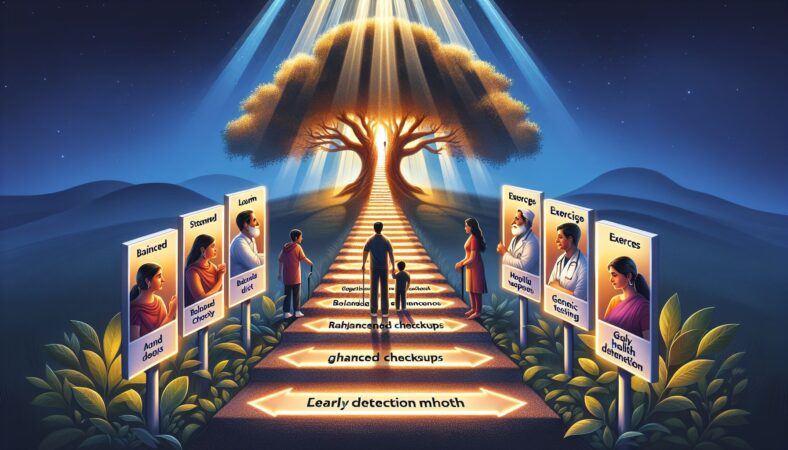
The idea of family healthcare is not new. It’s a comprehensive approach to health that pertains to all individuals in the family unit, regardless of age. This strategy is essential more than ever due to the increasing number of chronic illnesses like heart disease, diabetes, obesity, and, alarmingly, cancer. With the proper approach to family healthcare and adequate knowledge on cancer prevention, families can lead healthier and potentially longer lives.
What is Family Healthcare?
Family healthcare involves the combined efforts of family members to maintain and enhance the wellbeing of each individual in the household. It’s a home-bound approach to health, encompassing lifestyle choices, diet, exercise routines, mental health management, preventive screenings, and regular medical check-ups.
Practicing family healthcare not only supports the physical health of each member, but it also establishes a solid foundation of health awareness and habits in children, which they’ll carry on in their adult lives. Furthermore, a family-centric approach helps in catching early symptoms of potential diseases, including various types of cancers.
The Importance of Family Healthcare in Cancer Prevention
Cancer is a leading cause of death worldwide. Various types indicate the need for proactive steps towards prevention, and family healthcare plays an instrumental role in executing these steps. A coordinated family effort towards a healthier lifestyle will significantly decrease the likelihood of developing cancer. From healthy eating habits to regular exercise and screenings, all can make differences in cancer prevention.
Impacts of Lifestyle Choices
One of the simplest and most efficient ways to prevent cancer is by maintaining a healthy, balanced diet. This means having a high intake of fruits and vegetables, legumes, lean proteins, and whole grains while decreasing consumption of processed foods, sugary drinks, and red meats.
Do ensure your family maintains a healthy weight as obesity is a known risk factor for multiple types of cancer. Regular physical activity as a family, whether it’s a weekend family hike, biking, or simple daily walks in the park, is also an excellent way to manage weight and prevent cancer.
The Role of Regular Screenings
Regular screening tests increase the chances of detecting certain cancers early, increasing the chances of successful treatment. The types of test depend on factors like age, sex, medical history, and family history of certain types of cancer. As an adult, you must be screened for breast, cervical, colorectal, and lung cancers.
Prostate cancer screening for men and genetic testing for women with a family history of breast or ovarian cancer are also recommended. Children, while at a significantly lower risk, must be regularly checked for cancers that often affect children, like leukemia.
Conquering Bad Habits Together
Family healthcare also means helping each other overcome bad habits. Smoking is a significant risk factor for lung and other cancers, while excessive alcohol intake increases the risk of numerous types of cancer. Families can create a system of support to help those who wish to quit smoking or reduce their alcohol intake.
Handling Mental Health
The role of mental health in overall wellbeing and cancer prevention should not be underestimated. Studies have shown that chronic stress, depression, and anxiety can weaken the immune system, potentially increasing one’s cancer risk. As a family, creating a supportive, positive environment is essential for maintaining good mental health. In fact, simple actions like listening, showing empathy, and understanding can make a large difference.
In Conclusion
Family healthcare is a robust, home-bound strategy that promotes a healthier lifestyle, enhances quality of life, and serves as a most effective line of defense against chronic diseases, including cancer. The coordination and collective efforts of every family member can pave the way for cancer prevention by making healthier lifestyle choices related to diet, exercise, and mental well-being.
Forming a healthier family is not a race – it’s a lifelong journey that you embark on together. In the process, you minimize the risk of cancer, strengthen your bonds, and help each other live healthier, happier lives.