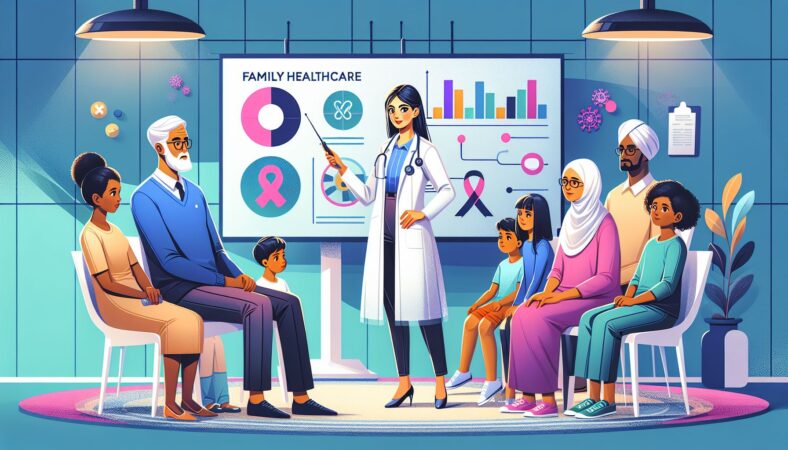
Staying healthy is crucial for every family. But did you realize that adopting a healthy lifestyle can also reduce your family’s risk of cancer? Family healthcare and cancer prevention are intertwined, and by understanding them better, your family can live healthier and potentially cancer-free lives.
The Importance of Family Healthcare
Family healthcare is the pillar that ensures every family member’s health at varying stages of life. It involves encompassing preventative measures, routine checkups, health education, and chronic disease management. Family healthcare encourages family members to adopt a holistic view of their health and wellbeing, thereby reducing the susceptibility to ailments such as cancer.
Engaging In Regular Physical Activity
A sedentary lifestyle increases the risk of numerous health problems, including cancer. Engaging in regular exercise can contribute to weight loss and maintaining a healthy weight, thus reducing the risk of certain cancers such as breast, colon, esophageal, and kidney cancers.
Encourage family members to incorporate physical activities that they enjoy into their daily routines. This can be anything from walking, jogging, swimming, or cycling, to more indoor activities such as yoga or aerobic dances. Remember, consistency is key when it comes to physical activity.
Eating A Balanced Diet
A balanced diet plays an essential role in optimizing family healthcare and cancer prevention. It’s advisable to consume various fruits, vegetables, whole grains, and lean proteins, reducing sugars, salts, and unhealthy fats.
Consumption of certain foods like processed meat and alcohol has been linked to increased risk of specific cancers. Teaching and cultivating healthy eating habits to your kids from an early age can protect them from diseases later in life.
Regular Health Check-Ups
Even with a healthy lifestyle, regular health check-ups are essential as certain conditions do not display symptoms in early stages. Regular health screenings can identify possible health issues before they become problematic, including early detection of cancer, allowing for more effective treatment.
Keeping with immunizations is also vital. Certain vaccines like Human Papilloma Virus (HPV) and Hepatitis B can protect against cancers caused by these viruses.
Family Health History and Genetic Testing
Your family health history can offer significant insights into the conditions that may run in your family. When one or more family members have had specific types of cancer, there could be a possibility that other members are at an increased risk.
In such cases, genetic testing can be a beneficial tool for determining individuals who carry certain gene mutations leading to a higher predisposition to certain cancers. This proactive step allows you and your health-care provider to create a personalized plan of action that might involve more frequent screenings or even preventive surgeries.
The Role of Mental Health
Undeniably, mental health is just as crucial as physical health. Stress, depression, and anxiety not only hinder one’s quality of life but may also encourage unhealthy habits such as poor diet, lack of exercise, and substance abuse, thus indirectly increasing the risk of diseases, including cancer.
Cultivate a supportive and open environment that encourages family members to express their feelings and fears. Seek professional help as needed. Don’t forget that caring for your own mental health also sets a good example for the rest of the family.
Quit Tobacco And Limit Alcohol
Whether it’s smoking or second-hand smoke, tobacco, in any form, is a leading cause of cancer. By quitting smoking or avoiding secondhand smoke, you are taking a significant step towards cancer prevention.
Moreover, indulging in alcohol should be in moderation as it is associated with different types of cancer. CDC guidelines suggest no more than two drinks a day for men and one for women.
Conclusion
The path to family healthcare and cancer prevention can seem comprehensive, but every step brings your family closer to a healthier lifestyle, reducing cancer risks. Start with small changes, encourage and inspire each other, and remember, consistent, healthy choice makes all the difference!
By incorporating healthy habits, regular check-ups, mental health awareness, understanding your family health history, and eschewing tobacco and alcohol, you can build a strong foundation for your family’s health and wellbeing. Making health a family affair is not just an act of love and care, but it’s literally giving the gift of life. Let’s embrace this journey together!