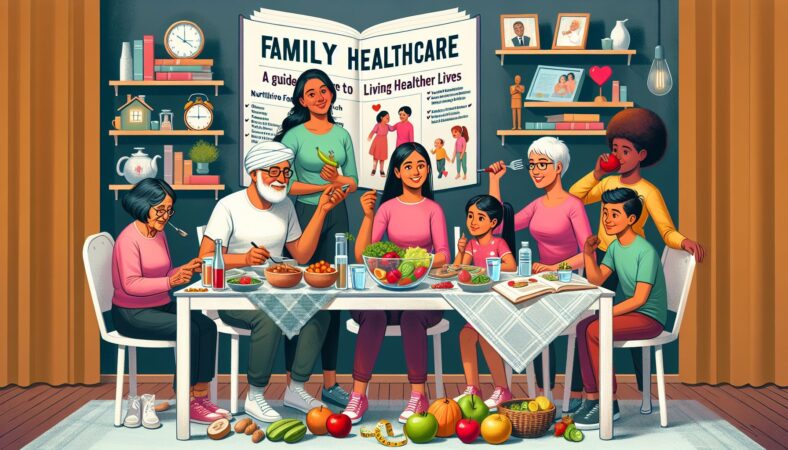
In today’s fast-paced world, it can be easy to neglect our health in the midst of busy schedules and never-ending to-do lists. However, taking care of our health should be a priority for not only ourselves but also for our families. By making small changes to our daily routines and adopting healthier habits, we can not only prevent chronic diseases but also live happier and more fulfilling lives.
Family healthcare is a vital aspect of leading a healthy lifestyle, and it encompasses a wide range of practices and habits aimed at promoting overall well-being for every member of the family. From regular check-ups and vaccinations to maintaining a balanced diet and engaging in physical activities, family healthcare plays a crucial role in preventing illnesses and ensuring longevity.
One of the most important aspects of family healthcare is cancer prevention. Cancer is a leading cause of death worldwide, with many types of cancer being preventable through lifestyle changes and early detection. By incorporating cancer prevention strategies into our daily lives, we can significantly reduce our risk of developing this deadly disease and improve our quality of life.
Importance of Regular Check-ups and Vaccinations
Regular check-ups are an essential part of family healthcare as they help detect any potential health issues early on, making them easier to treat. By scheduling annual check-ups with your healthcare provider, you can stay on top of your health and address any concerns before they escalate into more serious problems. Additionally, vaccinations are crucial for preventing infectious diseases that can be harmful to both children and adults. By staying up-to-date on recommended vaccines, you can protect yourself and your family from a variety of illnesses.
Maintaining a Balanced Diet
Eating a nutritious diet is key to maintaining good health and preventing chronic diseases. A balanced diet should include a variety of fruits, vegetables, whole grains, lean proteins, and healthy fats. By avoiding processed foods high in sugar, salt, and unhealthy fats, you can reduce your risk of obesity, heart disease, and other health problems. Encouraging your family to eat meals together and cook healthy recipes can also promote a positive relationship with food and instill healthy eating habits in children from a young age.
Engaging in Physical Activities
Regular physical activity is essential for overall health and well-being. Exercise not only helps maintain a healthy weight but also improves cardiovascular health, boosts mood, and reduces the risk of chronic diseases such as diabetes and cancer. Encouraging your family to engage in physical activities together, such as going for walks, playing sports, or taking fitness classes, can strengthen family bonds and promote a healthy lifestyle for everyone.
Cancer Prevention Strategies
Cancer prevention is a critical component of family healthcare, as many types of cancer can be prevented through lifestyle changes and early detection. Some of the key cancer prevention strategies include:
-
Maintaining a Healthy Weight: Obesity is a major risk factor for many types of cancer, including breast, colorectal, and pancreatic cancer. By adopting a healthy lifestyle that includes regular exercise and a balanced diet, you can reduce your risk of developing cancer.
-
Avoiding Tobacco: Smoking and tobacco use are leading causes of lung cancer and other types of cancer. By quitting smoking and avoiding secondhand smoke, you can significantly decrease your risk of developing cancer.
-
Limiting Alcohol Intake: Excessive alcohol consumption has been linked to an increased risk of various types of cancer, including liver, breast, and esophageal cancer. By drinking alcohol in moderation or abstaining altogether, you can lower your risk of cancer.
-
Getting Screened Regularly: Regular cancer screenings, such as mammograms, colonoscopies, and skin checks, can help detect cancer in its early stages when it is most treatable. By following recommended screening guidelines for your age and risk factors, you can increase the chances of detecting cancer early.
Conclusion
Family healthcare is essential for promoting overall well-being and preventing chronic diseases such as cancer. By incorporating regular check-ups, vaccinations, a balanced diet, and physical activities into your daily routine, you can improve your health and the health of your loved ones. Additionally, adopting cancer prevention strategies can significantly reduce your risk of developing this deadly disease and ensure a healthier future for your family. Remember, small changes can lead to big results when it comes to living a healthier life. Start making positive changes today for a happier, healthier tomorrow.