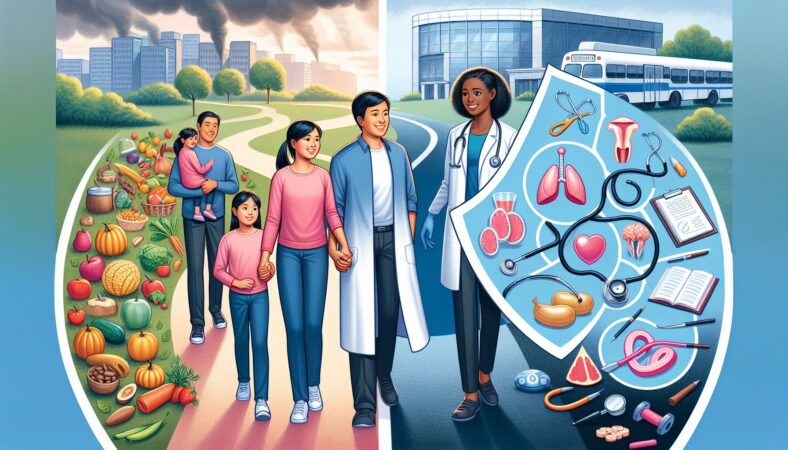
Health is the greatest asset a family can harbor. With good health, the burdens of hospital visits, constant appointments with the doctor, and unduly stress can be significantly reduced. One area gaining momentum in the health sector is family healthcare. Positioned as an approach that promotes health at the family level through a coordinated effort, family healthcare can greatly influence the vitality and well-being of your loved ones. But how does this all link to cancer? Understanding the connection between family healthcare and cancer prevention can be instrumental in ushering your family into healthier lives.
What is Family Healthcare?
Family healthcare forms a major part of preventative medicine. Unlike curative healthcare, family healthcare focuses on reducing the risk of developing diseases or catching infections, providing the necessary preventive measures right on time. Family healthcare involves a multitude of services such as regular check-ups, nutritional counseling, health and fitness advice, and much more. It promotes a comprehensive approach rather than focusing on isolated individuals or diseases.
Through family healthcare, the entire family’s well-being can be cared for, an aspect that is integral to the provision of holistic health. This avenue facilitates adaptability to each family’s unique genetics, lifestyle, environment, and other factors that may impact their health.
Family Healthcare and Cancer Prevention
The link between family healthcare and cancer prevention is rather direct. Cancer being a genetic disease, many types are passed down through generations within families. By understanding a family’s medical history, healthcare providers have a reference point from which they can fashion preventative measures to nip cancer risks in their early stages. This resonates with the notion that preventing disease development is easier and more cost-effective than curing it.
Family healthcare assists in generating an entire family health history, creating a tool essential for predicting potential health risks. It offers the chance to take necessary aggressive actions to reduce the risk of cancer within the family. Regular preventive health checks, lifestyle changes, and intensive screening programs are some of the ways in which family healthcare contributes to cancer prevention.
Living Healthier Lives Through Family Healthcare
-
Regular Health Check-ups: Through family healthcare, routine health checks become the norm. Whilst these may look somewhat unnecessary, they are instrumental in detecting health problems before they advance. Diseases like cancer are more manageable when detected early. Regular checks can help identify these problems at a phase where they are curable or manageable.
-
Nutritional Counseling: Lifestyle diseases, such as diabetes and heart diseases, have become more widespread. An unhealthy diet and sedentary lifestyle are major contributors to the prevalence of these conditions. Family healthcare takes these issues into account by providing nutritional counseling that can help families young and old, adopt healthier eating habits.
-
Exercise Programs: Staying active is another way family healthcare helps prevent ailments, including cancer. Incorporating physical exercise into routine schedules assists in maintaining the proper weight and lowering the risk of diseases like heart disease, high blood pressure, and certain cancers. Family healthcare helps devise appropriate exercise programs suitable for each family member.
-
Vaccinations: Prevention is always better than cure. Vaccinations can help protect against multiple types of cancers, such as Human Papillomavirus (HPV) and Hepatitis B virus, that can lead to various types of cancer later in life. Family healthcare ensures essential vaccines are covered for each family member.
-
Proactive Management of Hereditary Conditions: As mentioned earlier, family healthcare is highly instrumental in managing hereditary conditions. By understanding the family history, healthcare practitioners can design effective prevention strategies for diseases that run in the family, creating a significant lair of armor against cancer and other diseases.
Conclusion
Good health is not an over-night phenomenon. It involves concentrated day-to-day efforts and the realization that what we treat our bodies to, is crucial. Charting your family’s healthcare should encompass a thorough understanding of each member’s needs and the health risks they may be susceptible to. Family healthcare can be a folder of such crucial parts. By spotlighting cancer prevention, family healthcare equips us with substantive insights into how to prevent the disease from finding a home within our loved ones. Embracing family healthcare is taking the first step towards living healthier lives.