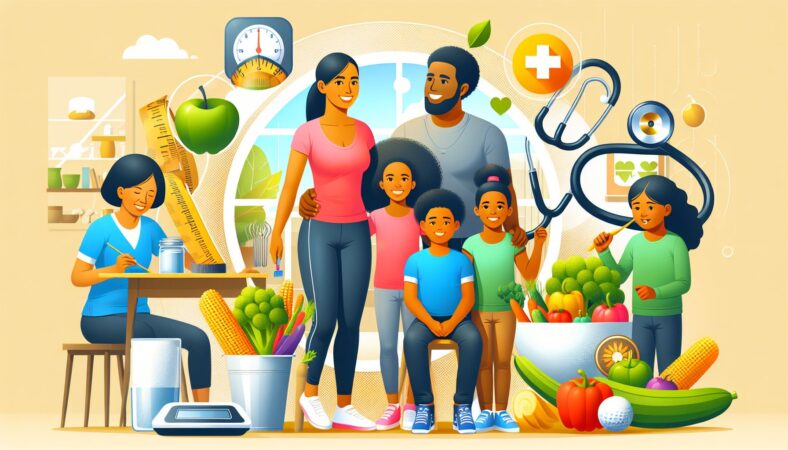
As families, we all want to live healthier lives and take care of our loved ones in the best way possible. One of the key aspects of achieving this is by focusing on family healthcare. By prioritizing preventive care and making healthy lifestyle choices, we can work towards living longer, happier, and more fulfilling lives together. In this article, we will explore some important aspects of family healthcare, with a specific focus on cancer prevention, to help families understand how they can work towards a healthier future.
Importance of Family Healthcare
Family healthcare plays a crucial role in ensuring the overall well-being of the entire family unit. By making regular visits to healthcare professionals, families can stay on top of their health status and address any potential concerns before they escalate into more serious issues. Preventive care, such as vaccinations, screenings, and regular health check-ups, can help detect health problems early on and improve the chances of successful treatment.
In addition to preventive care, making healthy lifestyle choices as a family can also significantly impact your overall health and well-being. Eating a balanced diet, staying physically active, and maintaining a healthy weight are all important factors in reducing the risk of chronic diseases such as cancer, heart disease, and diabetes. By working together as a family to prioritize these aspects of healthy living, you can create a supportive environment that promotes overall well-being.
Cancer Prevention for Families
Cancer is a disease that can affect anyone, regardless of age, gender, or lifestyle. However, there are certain factors that can increase the risk of developing cancer, such as smoking, excessive alcohol consumption, poor diet, and lack of physical activity. By making positive changes to your lifestyle as a family, you can reduce your risk of developing certain types of cancer and improve your overall health and well-being.
One of the most important steps you can take to prevent cancer as a family is to quit smoking. Smoking is a leading cause of many different types of cancer, including lung, throat, and bladder cancer. By quitting smoking and avoiding exposure to secondhand smoke, you can significantly reduce your risk of developing cancer and improve your overall health.
In addition to quitting smoking, maintaining a healthy diet and staying physically active are also important in cancer prevention. A diet rich in fruits, vegetables, whole grains, and lean proteins can help reduce the risk of certain types of cancer, while regular physical activity can help maintain a healthy weight and reduce the risk of developing obesity-related cancers.
Regular screenings and check-ups are also important in cancer prevention. By staying up to date with recommended screenings, such as mammograms, Pap smears, and colonoscopies, you can detect cancer at an early stage when it is most treatable. Talk to your healthcare provider about the recommended screenings for your age, gender, and risk factors, and make sure to schedule them regularly.
Living Healthier Lives Together
By making family healthcare a priority and focusing on cancer prevention, families can work towards living healthier lives together. By making healthy lifestyle choices, staying up to date with preventive care, and making positive changes to your everyday routines, you can reduce your risk of developing cancer and other chronic diseases, and improve your overall health and well-being.
Remember, it’s never too late to start making healthier choices as a family. By working together, supporting each other, and setting positive examples for your loved ones, you can create a healthy and supportive environment that promotes well-being for all. Talk to your healthcare provider about ways you can improve your family’s health and well-being, and start making positive changes today for a healthier tomorrow. By prioritizing family healthcare and cancer prevention, you can work towards living longer, happier, and healthier lives together.