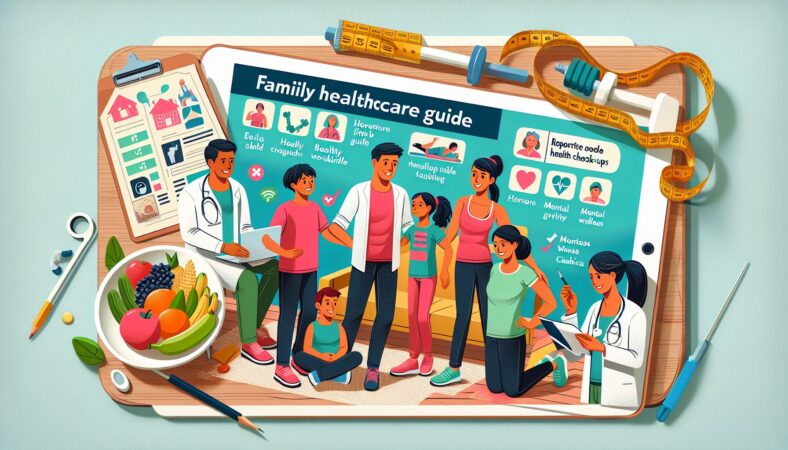
As we navigate through our day-to-day responsibilities, it can often be easy to overlook one of the most important aspects of our lives: our health. In particular, family healthcare is crucial in ensuring that everyone in the family is living their best, healthiest life. By taking proactive steps to prioritize family healthcare and focusing on cancer prevention, families can significantly reduce their risk of developing serious health issues and lead happier, healthier lives together.
Importance of Family Healthcare
Family healthcare encompasses a wide range of practices, from regular check-ups and vaccinations to healthy lifestyle choices and disease prevention. By fostering a culture of health and wellness within the family unit, individuals can feel supported in their efforts to prioritize their well-being. Additionally, family healthcare encourages open communication about health concerns and helps to create a sense of unity and mutual support among family members.
One of the key benefits of prioritizing family healthcare is the prevention of serious health issues, such as cancer. Cancer prevention is a crucial aspect of family healthcare, as many cancers are preventable through lifestyle changes and early detection. By educating themselves on cancer prevention strategies and implementing them into their daily lives, families can significantly reduce their risk of developing cancer and other chronic diseases.
Tips for Living Healthier Lives
To help families understand how to live healthier lives, here are some practical tips that can easily be incorporated into their daily routines:
-
Eat a balanced diet: Encourage family members to eat a variety of fruits, vegetables, whole grains, and lean proteins to ensure they are getting all the necessary nutrients for optimal health. Limiting processed foods and sugary drinks can also help reduce the risk of obesity and related health issues.
-
Stay active: Regular physical activity is essential for maintaining a healthy weight and reducing the risk of chronic diseases. Encourage family members to engage in physical activities they enjoy, such as walking, swimming, or biking, for at least 30 minutes a day.
-
Get regular check-ups: Schedule regular check-ups with a healthcare provider for each family member to monitor their health and catch any potential issues early. This is especially important for cancer prevention, as early detection can significantly improve outcomes.
-
Quit smoking: If any family members smoke, encourage them to quit as soon as possible. Smoking is a leading cause of cancer and other serious health issues, so quitting can have a significant impact on overall health.
-
Limit alcohol consumption: Excessive alcohol consumption is linked to a higher risk of developing certain types of cancer, so it’s important to limit intake and drink in moderation.
By incorporating these simple tips into their daily lives, families can take proactive steps towards living healthier lives and reducing their risk of developing serious health issues.
Creating a Culture of Health and Wellness
In addition to implementing healthy lifestyle choices, it’s essential to create a culture of health and wellness within the family unit. This involves open communication about health concerns, supporting each other in making healthy choices, and prioritizing self-care and well-being. By fostering a supportive environment that values health and wellness, families can work together to overcome challenges and achieve their health goals.
When it comes to cancer prevention, families can also educate themselves on the importance of screening and early detection. Regular screenings for certain types of cancer, such as breast, cervical, and colorectal cancer, can help detect signs of cancer early when treatment is most effective. By staying informed about recommended screenings and encouraging family members to prioritize their health, families can take proactive steps towards cancer prevention.
Conclusion
Family healthcare is an essential aspect of leading a healthy, fulfilling life. By prioritizing health and wellness within the family unit, individuals can support each other in making healthy choices, reducing their risk of developing serious health issues, and promoting overall well-being. Cancer prevention is a crucial component of family healthcare, as many cancers are preventable through lifestyle changes and early detection.
By incorporating healthy lifestyle choices, staying active, getting regular check-ups, and creating a culture of health and wellness, families can take proactive steps towards living healthier lives and reducing their risk of developing cancer and other chronic diseases. By working together to prioritize their health, families can create a strong foundation for a lifetime of well-being and happiness.