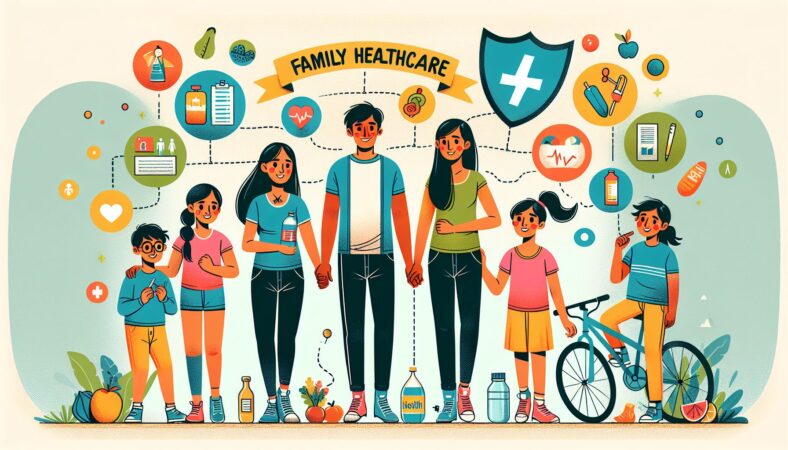
Family healthcare is a vital aspect of ensuring the well-being of both individuals and the family unit as a whole. By focusing on preventive measures and healthy lifestyle choices, families can proactively work towards maintaining good health and preventing various illnesses, including cancer. In this article, we will discuss the significance of family healthcare and provide tips on how families can live healthier lives.
Importance of Family Healthcare
Family healthcare involves regular check-ups, vaccinations, screenings, and discussions about lifestyle choices and habits. By prioritizing family healthcare, families can identify and address health issues early on, reducing the risk of developing more serious conditions. Additionally, familial support and encouragement can motivate individuals to make healthier choices and maintain a positive attitude towards their well-being.
When it comes to cancer prevention, family healthcare plays a crucial role in identifying risk factors and taking necessary precautions. By understanding the importance of maintaining a healthy lifestyle, families can reduce the risk of developing cancer and other chronic diseases. Regular screenings and early detection are also essential in ensuring timely treatment and better outcomes.
Tips for Living Healthier Lives
-
Maintain a Balanced Diet: Eating a variety of fruits, vegetables, whole grains, and lean proteins can help prevent obesity and reduce the risk of developing cancer and other chronic diseases. Avoiding processed and sugary foods is also recommended for overall health.
-
Stay Active: Regular physical activity is essential for maintaining a healthy weight, reducing stress, and improving overall well-being. Encouraging family members to engage in physical activities together can promote bonding and create a supportive environment for staying active.
-
Get Regular Check-ups: Routine check-ups with healthcare providers can help monitor overall health and detect any potential issues early on. It is essential to schedule regular screenings for cancer and other diseases as recommended by healthcare professionals.
-
Avoid Harmful Substances: Smoking, excessive alcohol consumption, and exposure to harmful chemicals are known risk factors for various cancers and health conditions. Encouraging family members to avoid these substances can significantly reduce the risk of developing serious illnesses.
-
Prioritize Mental Health: Mental health is just as important as physical health in maintaining overall well-being. Encouraging open discussions about emotions, seeking support when needed, and practicing stress-reducing activities can help promote mental health within the family.
-
Practice Sun Safety: Protecting the skin from harmful UV rays is essential in preventing skin cancer. Encourage family members to wear sunscreen, protective clothing, and seek shade during peak sun hours to reduce the risk of skin damage.
-
Be Mindful of Genetic Factors: Some cancers have a genetic component, making it essential to be aware of family history and genetic predispositions. Consulting with healthcare providers and undergoing genetic testing can help identify potential risks and take necessary precautions.
Conclusion
Family healthcare is a vital component in promoting overall well-being and preventing various illnesses, including cancer. By adopting healthy lifestyle choices, staying active, getting regular check-ups, and prioritizing mental health, families can proactively work towards living healthier lives. It is essential to educate family members about the importance of preventive measures and encourage open communication about health concerns. By taking a proactive approach to family healthcare, individuals can reduce the risk of developing serious illnesses and improve their quality of life.