Page 7 of 11

Promoting Family Healthcare: A Guide to Living Healthier Lives

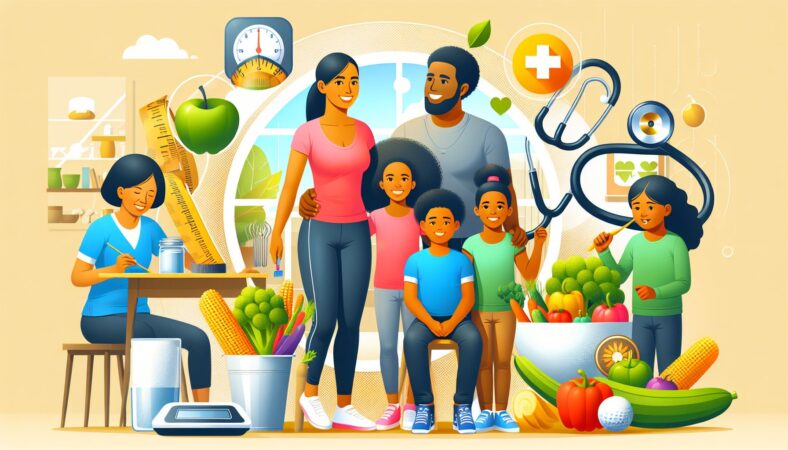
As modern life becomes increasingly hectic and stress levels rise, it is more important than ever for families to prioritize their health and well-being. Family healthcare is not just about treating illnesses; it is about taking proactive steps to prevent them in the first place. By making simple changes to your lifestyle and incorporating healthy habits into your routine, you can ensure that your family stays healthy and happy for years to come.

Importance of Family Healthcare

Family healthcare encompasses a wide range of health services, including preventive care, routine check-ups, and treatment for illnesses and injuries. By making regular visits to a healthcare provider, families can catch potential health issues early on and address them before they become more serious. This proactive approach to healthcare can lead to better health outcomes and lower healthcare costs in the long run.

One important aspect of family healthcare is cancer prevention. Cancer is a leading cause of death worldwide, and many cases of cancer can be prevented by making healthy lifestyle choices. By maintaining a healthy weight, eating a balanced diet, exercising regularly, and avoiding tobacco and excessive alcohol consumption, families can significantly reduce their risk of developing certain types of cancer.

Tips for Living Healthier Lives

Here are some practical tips for families looking to live healthier lives and reduce their risk of cancer and other chronic diseases:

  1. Eat a Balanced Diet: Fill your plates with a variety of fruits, vegetables, whole grains, and lean proteins. Limit your intake of processed foods, sugary drinks, and high-fat foods.

  2. Stay Active: Aim for at least 150 minutes of moderate-intensity exercise per week, such as brisk walking, swimming, or cycling. Find activities that the whole family enjoys, such as going for a hike or playing a game of soccer in the park.

  3. Maintain a Healthy Weight: Being overweight or obese increases the risk of developing cancer, heart disease, and other chronic conditions. Focus on achieving a healthy weight through a combination of diet and exercise.

  4. Get Screened Regularly: Screenings for certain cancers, such as breast, colorectal, and cervical cancer, can help detect cancer early when treatment is most effective. Talk to your healthcare provider about the recommended screening guidelines for your family.

  5. Avoid Tobacco and Limit Alcohol: Smoking is the leading cause of preventable cancer deaths, so it is important to avoid tobacco products altogether. If you drink alcohol, do so in moderation and be mindful of the recommended limits.

  6. Practice Sun Safety: Protect your skin from harmful UV rays by wearing sunscreen, sunglasses, and protective clothing when spending time outdoors. Avoid tanning beds, which can increase the risk of skin cancer.

Incorporating Healthy Habits into Your Routine

Making healthy lifestyle changes can feel overwhelming at first, but small steps can lead to big improvements in your family’s health over time. Here are some practical ways to incorporate healthy habits into your daily routine:

  • Meal Planning: Plan your meals ahead of time to ensure that you are eating balanced and nutritious meals throughout the week. Get the whole family involved in meal prep and cooking to make healthy eating a fun and collaborative experience.

  • Family Fitness: Schedule regular family workouts or outdoor activities to stay active together. Whether it’s going for a walk after dinner or playing a game of tag in the backyard, finding ways to move as a family can strengthen your bond and improve your health.

  • Mindful Eating: Pay attention to your hunger cues and practice mindful eating by savoring each bite and listening to your body’s signals of fullness. Avoid eating in front of screens or while distracted, as this can lead to overeating.

  • Healthy Sleep Habits: Aim for 7-9 hours of quality sleep each night, as adequate rest is essential for overall health and well-being. Create a relaxing bedtime routine for the whole family, such as reading a book or taking a warm bath before bed.

Conclusion

Promoting family healthcare is essential for living healthier lives and preventing chronic diseases such as cancer. By prioritizing healthy habits such as eating a balanced diet, staying active, and getting regular screenings, families can reduce their risk of developing certain types of cancer and other health conditions. Incorporating these healthy habits into your daily routine can lead to improved overall health and well-being for your family. Remember, small changes can make a big difference in the long run, so start taking steps today to prioritize your family’s health and well-being.
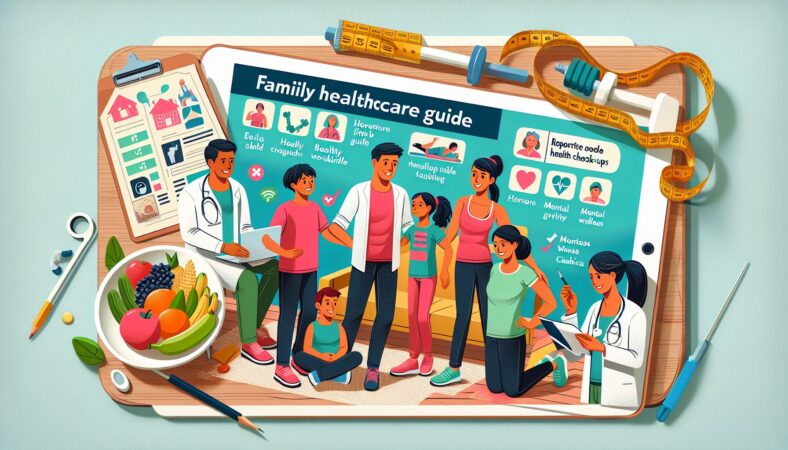
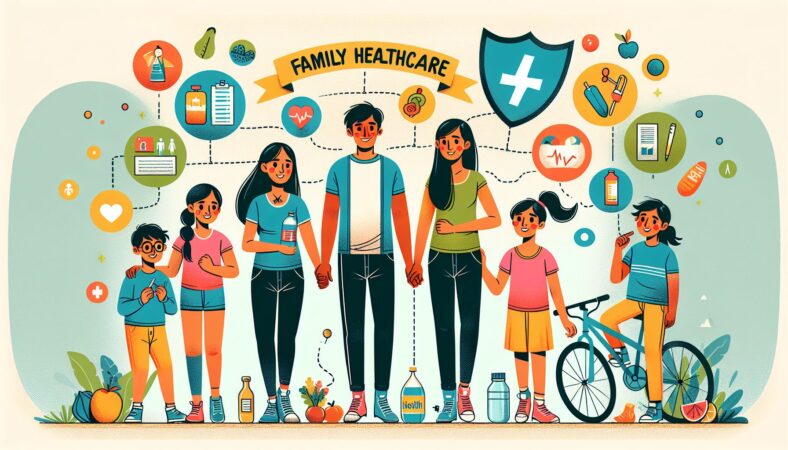
Family Healthcare: A Guide to Living Healthier Lives

As we navigate through our day-to-day responsibilities, it can often be easy to overlook one of the most important aspects of our lives: our health. In particular, family healthcare is crucial in ensuring that everyone in the family is living their best, healthiest life. By taking proactive steps to prioritize family healthcare and focusing on cancer prevention, families can significantly reduce their risk of developing serious health issues and lead happier, healthier lives together.

Importance of Family Healthcare

Family healthcare encompasses a wide range of practices, from regular check-ups and vaccinations to healthy lifestyle choices and disease prevention. By fostering a culture of health and wellness within the family unit, individuals can feel supported in their efforts to prioritize their well-being. Additionally, family healthcare encourages open communication about health concerns and helps to create a sense of unity and mutual support among family members.

One of the key benefits of prioritizing family healthcare is the prevention of serious health issues, such as cancer. Cancer prevention is a crucial aspect of family healthcare, as many cancers are preventable through lifestyle changes and early detection. By educating themselves on cancer prevention strategies and implementing them into their daily lives, families can significantly reduce their risk of developing cancer and other chronic diseases.

Tips for Living Healthier Lives

To help families understand how to live healthier lives, here are some practical tips that can easily be incorporated into their daily routines:

  1. Eat a balanced diet: Encourage family members to eat a variety of fruits, vegetables, whole grains, and lean proteins to ensure they are getting all the necessary nutrients for optimal health. Limiting processed foods and sugary drinks can also help reduce the risk of obesity and related health issues.

  2. Stay active: Regular physical activity is essential for maintaining a healthy weight and reducing the risk of chronic diseases. Encourage family members to engage in physical activities they enjoy, such as walking, swimming, or biking, for at least 30 minutes a day.

  3. Get regular check-ups: Schedule regular check-ups with a healthcare provider for each family member to monitor their health and catch any potential issues early. This is especially important for cancer prevention, as early detection can significantly improve outcomes.

  4. Quit smoking: If any family members smoke, encourage them to quit as soon as possible. Smoking is a leading cause of cancer and other serious health issues, so quitting can have a significant impact on overall health.

  5. Limit alcohol consumption: Excessive alcohol consumption is linked to a higher risk of developing certain types of cancer, so it’s important to limit intake and drink in moderation.

By incorporating these simple tips into their daily lives, families can take proactive steps towards living healthier lives and reducing their risk of developing serious health issues.

Creating a Culture of Health and Wellness

In addition to implementing healthy lifestyle choices, it’s essential to create a culture of health and wellness within the family unit. This involves open communication about health concerns, supporting each other in making healthy choices, and prioritizing self-care and well-being. By fostering a supportive environment that values health and wellness, families can work together to overcome challenges and achieve their health goals.

When it comes to cancer prevention, families can also educate themselves on the importance of screening and early detection. Regular screenings for certain types of cancer, such as breast, cervical, and colorectal cancer, can help detect signs of cancer early when treatment is most effective. By staying informed about recommended screenings and encouraging family members to prioritize their health, families can take proactive steps towards cancer prevention.

Conclusion

Family healthcare is an essential aspect of leading a healthy, fulfilling life. By prioritizing health and wellness within the family unit, individuals can support each other in making healthy choices, reducing their risk of developing serious health issues, and promoting overall well-being. Cancer prevention is a crucial component of family healthcare, as many cancers are preventable through lifestyle changes and early detection.

By incorporating healthy lifestyle choices, staying active, getting regular check-ups, and creating a culture of health and wellness, families can take proactive steps towards living healthier lives and reducing their risk of developing cancer and other chronic diseases. By working together to prioritize their health, families can create a strong foundation for a lifetime of well-being and happiness.

The Importance of Family Healthcare: How to Live Healthier Lives

Family healthcare is a vital aspect of ensuring the well-being of both individuals and the family unit as a whole. By focusing on preventive measures and healthy lifestyle choices, families can proactively work towards maintaining good health and preventing various illnesses, including cancer. In this article, we will discuss the significance of family healthcare and provide tips on how families can live healthier lives.

Importance of Family Healthcare

Family healthcare involves regular check-ups, vaccinations, screenings, and discussions about lifestyle choices and habits. By prioritizing family healthcare, families can identify and address health issues early on, reducing the risk of developing more serious conditions. Additionally, familial support and encouragement can motivate individuals to make healthier choices and maintain a positive attitude towards their well-being.

When it comes to cancer prevention, family healthcare plays a crucial role in identifying risk factors and taking necessary precautions. By understanding the importance of maintaining a healthy lifestyle, families can reduce the risk of developing cancer and other chronic diseases. Regular screenings and early detection are also essential in ensuring timely treatment and better outcomes.

Tips for Living Healthier Lives

  1. Maintain a Balanced Diet: Eating a variety of fruits, vegetables, whole grains, and lean proteins can help prevent obesity and reduce the risk of developing cancer and other chronic diseases. Avoiding processed and sugary foods is also recommended for overall health.

  2. Stay Active: Regular physical activity is essential for maintaining a healthy weight, reducing stress, and improving overall well-being. Encouraging family members to engage in physical activities together can promote bonding and create a supportive environment for staying active.

  3. Get Regular Check-ups: Routine check-ups with healthcare providers can help monitor overall health and detect any potential issues early on. It is essential to schedule regular screenings for cancer and other diseases as recommended by healthcare professionals.

  4. Avoid Harmful Substances: Smoking, excessive alcohol consumption, and exposure to harmful chemicals are known risk factors for various cancers and health conditions. Encouraging family members to avoid these substances can significantly reduce the risk of developing serious illnesses.

  5. Prioritize Mental Health: Mental health is just as important as physical health in maintaining overall well-being. Encouraging open discussions about emotions, seeking support when needed, and practicing stress-reducing activities can help promote mental health within the family.

  6. Practice Sun Safety: Protecting the skin from harmful UV rays is essential in preventing skin cancer. Encourage family members to wear sunscreen, protective clothing, and seek shade during peak sun hours to reduce the risk of skin damage.

  7. Be Mindful of Genetic Factors: Some cancers have a genetic component, making it essential to be aware of family history and genetic predispositions. Consulting with healthcare providers and undergoing genetic testing can help identify potential risks and take necessary precautions.

Conclusion

Family healthcare is a vital component in promoting overall well-being and preventing various illnesses, including cancer. By adopting healthy lifestyle choices, staying active, getting regular check-ups, and prioritizing mental health, families can proactively work towards living healthier lives. It is essential to educate family members about the importance of preventive measures and encourage open communication about health concerns. By taking a proactive approach to family healthcare, individuals can reduce the risk of developing serious illnesses and improve their quality of life.

Understanding Family Healthcare: Living Healthier Lives Together

As the saying goes, “health is wealth,” and there is no better investment than taking care of your family’s well-being. In today’s fast-paced world, it can be easy to overlook the importance of family healthcare. However, by prioritizing healthy living and preventive measures, families can foster a supportive environment that promotes overall well-being. In this article, we will explore the key components of family healthcare and how families can work together to live healthier lives.

Importance of Family Healthcare

Family healthcare encompasses a wide range of services and practices aimed at promoting the health and well-being of all family members. From routine check-ups to managing chronic conditions, family healthcare plays a crucial role in preventing illness and promoting a healthy lifestyle. By taking a proactive approach to healthcare, families can reduce the risk of developing serious health issues and improve their quality of life.

One of the key aspects of family healthcare is cancer prevention. Cancer is a leading cause of death worldwide, and many cancers are preventable through lifestyle changes and early detection. By adopting healthy habits such as eating a balanced diet, staying physically active, and avoiding tobacco and excessive alcohol consumption, families can significantly reduce their risk of developing cancer. Additionally, regular screenings and check-ups can help detect cancer at an early stage when it is more treatable.

Tips for Living Healthier Lives

Living a healthy lifestyle is essential for maintaining overall well-being and preventing chronic diseases. Here are some tips for families looking to live healthier lives together:

  1. Eat a Balanced Diet: A diet rich in fruits, vegetables, whole grains, and lean proteins can help prevent obesity, heart disease, and other chronic conditions. Encourage family meals and involve children in meal planning and preparation to instill healthy eating habits from a young age.

  2. Stay Active: Regular physical activity is essential for maintaining a healthy weight, reducing stress, and improving overall fitness. Find activities that the whole family enjoys, such as bike rides, hikes, or sports, and make them a regular part of your routine.

  3. Avoid Harmful Habits: Smoking, excessive alcohol consumption, and drug use can have serious health consequences. Setting a good example for your children by avoiding these habits can help prevent them from developing unhealthy behaviors in the future.

  4. Get Regular Check-Ups: Routine check-ups with a healthcare provider are essential for monitoring your family’s health and detecting any issues early on. Make sure everyone in the family stays up to date on vaccinations and screenings for conditions such as cancer, diabetes, and high blood pressure.

  5. Manage Stress: Stress can have a negative impact on both physical and mental health. Encourage open communication within the family, practice relaxation techniques such as meditation or deep breathing, and find healthy outlets for stress relief.

Creating a Supportive Environment

Living a healthy lifestyle is much easier when you have the support of your family. By working together to make positive changes, families can create a supportive environment that promotes health and well-being. Here are some tips for creating a family culture of health:

  1. Lead by Example: Children learn by example, so it’s important for parents to model healthy behaviors such as regular exercise, nutritious eating, and self-care. By demonstrating the importance of health and wellness, you can inspire your family to make positive choices as well.

  2. Communicate Openly: Encourage open communication within the family about health concerns, goals, and challenges. By talking openly about your own health and listening to each other’s needs, you can create a strong support system for making positive changes.

  3. Set Realistic Goals: Start small and set achievable goals for your family’s health and wellness. Whether it’s trying a new healthy recipe each week or committing to a family walk after dinner, small changes can add up to significant improvements in the long run.

  4. Celebrate Success: Acknowledge and celebrate the progress your family makes towards living a healthier lifestyle. Whether it’s reaching a fitness milestone, making a positive dietary change, or overcoming a health challenge, recognizing and celebrating achievements can help motivate your family to keep moving forward.

Conclusion

Family healthcare is a vital component of promoting health and well-being for all family members. By prioritizing preventive measures such as cancer prevention, healthy eating, regular physical activity, and open communication, families can create a supportive environment that fosters a culture of health and wellness. By working together to make positive changes and supporting each other along the way, families can live healthier lives and reduce their risk of chronic diseases. Remember, health is a journey, not a destination, and by taking small steps each day, your family can build a foundation for a lifetime of well-being.

Understanding Family Healthcare: A Guide to Living Healthier Lives

As families continue to navigate the complexities of modern life, one of the most important aspects they must prioritize is their healthcare. Ensuring the well-being and vitality of each family member is crucial in maintaining a happy and fulfilling life. One key area that families should focus on is cancer prevention, as it is a leading cause of death worldwide. By understanding the importance of family healthcare and implementing strategies to promote a healthier lifestyle, families can significantly reduce their risk of developing cancer and other chronic illnesses.

The Importance of Family Healthcare

Family healthcare encompasses a range of medical services and practices that are aimed at promoting the health and well-being of all family members. This includes routine check-ups, vaccinations, screenings, and lifestyle counseling. By establishing a strong foundation of healthcare within the family unit, individuals are more likely to adopt healthy habits and prioritize their overall well-being. Investing in family healthcare not only benefits the individual, but it also strengthens the family as a whole.

Cancer Prevention Strategies for Families

Cancer is a multifaceted disease that can affect people of all ages and backgrounds. While genetics play a role in cancer risk, lifestyle factors such as diet, exercise, and tobacco use also significantly impact an individual’s likelihood of developing the disease. By implementing the following cancer prevention strategies, families can reduce their risk and lead healthier lives:

  1. Maintain a Healthy Diet: Eating a diet rich in fruits, vegetables, whole grains, and lean proteins can help prevent cancer. Limiting the intake of processed foods, red meat, and sugary beverages is also crucial in reducing cancer risk.

  2. Stay Active: Regular physical activity not only helps maintain a healthy weight but also reduces the risk of certain types of cancer. Encouraging family members to engage in physical activities together, such as walks, bike rides, or sports, can promote a culture of fitness within the family.

  3. Avoid Tobacco and Alcohol: Tobacco use is a leading cause of cancer worldwide, particularly lung, throat, and mouth cancers. Additionally, excessive alcohol consumption has been linked to an increased risk of various cancers. By educating family members about the dangers of tobacco and alcohol, families can reduce their risk of developing cancer.

  4. Screening and Early Detection: Regular screenings for cancers such as breast, cervical, and colon cancer can help detect the disease in its early stages when treatment is most effective. Encouraging family members to undergo routine screenings can significantly reduce cancer mortality rates.

  5. Sun Protection: Skin cancer is one of the most common types of cancer, and exposure to ultraviolet (UV) radiation from the sun is a leading cause. Encouraging family members to wear sunscreen, protective clothing, and seek shade during peak sun hours can greatly reduce the risk of developing skin cancer.

Implementing Family Healthcare Practices

Incorporating family healthcare practices into daily life can be challenging, but with dedication and commitment, it is entirely achievable. Some key strategies for promoting family healthcare include:

  1. Regular Doctor Visits: Scheduling routine check-ups for all family members can help identify any potential health issues early on. By establishing a relationship with a primary care physician, families can receive personalized care and guidance on maintaining their health.

  2. Open Communication: Encouraging open communication within the family about healthcare concerns and goals is essential in promoting overall well-being. Discussing healthy lifestyle choices, setting achievable health goals, and supporting one another in maintaining healthy habits can foster a culture of wellness within the family.

  3. Education and Awareness: Staying informed about current health trends, preventative measures, and disease risks is crucial in making informed decisions about healthcare. Utilizing reputable sources such as government health agencies, medical professionals, and research institutions can help families stay up-to-date on the latest health information.

  4. Lead by Example: As parents and caregivers, setting a positive example for children is essential in promoting healthy habits. By prioritizing your own health and wellness, you inspire and motivate family members to do the same.

Conclusion

Family healthcare plays a critical role in promoting the overall well-being of all family members. By prioritizing preventive measures such as cancer prevention strategies, regular screenings, and healthy lifestyle choices, families can significantly reduce their risk of developing chronic illnesses. Investing in family healthcare not only benefits the individual but also strengthens the family unit as a whole. By implementing these practices and fostering a culture of health and wellness, families can lead happier, healthier lives for years to come.

Family Healthcare: A Guide to Living Healthier Lives

Ensuring the health and well-being of your family is of utmost importance. By promoting healthy lifestyle choices and preventive measures, families can reduce the risk of developing chronic diseases such as cancer. In this article, we will discuss how to incorporate family healthcare into your daily routines to help you and your loved ones live healthier lives.

Introduction to Family Healthcare

Family healthcare encompasses a range of medical services and preventive measures aimed at promoting the well-being of everyone in your family. This includes routine check-ups, vaccinations, screenings, and lifestyle modification strategies to prevent health problems before they arise. By taking a proactive approach to your family’s health, you can help detect and address any potential issues early on, effectively reducing the risk of developing serious illnesses.

Importance of Cancer Prevention

Cancer is a leading cause of death worldwide, with millions of new cases diagnosed each year. While not all cancers are preventable, there are steps you can take to reduce your risk of developing the disease. By maintaining a healthy lifestyle, staying active, eating a balanced diet, avoiding tobacco products, and limiting alcohol consumption, you can significantly lower your chances of developing various forms of cancer. Regular screenings and early detection can also play a crucial role in preventing cancer or catching it in its early stages when treatment is most effective.

Tips for Living Healthier Lives

  1. Healthy Eating: Encourage your family to eat a balanced diet rich in fruits, vegetables, whole grains, and lean proteins. Limit the intake of processed foods, sugary drinks, and high-fat snacks. By making nutritious food choices, you can fuel your body with essential nutrients and reduce the risk of developing obesity, heart disease, and certain types of cancer.

  2. Regular Exercise: Physical activity is essential for maintaining good health and reducing the risk of chronic diseases. Encourage your family to engage in regular exercise, whether it’s going for a walk, playing a sport, or participating in a fitness class. Aim for at least 30 minutes of moderate-intensity exercise most days of the week to reap the benefits of a healthy lifestyle.

  3. Stress Management: Stress can take a toll on both your physical and mental health. Teach your family members coping strategies to manage stress effectively, such as deep breathing, meditation, yoga, or spending time outdoors. By reducing stress levels, you can improve your overall well-being and lower the risk of developing stress-related health problems.

  4. Regular Check-ups: Schedule regular check-ups with your family doctor to monitor everyone’s health and detect any potential issues early on. This includes screenings for conditions such as high blood pressure, cholesterol levels, diabetes, and cancer. By staying up-to-date on preventive care, you can take proactive steps to maintain good health and address any concerns promptly.

  5. Avoiding Harmful Habits: Encourage your family members to avoid harmful habits such as smoking, excessive drinking, and drug abuse. These behaviors can increase the risk of developing various health problems, including cancer. By making healthy choices and setting a positive example for your loved ones, you can promote a healthy lifestyle and reduce the risk of chronic diseases.

Conclusion

Family healthcare plays a crucial role in promoting the well-being of every member of your family. By incorporating preventive measures and healthy lifestyle choices into your daily routines, you can reduce the risk of developing chronic diseases such as cancer. Encourage your loved ones to eat a balanced diet, exercise regularly, manage stress effectively, schedule regular check-ups, and avoid harmful habits to live healthier lives. By taking proactive steps to prioritize your family’s health, you can create a foundation for a lifetime of well-being and happiness.

Understanding Family Healthcare: Living Healthier Lives Together

As families, we all want to live healthier lives and take care of our loved ones in the best way possible. One of the key aspects of achieving this is by focusing on family healthcare. By prioritizing preventive care and making healthy lifestyle choices, we can work towards living longer, happier, and more fulfilling lives together. In this article, we will explore some important aspects of family healthcare, with a specific focus on cancer prevention, to help families understand how they can work towards a healthier future.

Importance of Family Healthcare

Family healthcare plays a crucial role in ensuring the overall well-being of the entire family unit. By making regular visits to healthcare professionals, families can stay on top of their health status and address any potential concerns before they escalate into more serious issues. Preventive care, such as vaccinations, screenings, and regular health check-ups, can help detect health problems early on and improve the chances of successful treatment.

In addition to preventive care, making healthy lifestyle choices as a family can also significantly impact your overall health and well-being. Eating a balanced diet, staying physically active, and maintaining a healthy weight are all important factors in reducing the risk of chronic diseases such as cancer, heart disease, and diabetes. By working together as a family to prioritize these aspects of healthy living, you can create a supportive environment that promotes overall well-being.

Cancer Prevention for Families

Cancer is a disease that can affect anyone, regardless of age, gender, or lifestyle. However, there are certain factors that can increase the risk of developing cancer, such as smoking, excessive alcohol consumption, poor diet, and lack of physical activity. By making positive changes to your lifestyle as a family, you can reduce your risk of developing certain types of cancer and improve your overall health and well-being.

One of the most important steps you can take to prevent cancer as a family is to quit smoking. Smoking is a leading cause of many different types of cancer, including lung, throat, and bladder cancer. By quitting smoking and avoiding exposure to secondhand smoke, you can significantly reduce your risk of developing cancer and improve your overall health.

In addition to quitting smoking, maintaining a healthy diet and staying physically active are also important in cancer prevention. A diet rich in fruits, vegetables, whole grains, and lean proteins can help reduce the risk of certain types of cancer, while regular physical activity can help maintain a healthy weight and reduce the risk of developing obesity-related cancers.

Regular screenings and check-ups are also important in cancer prevention. By staying up to date with recommended screenings, such as mammograms, Pap smears, and colonoscopies, you can detect cancer at an early stage when it is most treatable. Talk to your healthcare provider about the recommended screenings for your age, gender, and risk factors, and make sure to schedule them regularly.

Living Healthier Lives Together

By making family healthcare a priority and focusing on cancer prevention, families can work towards living healthier lives together. By making healthy lifestyle choices, staying up to date with preventive care, and making positive changes to your everyday routines, you can reduce your risk of developing cancer and other chronic diseases, and improve your overall health and well-being.

Remember, it’s never too late to start making healthier choices as a family. By working together, supporting each other, and setting positive examples for your loved ones, you can create a healthy and supportive environment that promotes well-being for all. Talk to your healthcare provider about ways you can improve your family’s health and well-being, and start making positive changes today for a healthier tomorrow. By prioritizing family healthcare and cancer prevention, you can work towards living longer, happier, and healthier lives together.

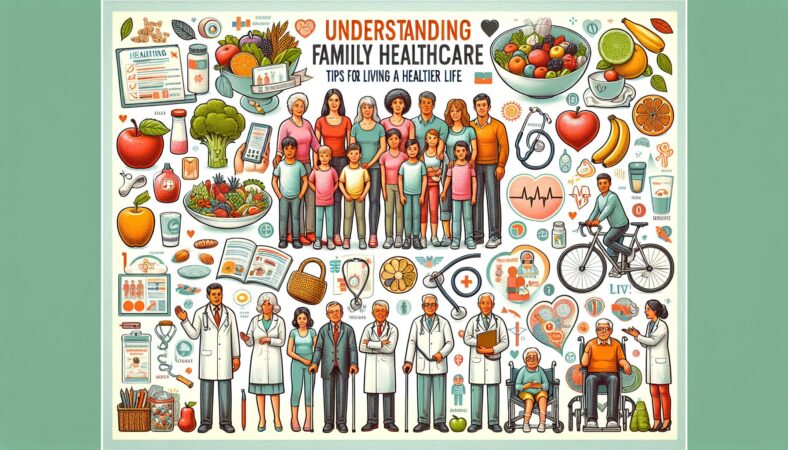
Understanding Family Healthcare: Tips for Living a Healthier Life

In today’s fast-paced world, it can be easy to overlook the importance of family healthcare. However, taking care of your family’s health is essential for ensuring a happy and fulfilling life. One of the most critical aspects of family healthcare is cancer prevention. Cancer can affect anyone, regardless of age, gender, or lifestyle choices. By taking proactive steps to prevent cancer and promote overall health, you can help your family live longer and happier lives.

Importance of Family Healthcare

Family healthcare encompasses a wide range of services aimed at promoting and maintaining the health of all family members. From regular check-ups and vaccinations to managing chronic conditions and promoting healthy lifestyle choices, family healthcare plays a vital role in keeping your loved ones healthy and happy. By working with healthcare professionals, you can develop personalized plans to address your family’s unique healthcare needs and ensure that everyone receives the care they need to thrive.

Cancer Prevention Tips for Families

When it comes to family healthcare, cancer prevention should be a top priority. Cancer is a leading cause of death worldwide, but many cases of cancer can be prevented through lifestyle changes and early detection. Here are some tips for preventing cancer and promoting overall health within your family:

1. Maintain a Healthy Diet

Eating a healthy, balanced diet rich in fruits, vegetables, whole grains, and lean proteins can help reduce your family’s risk of developing cancer. Avoiding processed foods, sugary drinks, and excessive amounts of red and processed meats can also help lower cancer risk. Encourage your family to eat a variety of colorful fruits and vegetables, as they contain essential vitamins, minerals, and antioxidants that can help protect against cancer.

2. Stay Active

Regular physical activity is essential for maintaining a healthy weight and reducing the risk of cancer and other chronic diseases. Encourage your family to engage in at least 30 minutes of moderate exercise each day, such as walking, biking, or swimming. Physical activity not only helps prevent cancer but also improves overall health and wellbeing.

3. Avoid Tobacco and Limit Alcohol Consumption

Tobacco use is a leading cause of cancer, so it’s essential to encourage your family members to avoid smoking and tobacco products. Additionally, limiting alcohol consumption can help reduce the risk of developing certain types of cancer, such as liver and breast cancer. By creating a smoke-free and alcohol-aware environment within your family, you can help promote a healthier lifestyle and reduce cancer risk.

4. Get Regular Screenings and Check-ups

Regular screenings and check-ups are essential for detecting cancer at an early stage when treatment is most effective. Talk to your healthcare provider about recommended screenings for your family members based on age, gender, and family history. By staying up to date on screenings and check-ups, you can help catch cancer early and improve the chances of successful treatment.

5. Practice Sun Safety

Skin cancer is one of the most common types of cancer, but it is also one of the most preventable. Encourage your family to practice sun safety by wearing sunscreen, protective clothing, and sunglasses when spending time outdoors. Avoiding tanning beds and seeking shade during peak sun hours can also help reduce the risk of skin cancer.

Conclusion

Family healthcare is essential for promoting the health and wellbeing of your loved ones. By focusing on cancer prevention and adopting healthy lifestyle choices, you can help reduce the risk of cancer and other chronic diseases within your family. Encourage your family members to maintain a healthy diet, stay active, avoid tobacco and limit alcohol consumption, get regular screenings and check-ups, and practice sun safety. By working together to prioritize health and wellness, you can help your family live longer, healthier, and happier lives.

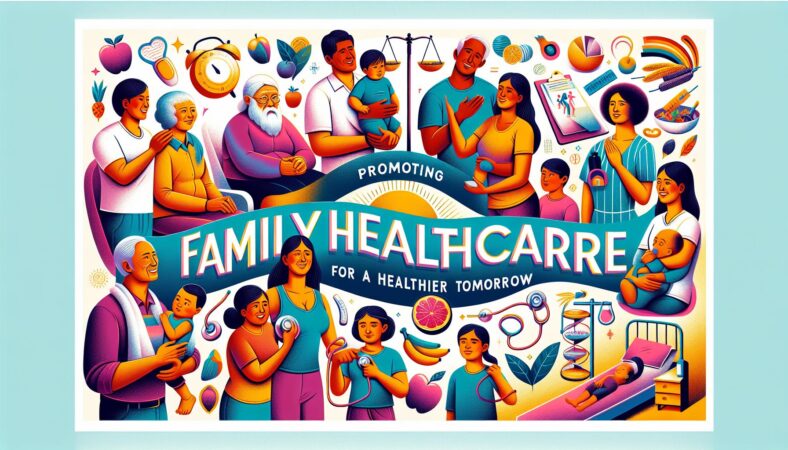
Promoting Family Healthcare for a Healthier Tomorrow

In today’s fast-paced world, it can be challenging to prioritize our health and well-being. However, taking care of our health is crucial not only for ourselves but also for our families. Family healthcare plays a vital role in ensuring that every member of your family leads a healthy and fulfilling life. By taking proactive steps to prevent illness and promote wellness, you can create a strong foundation for a healthier tomorrow.

One of the key components of family healthcare is cancer prevention. Cancer is a pervasive disease that affects millions of individuals each year. However, there are steps that you can take to reduce your risk of developing cancer and protect your family’s health. By incorporating healthy habits into your daily routine, you can minimize your risk of cancer and other chronic diseases.

One of the most effective ways to prevent cancer is by maintaining a healthy lifestyle. This includes eating a balanced diet rich in fruits, vegetables, whole grains, and lean proteins. By fueling your body with nutrient-dense foods, you can boost your immune system and reduce inflammation, which are essential for cancer prevention. Additionally, staying active through regular exercise can help you maintain a healthy weight and reduce your risk of cancer.

Another important aspect of cancer prevention is avoiding harmful substances such as tobacco and excessive alcohol consumption. Tobacco use is a leading cause of cancer and other chronic diseases, so quitting smoking and avoiding secondhand smoke are crucial steps for cancer prevention. Similarly, limiting your alcohol intake can reduce your risk of developing certain types of cancer, such as liver and breast cancer.

In addition to healthy lifestyle habits, it is essential to stay up-to-date with recommended cancer screenings. Regular screenings can help detect cancer at an early stage when treatment is most effective. Depending on your age, gender, and family history, your healthcare provider may recommend screenings such as mammograms, colonoscopies, and skin checks. By scheduling these screenings as recommended, you can take proactive steps to protect your health and prevent cancer.

Beyond cancer prevention, family healthcare involves taking a holistic approach to wellness. This includes addressing both physical and mental health needs for every member of your family. By prioritizing annual check-ups and preventive care, you can catch any potential health issues early and address them before they become more serious.

Mental health is also a crucial component of family healthcare. The demands of everyday life can take a toll on our mental well-being, so it is essential to prioritize self-care and seek help if needed. By destigmatizing mental health issues and promoting open communication within your family, you can create a supportive environment where everyone feels comfortable seeking help when needed.

Family healthcare also involves fostering healthy habits and behaviors in your children from a young age. By modeling healthy eating, exercise, and self-care practices, you can set a positive example for your children to follow. Encouraging your children to get involved in sports, outdoor activities, and other forms of physical exercise can help them develop a lifelong habit of staying active and healthy.

In conclusion, prioritizing family healthcare is essential for promoting a healthier tomorrow for you and your loved ones. By focusing on cancer prevention strategies, maintaining a healthy lifestyle, staying up-to-date with screenings, and addressing both physical and mental health needs, you can create a strong foundation for a lifetime of wellness. By working together as a family to prioritize health and well-being, you can lead by example and inspire each other to live healthier lives. Remember, a healthy family is a happy family!

Transforming Your Family’s Health: Understanding the Basics of Family Healthcare

As a parent, one of the most important aspects of your life is ensuring the health and well-being of your family. Family healthcare is a vital component in achieving this goal, as it focuses on the prevention, diagnosis, and treatment of illnesses and diseases that can affect multiple members of your family. By prioritizing family healthcare, you can help your loved ones live healthier lives and reduce the risk of developing serious conditions such as cancer.

Understanding Family Healthcare

Family healthcare is a comprehensive approach to healthcare that is centered around the individual and their family unit. It focuses on promoting health and well-being, preventing illness and injury, and providing treatment for acute and chronic health conditions. By having a primary care provider who is familiar with the medical history and needs of your family members, you can receive personalized and coordinated care that is tailored to your family’s specific health goals.

Regular check-ups and preventive screenings are essential components of family healthcare, as they allow healthcare providers to detect and address potential health concerns before they become serious. By staying up-to-date on immunizations, screenings, and preventive measures, you can help protect your family from a range of illnesses and diseases, including cancer.

Cancer Prevention for Your Family

Cancer is a leading cause of death worldwide, and it can affect individuals of all ages and backgrounds. While not all cancers are preventable, there are steps you can take to reduce the risk of developing certain types of cancer and improve the chances of early detection and successful treatment. By incorporating cancer prevention strategies into your family’s healthcare routine, you can promote healthy lifestyles and reduce the impact of this devastating disease.

One of the most important ways to prevent cancer is to maintain a healthy lifestyle that includes regular physical activity, a balanced diet, and limited exposure to harmful substances such as tobacco and alcohol. Encouraging your family to adopt healthy habits, such as eating a diet rich in fruits and vegetables, exercising regularly, and avoiding tobacco products, can significantly reduce the risk of developing cancer and other chronic diseases.

In addition to lifestyle factors, cancer prevention also involves regular screenings and early detection measures. By staying current on recommended screenings for breast, cervical, colorectal, and other types of cancer, you can increase the chances of detecting cancer in its earliest stages when it is most treatable. Screening tests can help identify cancerous or precancerous cells before symptoms develop, allowing for prompt treatment and improved outcomes.

Taking Action for Your Family’s Health

As a parent, you play a crucial role in shaping the health and well-being of your family. By prioritizing family healthcare and cancer prevention strategies, you can empower your loved ones to live healthier lives and reduce the risk of developing serious conditions such as cancer. Here are some tips to help you take action for your family’s health:

  1. Schedule regular check-ups: Make sure that each member of your family sees a primary care provider for routine check-ups and preventive screenings. These appointments are vital for monitoring health status, identifying potential issues, and receiving guidance on maintaining a healthy lifestyle.

  2. Promote healthy habits: Encourage your family to engage in regular physical activity, eat a balanced diet, and avoid tobacco and excessive alcohol consumption. By modeling healthy behaviors and creating a supportive environment, you can help your loved ones adopt and maintain positive lifestyle habits.

  3. Stay informed: Educate yourself and your family about the importance of cancer prevention and early detection. Familiarize yourself with the recommended screenings and guidelines for maintaining optimal health, and stay up-to-date on the latest research and developments in healthcare.

  4. Seek support: Make use of resources and support networks to help you navigate the challenges of family healthcare and cancer prevention. Consider joining a support group, connecting with other families facing similar health concerns, or consulting with healthcare providers for guidance and advice.

Conclusion

Family healthcare is a vital component in promoting the health and well-being of your loved ones. By prioritizing preventive care, adopting healthy lifestyle habits, and educating yourself about cancer prevention strategies, you can take proactive steps to safeguard your family’s health and reduce the risk of developing serious conditions such as cancer. Remember, you are your family’s greatest advocate when it comes to healthcare – so take action today to transform your family’s health and well-being for a brighter tomorrow.